
What Is a Commercial Superconducting Quantum Computer and Who Is It For?
2026.02.10 · Blog commercial superconducting quantum computer
Defining a Commercial Superconducting Quantum Computer
What “Commercial” Means in the Context of Quantum Computing
In quantum computing, the term “commercial” does not imply mass-market availability or consumer-level usability. Instead, a commercial superconducting quantum computer refers to a system that has moved beyond experimental prototypes and is offered as a deliverable product or solution. These systems are engineered for repeatable deployment, stable operation, and long-term use by organizations rather than for one-off laboratory experiments.
A commercial superconducting quantum computer is designed to be purchased, installed, operated, and supported under real-world conditions. It comes with defined hardware configurations, standardized software interfaces, documentation, and technical support. This distinguishes it from research-only systems that require constant customization and expert-level intervention to function.
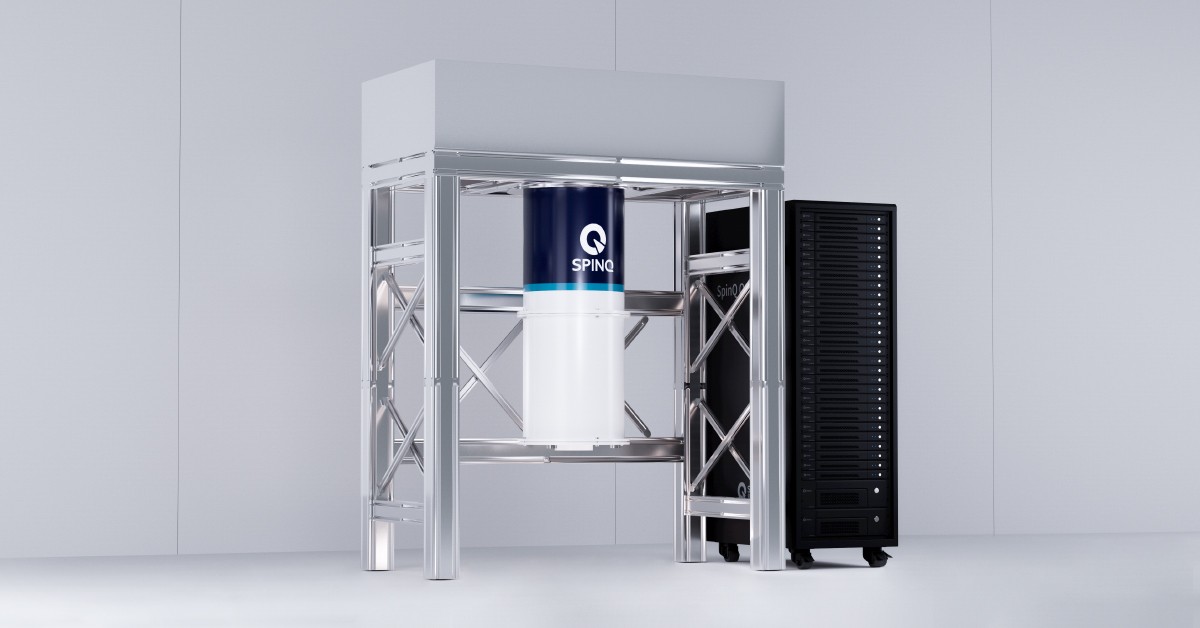
How Commercial Systems Differ from Laboratory Prototypes
Laboratory superconducting quantum computers are often built to test new ideas in physics or device design. They prioritize experimental flexibility over reliability and are usually operated by the same teams that developed them. Commercial systems, by contrast, must function in environments where the end users are not the hardware designers.
Key differences include system integration, reliability, and usability. Commercial superconducting quantum computers emphasize stable performance, predictable behavior, and reproducible results. They are engineered to reduce operational complexity and to support users whose primary goal is research, education, or application exploration rather than hardware development itself.
Key Characteristics of a Commercial-Grade Superconducting Quantum Computer
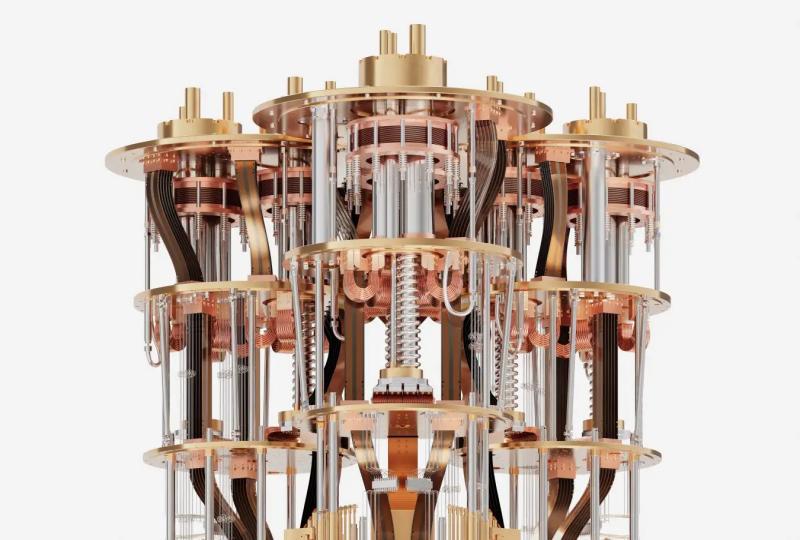
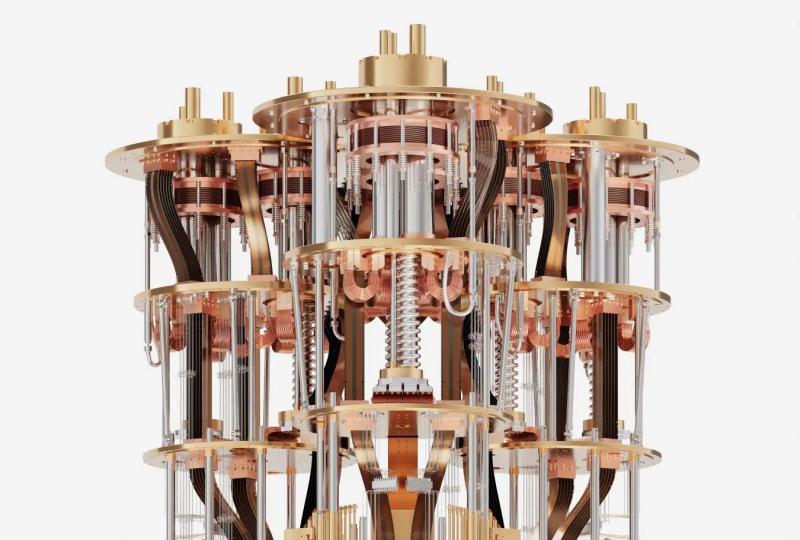
A commercial superconducting quantum computer typically includes an integrated quantum processing unit, control and measurement electronics, cryogenic infrastructure, and a software stack that supports programming and system operation. These components are delivered as a cohesive system rather than as loosely connected subsystems.
Commercial systems are also defined by structured delivery, including installation, calibration, training, and ongoing support. This full lifecycle approach is essential for organizations investing in quantum computing as a long-term capability rather than as a short-term experiment.
Core Components of a Commercial Superconducting Quantum Computer
Superconducting Quantum Processing Units for Commercial Use
At the core of a commercial superconducting quantum computer is the quantum processing unit, which hosts the superconducting qubits. For commercial deployment, these chips must demonstrate consistent performance and reliability. Uniformity across qubits and predictable behavior are more important than experimental novelty.
Commercial quantum processing units are typically produced using controlled fabrication processes that prioritize yield and stability. This enables vendors to deliver systems with known specifications and performance characteristics suitable for repeated deployments.
.jpg)
Quantum Control and Measurement Systems
Control and measurement systems translate classical instructions into quantum operations and read out the results. In a commercial superconducting quantum computer, these systems are engineered for scalability, precision, and ease of use. Automation and software-driven calibration are essential to reduce operational overhead.
Integrated control systems allow users to focus on quantum algorithms and experiments rather than low-level signal tuning. This abstraction is a defining feature of commercial quantum computing platforms.
Cryogenic Infrastructure and System Reliability
Superconducting quantum computers require ultra-low temperatures to operate. Commercial systems integrate cryogenic infrastructure that supports stable, long-term operation. Reliability is critical, as unplanned downtime can disrupt research schedules and operational planning.
Commercial cryogenic solutions are selected and configured to balance performance with maintainability. This makes them suitable for deployment in research institutions, enterprise labs, and government facilities.
Integrated Software and Programming Environment
Software plays a central role in commercial superconducting quantum computers. A complete programming environment allows users to design quantum circuits, run experiments, and analyze results through standardized interfaces. Compatibility with common programming languages lowers the barrier to entry for new users.
Commercial platforms emphasize usability, documentation, and ongoing updates. This ensures that the system remains valuable as quantum software ecosystems evolve.
Who Uses Commercial Superconducting Quantum Computers Today
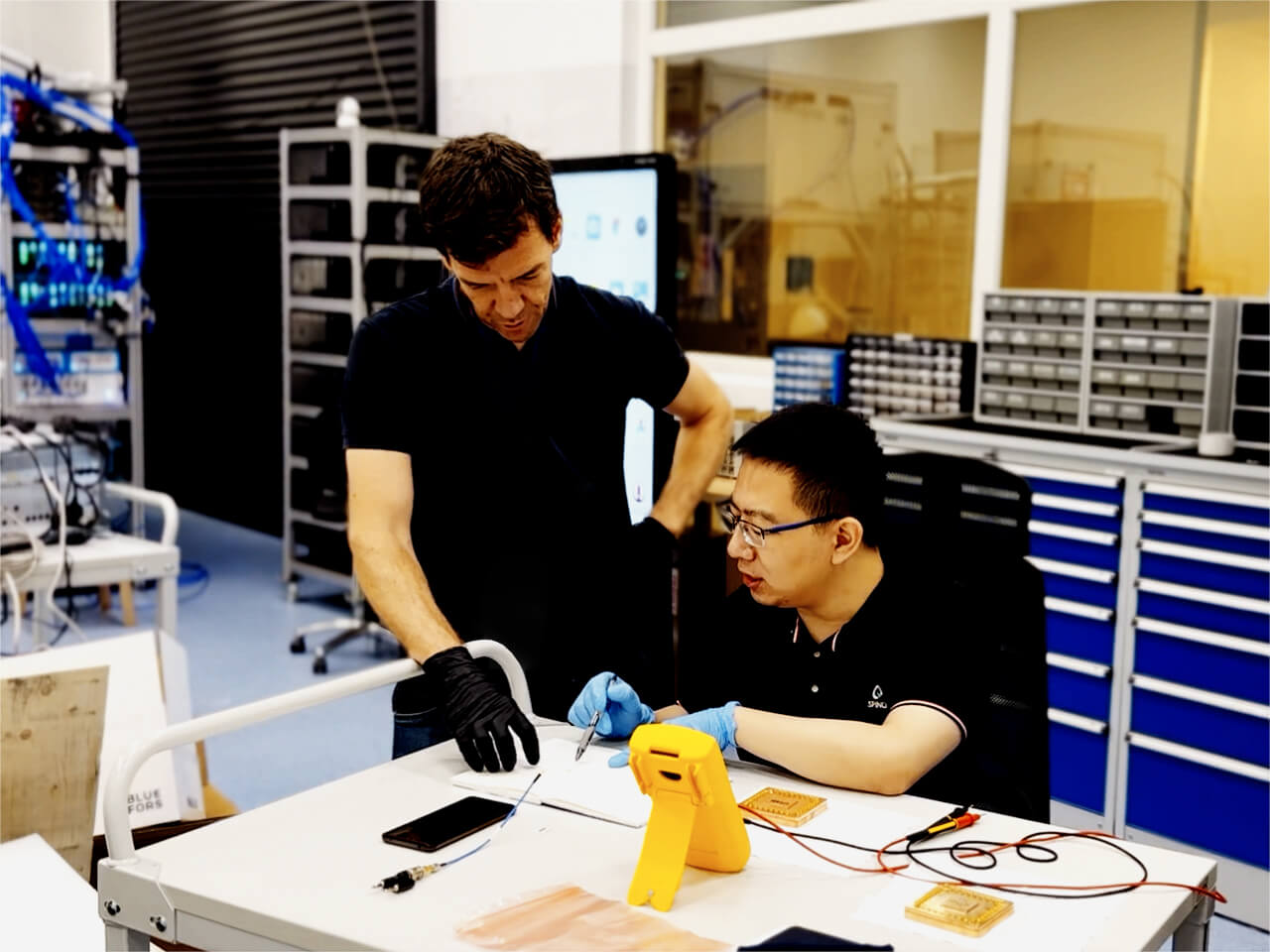
Research Institutions and National Laboratories
Research institutions are among the earliest adopters of commercial superconducting quantum computers. These organizations use commercial systems to explore quantum algorithms, validate theoretical models, and develop expertise without building hardware from scratch.
Commercial systems provide a stable foundation for long-term research programs and collaborative projects that require dependable quantum hardware.
Universities and Advanced Quantum Education Programs
Universities increasingly adopt commercial superconducting quantum computers to support advanced teaching and research. These systems allow students and researchers to interact with real quantum hardware in a controlled and reliable environment.
For educational institutions, commercial platforms reduce the complexity of system maintenance while providing hands-on access to cutting-edge technology.
.jpg)
Enterprise R&D Teams and Technology Innovators
Enterprise research and development teams use commercial superconducting quantum computers to investigate potential future applications. These include optimization, simulation, and hybrid quantum-classical workflows.
Commercial systems enable enterprises to build internal quantum expertise, experiment with algorithms, and prepare for future technological shifts without relying entirely on external cloud services.
Government and Strategic Computing Initiatives
Governments and public-sector organizations invest in commercial superconducting quantum computers to develop sovereign quantum capabilities. These systems support national research initiatives, workforce development, and long-term strategic planning.
Local deployment and controlled access are often key drivers for government adoption.
Why Organizations Invest in Commercial Superconducting Quantum Computers
Building In-House Quantum Capabilities
Owning a commercial superconducting quantum computer allows organizations to develop in-house expertise. This capability building is critical in a field where skilled professionals are scarce and long-term learning curves are steep.
Commercial systems provide a stable platform for continuous experimentation and skill development.
Data Security and Local Deployment Requirements
Some organizations require that sensitive data and algorithms remain on-site. Commercial superconducting quantum computers support local deployment models that meet security and compliance requirements.
This level of control is particularly important for government agencies and enterprises working with proprietary or regulated data.
Long-Term Research and Talent Development
Investing in a commercial quantum system signals a long-term commitment to quantum research and innovation. It helps attract talent, supports interdisciplinary collaboration, and creates a focal point for advanced research initiatives.
Preparing for Future Quantum Advantage
Although widespread quantum advantage is still emerging, organizations that invest early gain experience and readiness. Commercial superconducting quantum computers allow users to prepare infrastructure, workflows, and teams ahead of broader industry adoption.
Commercial Deployment Models
On-Premise Superconducting Quantum Computers
On-premise deployment provides full control over hardware, data, and system operation. This model is well-suited for organizations with strict security requirements or long-term research agendas.
Private Quantum Cloud and Dedicated Access Models
Some commercial systems support private cloud configurations, enabling controlled remote access while maintaining system isolation. This model balances flexibility with security.
Hybrid Classical–Quantum Computing Environments
Commercial superconducting quantum computers are often integrated into hybrid environments where classical and quantum resources work together. This hybrid approach reflects current practical usage patterns in quantum research.
Technical and Operational Requirements for Commercial Adoption
Infrastructure and Facility Considerations
Organizations adopting commercial superconducting quantum computers must prepare suitable facilities. This includes power, space, environmental controls, and safety considerations related to cryogenic systems.
System Operation, Maintenance, and Support
Commercial systems are supported by structured maintenance and technical support services. This ensures predictable operation and minimizes downtime over the system’s lifecycle.
Talent and Skill Requirements for End Users
While commercial systems reduce complexity, skilled personnel are still required to operate and use them effectively. Training and documentation are therefore essential components of commercial offerings.
How SpinQ Enables Commercial Superconducting Quantum Computing
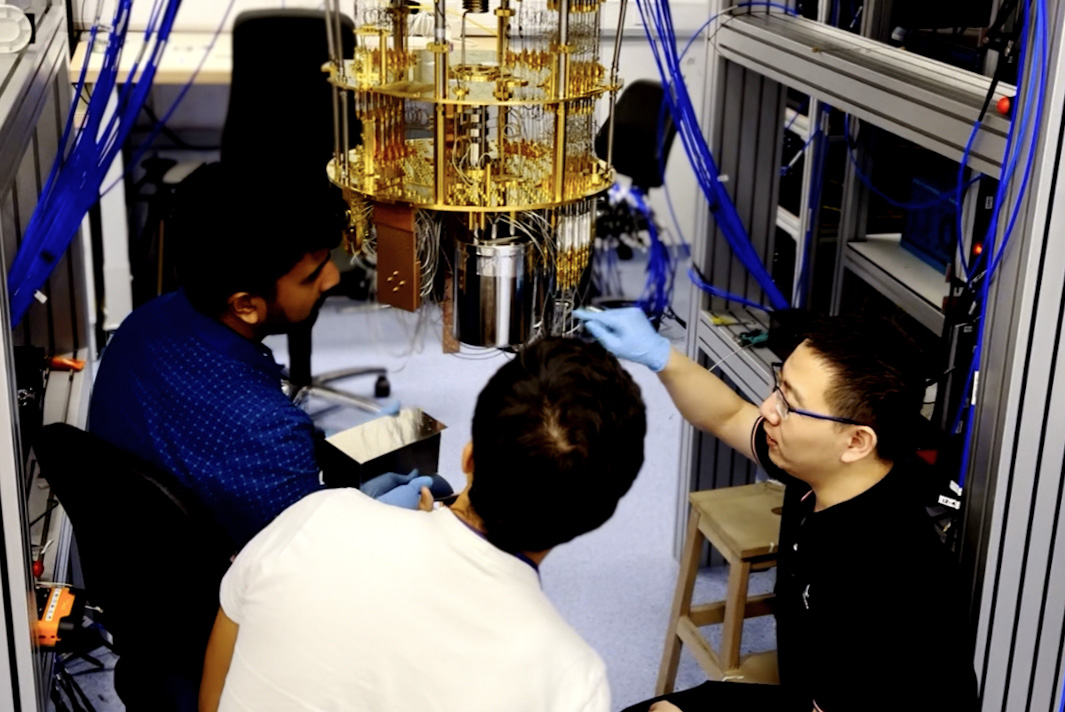
Integrated Hardware-to-Software Commercial Solutions
SpinQ delivers commercial superconducting quantum computers as integrated solutions, combining quantum chips, control systems, cryogenic infrastructure, and software platforms. This integration simplifies deployment and operation for end users.
Engineering Reliability and Standardized Delivery
By focusing on engineering reliability and standardized system delivery, SpinQ supports organizations seeking dependable quantum computing platforms. This approach aligns with the practical needs of commercial and institutional users.
Supporting Research, Education, and Early Industrial Exploration
SpinQ’s commercial superconducting quantum computers are designed to support a wide range of users, from academic researchers to enterprise R&D teams. This versatility enables exploration across education, research, and early-stage industrial applications.
Common Misconceptions About Commercial Quantum Computers
Commercial Does Not Mean Consumer-Ready
Commercial superconducting quantum computers are specialized systems intended for professional use. They require expertise, infrastructure, and planning to operate effectively.
Quantum Advantage vs Practical Commercial Value
Commercial value today often lies in learning, experimentation, and preparation rather than immediate computational breakthroughs. Understanding this distinction helps set realistic expectations.
Short-Term Expectations vs Long-Term Impact
Quantum computing is a long-term investment. Commercial systems provide value through capability building and sustained research rather than instant results.
How to Evaluate Whether a Commercial Superconducting Quantum Computer Is Right for You
Key Evaluation Criteria for Buyers
Organizations should evaluate system integration, support services, software ecosystem, and long-term roadmap when considering a commercial superconducting quantum computer.
Questions Organizations Should Ask Before Procurement
Key questions include deployment model, operational requirements, training support, and alignment with long-term research or innovation goals.
Conclusion: The Role of Commercial Superconducting Quantum Computers Today
A commercial superconducting quantum computer represents a critical step in the transition of quantum computing from experimental research to practical deployment. These systems provide organizations with reliable, integrated platforms for learning, experimentation, and long-term capability building.
By enabling structured access to real quantum hardware, commercial superconducting quantum computers help bridge the gap between theory and application. As the technology continues to mature, these systems will play an increasingly important role in shaping the future of quantum innovation across research, education, and industry.
Featured Content