
Inside a Superconductor Circuit for Qubits
2026.06.24 · Blog superconductor circuit
Inside a Superconductor Circuit for Qubits
A “superconductor circuit” is more than just a piece of metal cooled to low temperatures. In quantum computing, it is a carefully engineered structure that behaves like an artificial atom, with discrete energy levels and controllable quantum states. These circuits form the basis of superconducting qubits and are central to the superconducting quantum computers that we design and build.
Understanding how a superconductor circuit becomes a qubit, and how many such circuits are connected into larger processors, gives you a clearer picture of modern quantum computing hardware. It also explains why expertise in materials, fabrication, cryogenics, and microwave engineering all converge in this field.
From Superconductivity to Quantum Circuits
Superconductivity is a quantum phenomenon in which certain materials, when cooled below a critical temperature, exhibit zero electrical resistance and expel magnetic fields. When we pattern these materials into specific geometries and introduce Josephson junctions, we create circuits whose energy landscape is inherently quantum mechanical. In other words, a superconductor circuit can host quantum states that we can control and measure.
In practice, these circuits are operated at cryogenic temperatures where thermal noise is minimized. At such low temperatures, the circuit’s behavior is dominated by quantum effects rather than classical fluctuations. The design of each superconductor circuit determines its frequency, anharmonicity, and interaction with other components, all of which are crucial for defining qubit properties and gate operations.
Designing a Superconductor Circuit as a Qubit
To turn a superconductor circuit into a qubit, we engineer it so that it has at least two low‑energy states that can represent logical 0 and 1. Various circuit architectures achieve this, often using combinations of capacitors, inductors, and Josephson junctions arranged in specific ways. The parameters of the circuit, such as junction critical current and capacitance, are tuned so that the energy difference between states is suitable for microwave control.
In our superconducting quantum chips, we design many such superconductor circuits on a single substrate, arranging them in patterns that support both individual control and multi‑qubit interactions. We take into account not only the performance of each qubit, but also how the circuits couple to control lines, readout resonators, and each other. This system‑level design ensures that the entire chip functions as a coherent quantum processor, not just a collection of isolated elements.
Integrating Superconductor Circuits into Full Systems
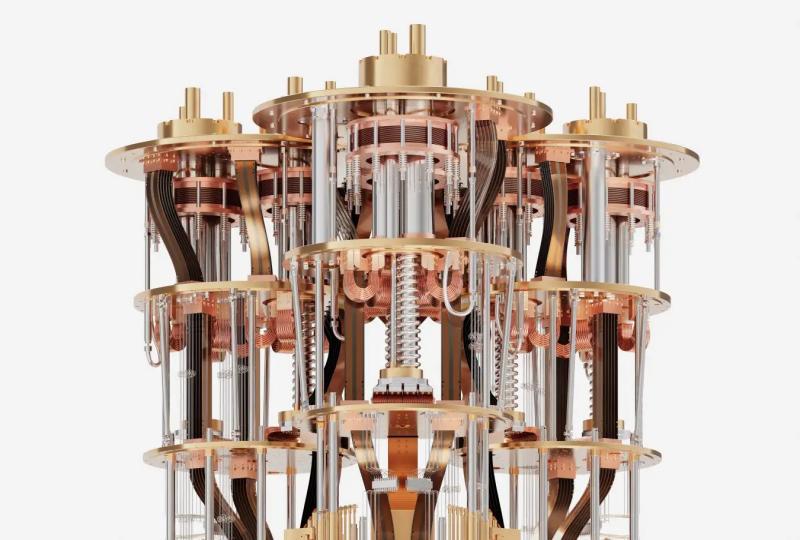
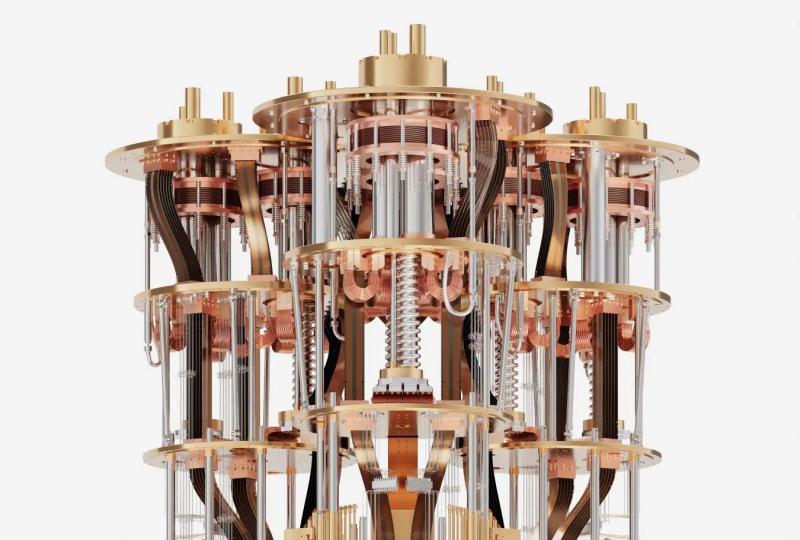
A superconductor circuit on a chip must be connected to the outside world through carefully engineered interfaces. At cryogenic temperatures, signals travel through specialized wiring that maintains thermal isolation while preserving signal integrity. At room temperature, quantum control and measurement systems generate and process microwave signals to drive and read out the qubits.
We provide complete hardware stacks that integrate superconductor circuits, cryogenic deployment, and control electronics. Our quantum control and measurement systems are designed to communicate directly with our superconducting chips, delivering precisely timed pulses and capturing measurement results with high fidelity. This integrated approach reduces the engineering burden on users and allows them to focus on algorithm development and application research.
Applications Enabled by Superconductor Circuits
Because superconductor circuits can be fabricated with techniques related to conventional microelectronics, they are among the most promising candidates for scalable quantum processors. Their fast gate times and flexible design make them suitable for a wide variety of quantum algorithms, from simulation of quantum systems to optimization and machine learning tasks. Many of the most visible demonstrations of quantum advantage to date have used superconducting‑based platforms.
Our own systems are used in research on quantum simulation, algorithm validation, and application pilots in fields such as materials science and optimization. By giving researchers and organizations access to real superconductor circuit‑based processors, we help them explore how quantum computing can address their specific challenges. These experiences inform both our product roadmap and our partners’ long‑term technology strategies.
How SpinQ Builds on Superconductor Circuit Technology
At SpinQ, the superconductor circuit is the fundamental unit from which we build everything else: quantum chips, control systems, and full superconducting quantum computers. Our design process begins with circuit‑level simulations and fabrication, continues through system‑level integration and cryogenic deployment, and culminates in reliable, user‑friendly quantum computing platforms.
By controlling the entire stack, we ensure that each superconductor circuit delivers its full potential in real‑world applications. Whether you work in research, education, or industry, our superconducting solutions give you a direct bridge from quantum hardware principles to practical quantum computing experiences.

Featured Content