
Superconducting Circuits for Quantum Computing
2026.06.24 · Blog superconducting circuits
Superconducting Circuits for Quantum Computing
Superconducting circuits are at the heart of many of today’s most advanced quantum computers. By operating electrical circuits in a superconducting state and engineering them as “artificial atoms”, we can create qubits that are controllable, scalable, and compatible with modern fabrication processes. As a superconducting quantum computing company, we design superconducting circuits from chip level to full system integration.
These circuits form the foundation of our superconducting quantum chips, our control and measurement systems, and the complete superconducting quantum computers we deploy for customers. Understanding how superconducting circuits work and why they are so powerful for quantum applications helps organizations make informed decisions about their quantum strategy.
What Makes a Circuit Superconducting
A superconducting circuit is built from materials that exhibit zero electrical resistance and expel magnetic fields when cooled below a critical temperature. When combined with carefully designed structures and Josephson junctions, these circuits can display distinct quantum energy levels and coherent quantum behavior at the macroscopic scale. This is the core reason why superconducting circuits are such a natural platform for quantum bits.
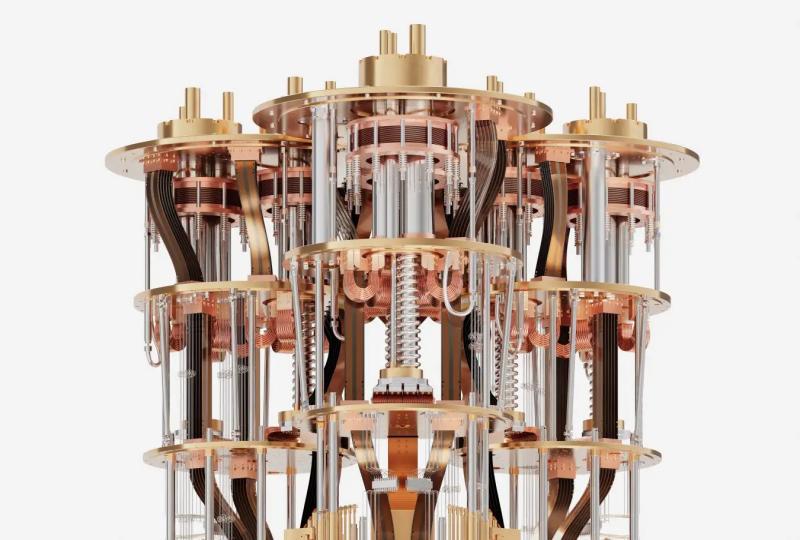
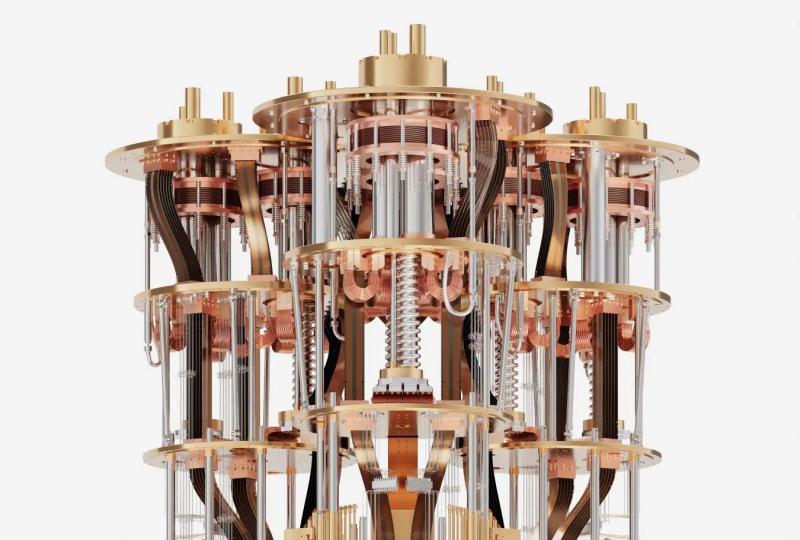
In practical systems, superconducting circuits are operated inside cryogenic refrigerators that bring components to temperatures near absolute zero. At these temperatures, the circuits behave according to quantum mechanical rules in a way that can be controlled by microwave pulses and other electromagnetic signals. The design, fabrication, and integration of these circuits require close collaboration between materials science, microwave engineering, and quantum physics.
From Superconducting Circuits to Qubits
Superconducting qubits are realized by designing circuits that have two low‑energy states that can represent the logical states of a qubit. The energy structure of these circuits can be tuned through geometry, materials, and circuit elements, allowing different qubit types such as transmons and flux qubits. Each qubit is then coupled to control lines and readout resonators so that it can be manipulated and measured.
In our superconducting quantum chips, we implement arrays of such qubits, together with coupling elements that support multi‑qubit gates. We design these circuits not just for single‑qubit performance, but also for system‑level requirements such as crosstalk management, scalability, and compatibility with control electronics. This holistic design approach ensures that the superconducting circuits operate as reliable building blocks within larger quantum processors.
Control and Measurement of Superconducting Circuits
To use superconducting circuits for quantum computation, precise control and measurement are essential. Microwave pulses are used to drive transitions between the quantum states of the qubits, implementing quantum gates and algorithms. Measurement is typically performed by coupling qubits to resonant circuits whose response changes depending on the qubit state, allowing the outcome to be inferred.
Our quantum control and measurement systems are engineered specifically for superconducting circuits. They provide high‑fidelity pulse generation, timing, and synchronization, along with advanced readout capabilities. By tightly integrating hardware and software, we enable users to define and run quantum programs while the underlying control complexity is handled by our systems. This integration is crucial for turning superconducting circuits into usable quantum computing platforms.
Cryogenic Deployment and System Integration
Superconducting circuits require stable cryogenic environments to maintain their quantum properties. This involves not only temperature control, but also shielding from external noise, careful wiring, and mechanical stability. Cryogenic deployment is therefore a key element of any superconducting quantum computer, and it must be considered alongside chip and control system design.
We provide quantum computer cryogenic deployment solutions that integrate superconducting circuits, cabling, and control interfaces into robust system architectures. Our goal is to ensure that the performance of the superconducting circuits in the lab can be replicated and maintained in operational environments. This system‑level perspective allows customers to focus on algorithms and applications while we handle the complexities of quantum hardware deployment.
Superconducting Circuits as a Scalable Platform
One of the main reasons superconducting circuits have become a leading platform for quantum computing is their scalability. They can be fabricated using techniques related to those used in conventional microelectronics, and they can be designed in modular ways that support incremental scaling of qubit numbers. This does not make scaling easy, but it makes it technically and economically plausible over time.
Our roadmap for superconducting circuits focuses on standardization, performance improvement, and integration. By refining core circuit designs, improving fabrication processes, and co‑optimizing chips, control systems, and cryogenics, we create a path from small experimental devices to larger, more capable processors. Customers who invest in superconducting‑based solutions today are therefore building on a platform designed for growth.
How SpinQ Designs and Delivers Superconducting Circuits
At SpinQ, superconducting circuits are not just an internal technology; they are the core of our product portfolio. We design superconducting quantum chips with an emphasis on high performance and extensibility. We build quantum control and measurement systems that speak the language of these circuits. We deliver full superconducting quantum computer solutions where every layer, from the circuit to the software, is tuned to work together.
By combining expertise in circuit design, system engineering, and application collaboration, we help customers turn superconducting circuits into practical quantum computing capabilities. Whether you are a research lab exploring new quantum phenomena or an organization building a quantum center of excellence, our superconducting circuit‑based platforms provide a solid foundation for your work.

Featured Content