
Superconducting Quantum Computer Customization for Research
2026.08.26 · Blog Superconducting Quantum Computer customization
As quantum computing moves from early evaluation to laboratory-based development, organizations increasingly need systems that reflect their own research priorities rather than a one-size-fits-all configuration. Whether the objective is quantum hardware research, algorithm validation, advanced education, or internal capability building, the design of the underlying platform directly affects what teams can test, learn, and develop over time.
Superconducting quantum computer customization is not simply a choice of processor configuration. For research institutions, universities, and technology organizations, it is a system-planning process that connects the quantum processing unit, quantum control, readout, cryogenic infrastructure, software access, laboratory conditions, and user objectives. A practical configuration begins by identifying the experiments and technical capabilities the organization intends to build.
Start Customization With the Questions That Matter
Every quantum project has different priorities. A research laboratory may need detailed access to qubit control and measurement workflows. A university may need a platform that supports advanced teaching, graduate research, and interdisciplinary collaboration. A technology R&D team may need a private operating environment to evaluate quantum algorithms and build internal engineering expertise.
Before selecting hardware components, teams should define the questions their system must answer. They may include whether the project focuses on qubit characterization, pulse-level control, quantum algorithm testing, quantum error correction research, chip design, or hybrid quantum-classical workflows. The answer influences the processor architecture, control channels, software interfaces, data workflows, and technical support model.
This goal-led method prevents customization from becoming a list of disconnected features. Instead, it creates a coherent system in which the hardware and operational environment support a specific scientific or technical purpose.
Customize the Quantum Processing Foundation
The quantum processing unit is the central computing component in a superconducting system. It contains the qubits and circuit structures used to control, connect, and read those qubits. Depending on the research objective, customization can address chip architecture, qubit layout, connectivity, coupler structures, resonator design, frequency planning, packaging, and device testing needs.
These decisions matter because processor design affects the experiments a team can conduct. A group studying connectivity may require a different layout from a group focused on control calibration. A team investigating quantum error correction concepts may need a configuration that supports relevant measurement and control workflows. A customer developing chip expertise may need a route from design through fabrication and testing.
SpinQ offers superconducting quantum computers and related product and service capabilities for customers seeking a connected path from quantum chips to system-level use. Our superconducting portfolio includes QPUs, quantum chip design and testing services, quantum control and measurement systems, low-temperature deployment support, and software. This enables organizations to assess a complete solution around their own research needs.
Configure Control and Measurement for Real Experiments
A quantum processor does not operate independently. It must receive precisely generated control signals and it needs a readout chain that captures the information required to interpret quantum experiments. The quantum control and measurement system is therefore a central part of superconducting quantum computer customization.
Configuration decisions can include the number and type of control channels, readout requirements, timing relationships, waveform capabilities, synchronization, experimental data workflows, and the degree of pulse-level access available to users. Different teams will need different levels of operational flexibility. Some users may focus on circuit-level quantum programs, while others may need to investigate pulse sequences, calibration processes, and signal behavior directly.
SpinQ develops quantum control and measurement capabilities for superconducting qubit operation. By planning the control and readout environment alongside the processor, customers can build a more coordinated path for calibration, experimental execution, measurement, and analysis.
Plan Cryogenic Deployment as Part of the System
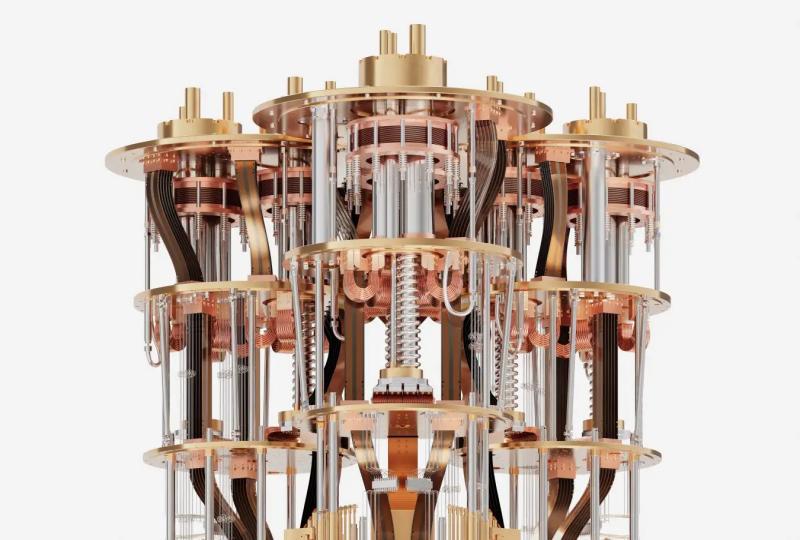
Superconducting qubits operate in an extremely low-temperature environment, making cryogenic integration an essential part of the quantum system. Laboratory planning must account for the relationship between the processor, low-temperature equipment, radio-frequency components, signal connections, measurement chain, control electronics, facilities conditions, and daily operating procedures.
Customization at this layer begins with realistic laboratory assessment. Organizations should consider room layout, equipment access, power and cooling conditions, cabling routes, signal routing, technical staffing, maintenance planning, safety processes, and future expansion needs. These factors influence how effectively the system can be installed, operated, calibrated, and maintained over time.
SpinQ supports low-temperature environment deployment for superconducting quantum computing projects. This support can include planning related to cryogenic equipment, quantum computing radio-frequency components, laboratory assessment, installation, maintenance, and system integration. Treating this infrastructure as part of the original design helps teams establish a more stable technical foundation.
Choose Software Access That Matches the Team
Quantum computing customization also requires software decisions. A system should provide the access model that fits the users’ knowledge and research objectives. A programming team may need circuit construction, compilation, simulation, and data export. A hardware research group may need closer access to pulse-level control, calibration information, and experimental workflows. An institutional program may need user permissions, structured training, and controlled access for multiple groups.
SpinQ’s quantum computing software capabilities support programming and online experiment workflows, including graphical quantum circuit design, online QASM programming, custom quantum gates, and built-in quantum algorithms. These tools can help connect abstract program design with real hardware-oriented experimentation and learning.
For organizations considering private deployment, software planning can also help establish a more controlled environment for research users, technical workflows, and internal data practices. The correct approach depends on the institution’s operating model and the level of integration required with existing computing resources.
Support Research, Education, and Internal Capability Building
A customized superconducting system can serve different roles over its lifecycle. A research institute may use it for quantum hardware experiments and system development. A university may combine faculty research with advanced quantum engineering education. A technology organization may use it to develop internal capability in quantum algorithms, hardware-aware programming, control engineering, and future application exploration.
Current quantum projects should be organized around realistic goals. They can create value through experimental research, technical readiness, talent development, workflow validation, and interdisciplinary collaboration. The most effective customization process supports those outcomes directly instead of relying on generalized expectations about quantum computing.
Build a Customization Roadmap
A useful roadmap begins with an initial technical scope and allows for deliberate expansion. The first stage may focus on laboratory readiness, processor selection, core control and measurement capability, and user training. The next stage may introduce deeper software workflows, experimental protocols, and research projects. Over time, the organization may expand hardware capabilities, integrate additional computing resources, or establish new collaboration models.
This staged approach helps customers balance immediate needs with long-term ambitions. It also makes it easier to identify which capabilities must be included from the beginning and which can be developed as the team gains experience. SpinQ can support this planning process through integrated hardware, software, and service capabilities.
Develop a System That Fits Your Quantum Roadmap
Superconducting quantum computer customization is most effective when the processor, control system, cryogenic environment, software, and research workflow are planned together. This creates a stronger basis for reliable experiments, internal knowledge development, and long-term technical progress.
SpinQ helps customers connect these layers through integrated quantum hardware and service capabilities. Our quantum computing software supports programmable quantum workflows alongside superconducting system development, helping research teams move from planning to structured experimentation. Contact SpinQ to discuss a solution aligned with your technical objectives and operating environment.
Featured Content