
Modular Educational Quantum Computer for Practical Learning
2026.08.26 · Blog Modular Educational Quantum Computer
Quantum education programs need more than slides, theory, and simulation exercises. Students and instructors need a structured way to connect quantum concepts with programming, physical hardware, experimental procedures, observable data, and open-ended exploration. A modular Educational Quantum Computer can support that process by allowing an institution to build learning activities around different levels of knowledge and different teaching objectives.
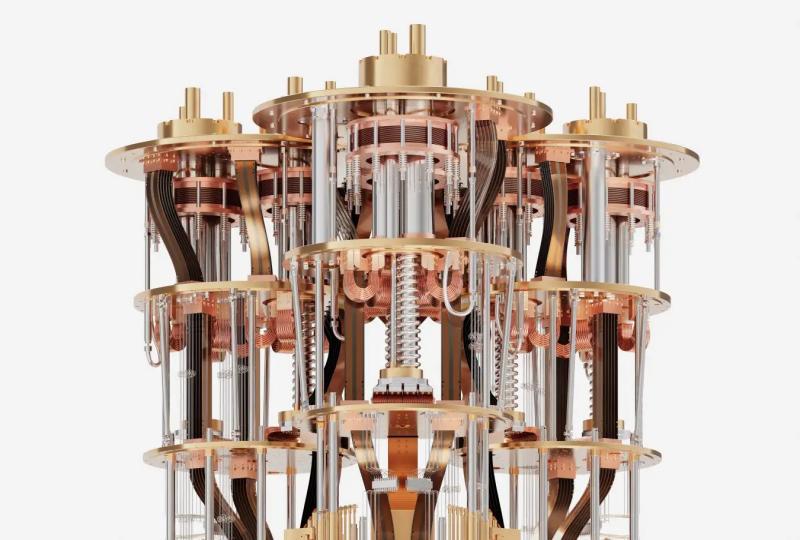
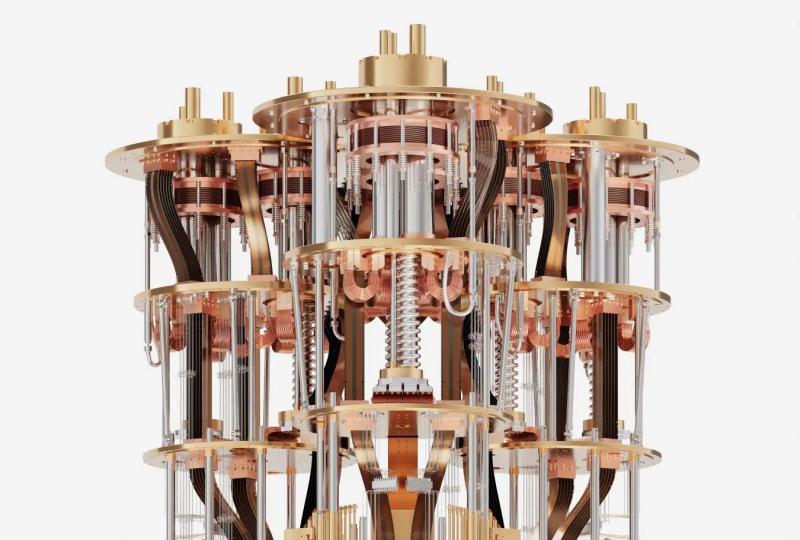
By leveraging industrial-grade superconducting quantum computers, educational-grade nuclear magnetic resonance quantum computers, online quantum experiment capabilities, and software, this technology supports scientific research and education. For educational institutions, this combination makes it possible to develop quantum learning into a practical, actionable pathway, rather than an isolated demonstration project.
Why Modularity Matters in Quantum Education
Quantum computing is interdisciplinary. Students may approach it from physics, computer science, engineering, mathematics, chemistry, or a broader STEM background. Their starting knowledge is different, and their eventual learning goals may also be different. A modular teaching approach helps instructors organize material from foundational concepts through programming, experiments, data analysis, and research-oriented work.
At the introductory level, learners can focus on qubits, superposition, quantum gates, and measurement. At the next level, they can write circuits and explore algorithms. More advanced users can connect those circuits with real hardware operation, NMR signals, pulse sequences, experimental control, and measured results. This progression makes learning more coherent and gives institutions a way to reuse the same quantum platform across multiple courses and user groups.
Modularity is not only about physical components. It also includes flexible curriculum resources, experiment guidance, software access, user workflows, and the ability to move from instructor-led demonstrations to independent student projects. This flexibility helps an institution turn a quantum device into a sustainable education capability.
Use Real NMR Hardware to Connect Theory and Practice
NMR quantum computing provides a practical route for teaching quantum information concepts with real hardware. NMR systems use the quantum properties of nuclear spins and radio-frequency control to support quantum experiments. In an education environment, this allows learners to relate a quantum circuit or algorithm to the physical operations, signals, and data behind it.
SpinQ offers NMR quantum computers designed for quantum education, experimental teaching, scientific outreach, and research exploration. Our NMR product portfolio includes portable and desktop systems as well as laboratory-oriented platforms. These products support different learning settings, from introductory demonstrations and programming activities to university laboratory experiments and higher-level research practice.
A real NMR platform is especially useful when educators want students to understand that quantum computing is both a computational and an experimental discipline. Learners can observe how programs are executed, work with experimental guidance, analyze output data, and discuss why measured outcomes may differ from an idealized simulation.
Build Learning From Concepts to Experiments
A practical curriculum can start with foundational quantum ideas. Students learn how a qubit differs from a classical bit and how superposition, interference, and measurement are used in quantum information. Instructors can then introduce gates, circuit models, and simple algorithms through guided programming exercises.
The next step is to run selected tasks on real hardware. This enables students to compare expected circuit behavior with measured results and build a more grounded understanding of hardware conditions. They can see that quantum operations depend on controlled physical processes rather than existing only as symbols in a program.
For advanced courses, the learning process can include experimental configuration, signal observation, parameter adjustment, pulse sequence exploration, and data processing. These activities are relevant to students studying quantum information, NMR, experimental physics, electrical engineering, and control systems. They also support interdisciplinary projects that connect software development with physical experimentation.
Match the Platform to the Teaching Environment
Different education settings require different levels of flexibility. A portable NMR quantum computer can be useful for demonstrations, introductory classes, science outreach, and self-directed learning. A desktop system can support classroom programming, quantum circuit exercises, and recurring course activities. A laboratory platform can provide deeper access for undergraduate and graduate experiments, instructor-led research, and advanced quantum teaching.
SpinQ’s Gemini Mini and Gemini Mini Pro are portable NMR quantum computing systems for education and demonstration. Triangulum II is a desktop NMR quantum computer designed to support programmable quantum activities and open experimental work. Gemini Lab is a full-stack quantum computing experimental platform for higher education and research-oriented learning, built around NMR quantum computing principles and compact system design.
The right choice should be based on the institution’s learning outcomes, course levels, instructor experience, room conditions, and need for software or experimental openness. A useful platform should make it easier for teachers to introduce quantum computing progressively while preserving enough depth for advanced learners.
Support Instructors as Well as Students
Successful quantum education programs require instructor support. Many educators are introducing quantum computing while learning how to integrate it into an existing physics, engineering, computer science, or STEM curriculum. They need structured resources, clear experiment workflows, technical guidance, and an accessible path for introducing real hardware in the classroom or laboratory.
SpinQ’s education approach is built around equipment, resources, and empowerment. Our quantum education solution is designed for universities, K12 schools, and science outreach institutions that need a more complete approach to quantum learning. It can help users connect teaching equipment with curriculum resources, practical experiments, and capability development.
This structured support matters because the learning experience does not begin when a device is delivered. Institutions need to decide how learners will access the system, which experiments are suitable for each course, how results will be assessed, and how instructors will move from guided sessions to more open-ended work.
Bring Programming and Data Into the Curriculum
Quantum programming is an important part of modern quantum education. It helps students translate quantum concepts into executable instructions and understand the logic of circuit construction. When programming is combined with real hardware access, students can observe the relationship between the code they write and the data they receive.
SpinQ’s software ecosystem supports quantum programming and online experiment workflows, including graphical circuit design, QASM programming, user-defined gates, and built-in algorithm resources. Instructors can use these capabilities to create assignments that progress from simple circuits to more advanced programming and experimental analysis.
Data analysis adds another valuable dimension. Students can learn to compare expected results with measured output, identify patterns, document experimental parameters, and discuss sources of variation. These skills build scientific discipline and create a stronger bridge between quantum theory, programming, and laboratory practice.
Design a Scalable Education Pathway
An education-focused quantum program should be able to develop with the institution. An introductory course can lead to laboratory modules. Laboratory modules can lead to student projects. Student projects can support faculty research, interdisciplinary collaboration, and outreach activities. A modular platform makes this growth easier because it supports multiple learning layers rather than a single fixed use case.
Institutions can begin by identifying who will use the platform and what outcomes they expect. They should consider whether the device is intended for first exposure, degree courses, experimental labs, teacher training, research exploration, or public engagement. They should also assess whether learners need guided exercises, code-based access, experimental data, or more open control functions.
Planning around these questions helps institutions create a practical and durable quantum education roadmap. It also ensures that the technology serves the curriculum rather than becoming an underused demonstration tool.
Frequently Asked Questions
What is a modular educational quantum computer?
It is a quantum teaching platform that supports different learning stages, including foundational concepts, programming, hardware observation, guided experiments, data analysis, and advanced exploration. Its modular value comes from the ability to adapt activities to learners and curriculum requirements.
Why use real quantum hardware in a course?
Real hardware helps students connect quantum theory with physical operations, experimental processes, measurement, and data. It complements simulations and programming exercises by showing how quantum computing works as an experimental system.
Why is NMR suitable for quantum education?
NMR-based quantum systems can support accessible hands-on quantum experiments in education settings. They help learners study quantum information, radio-frequency control, programming, signal observation, and data analysis through a real hardware platform.
Can the same platform support teaching and research?
Yes. Depending on the system configuration, an NMR quantum platform can support introductory teaching, programming exercises, laboratory experiments, advanced learning, and selected research exploration.
How does SpinQ support quantum education?
SpinQ provides NMR quantum computing equipment, educational resources, software tools, experiment-oriented learning capabilities, and technical support for institutions building quantum education programs.
Build Practical Quantum Learning With SpinQ
A modular educational quantum computer helps institutions move beyond purely theoretical quantum instruction. By connecting concepts, programming, real hardware, experiments, and data analysis, it creates a more complete learning environment for students and instructors.
We supports this process through our quantum education solution, which brings together equipment, resources, and capability development for universities, K12 schools, and science outreach institutions. Our NMR quantum platforms can help your organization establish a structured path from introductory quantum learning to practical experimentation and advanced study.
Featured Content