
Superconducting Quantum Computer Comparison Guide
2026.08.07 · Blog superconducting quantum computer comparison
Choosing a superconducting quantum computer is no longer only about qubit count. For research teams, universities, and innovation labs, the real question is how a system performs across the full stack: chip design, cryogenic infrastructure, control electronics, software, reliability, and long-term support.
A useful superconducting quantum computer comparison should not focus on a single spec sheet. Instead, it should help decision-makers understand which platform aligns with their use case, whether the goal is quantum education, algorithm development, hardware research, or early-stage industrial exploration.
SpinQ’s portfolio reflects this broader view of quantum computing. From superconducting QPU solutions to integrated superconducting quantum computers and education-focused NMR platforms, the company provides a practical path for organizations at different stages of quantum readiness. If you are evaluating options, it helps to compare systems by architecture, deployment model, and application fit rather than by headline numbers alone.
Why Comparison Matters
Superconducting quantum systems share a common foundation, but they are not interchangeable. Two platforms may both be described as superconducting quantum computers, yet they can differ significantly in packaging, control workflow, ease of integration, and the level of engineering support required.
For some teams, the most important factor is scalability. For others, it is experiment stability, calibration workflow, or whether the system can be integrated into an existing lab environment. In academic settings, ease of teaching and reproducibility may matter more than raw performance. In industrial R&D, deployment reliability and vendor collaboration often carry greater weight.
That is why a serious comparison should consider the whole lifecycle of the system, from installation to operation and maintenance.
Core Comparison Factors
-
Qubit Architecture and Scalability
The first thing to evaluate is how the quantum processor is structured. Superconducting quantum computers typically rely on Josephson-junction-based qubits, but the lattice layout, connectivity, and packaging approach can influence what kinds of experiments are practical.
A compact research platform may be ideal for proof-of-concept work and algorithm testing. A larger system can support more advanced workflows, but it may also require deeper infrastructure and more complex control. When comparing options, ask whether the architecture is suitable for your near-term goals and whether it leaves room for future expansion.
-
Control and Measurement Stack
A quantum computer is only as usable as its control system. Pulse generation, readout, calibration, and measurement software all affect day-to-day productivity.
If the system uses a fragmented control workflow, the learning curve can slow down experimentation. A more integrated solution can shorten setup time and make it easier for researchers to reproduce results. For institutions building long-term capability, a coherent control stack is often as important as the QPU itself.
-
Cryogenic and Infrastructure Requirements
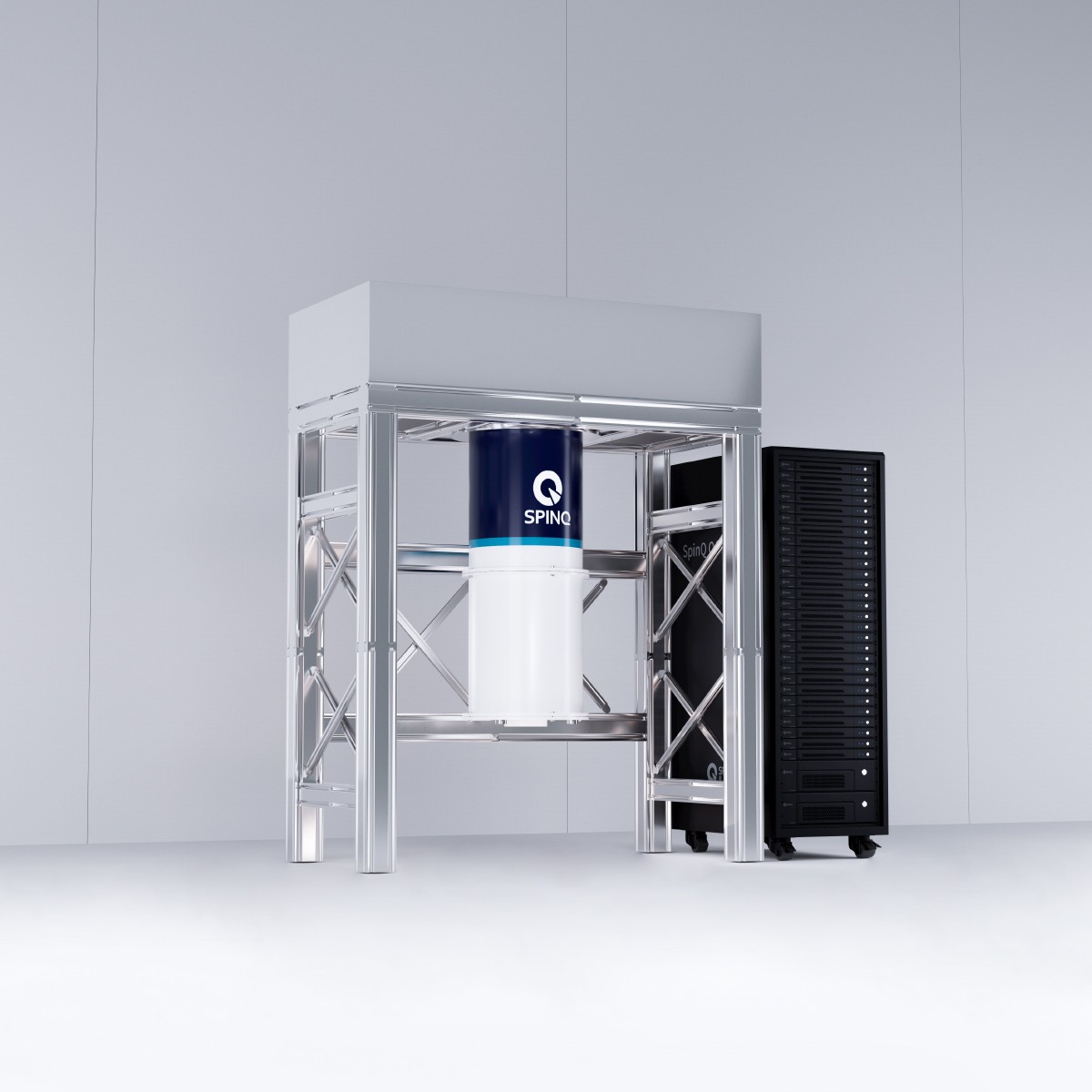
Superconducting systems usually require cryogenic operation, which means the comparison must include the deployment environment. Labs should review the space needed, thermal management requirements, vibration sensitivity, and support for stable operation.
This is where a turnkey approach can add value. If the vendor provides a coordinated system that includes cryogenics, control hardware, and software integration, the customer can focus more on research and less on assembly and troubleshooting.
-
Software Ecosystem
The software environment determines how easily users can program, test, and analyze quantum experiments. Some systems are built primarily for hardware specialists, while others are designed to support broader teams, including educators and algorithm developers.
A strong software ecosystem should support experiment configuration, data collection, visualization, and workflow automation. It should also be accessible enough for new users without limiting advanced users who need more control.
-
Technical Support and Training
Even the best quantum hardware requires onboarding. That is especially true for superconducting systems, where precision and workflow discipline matter.
When comparing vendors, look at the quality of documentation, training materials, response time, and technical collaboration model. Institutions that plan to build internal expertise should prioritize partners who can support both initial deployment and continued growth.
Comparing Different Use Cases
A superconducting quantum computer comparison is most useful when tied to a specific use case.
For education and demonstration, the priority is often accessibility, visualization, and stable operation. In this case, a smaller or more guided system may provide the best learning outcome.
For university research labs, the ideal platform may be one that balances depth with usability. The team may need access to advanced control features, but they also need a system that students can learn to operate efficiently.
For industrial R&D, the comparison shifts toward integration, repeatability, and support. Teams may want a platform that fits into a larger workflow, supports experimentation across departments, and can grow with future projects.
Where SpinQ Fits In
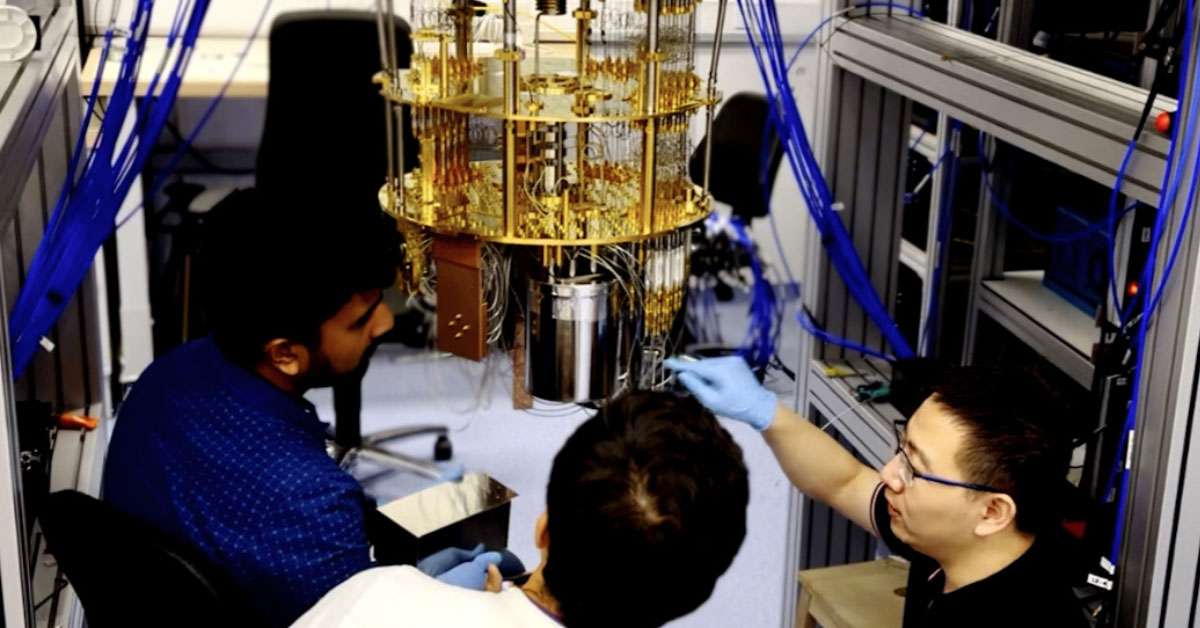
SpinQ’s quantum portfolio is designed to serve multiple stages of adoption. For organizations focused on superconducting technology, SpinQ offers integrated quantum solutions that combine the QPU, control system, cryogenic infrastructure, and software environment into a unified stack.
For teams that are still exploring quantum education or experimental preparation, SpinQ also provides NMR-based platforms such as quantum computer education solutions, QPU foundry capabilities, and quantum control and measurement systems. These options make it easier to build a phased roadmap rather than forcing a single large investment upfront.
A thoughtful comparison should therefore look at the vendor’s broader ecosystem, not just one product page. That wider perspective helps institutions choose a platform that fits their current resources while supporting future development.
Questions to Ask Before Choosing
Before finalizing a purchase or collaboration, ask the following:
-
What is the intended primary use case: education, research, or industrial R&D?
-
How much internal expertise does the lab already have?
-
Does the system require a fully integrated deployment model or a modular one?
-
How much support is included for installation, training, and calibration?
-
Is the software environment suitable for both beginners and advanced users?
-
Can the platform support future scaling or new experimental directions?
These questions keep the comparison grounded in real operating needs rather than marketing language.
Building a Better Decision Framework
The best superconducting quantum computer comparison is the one that leads to a workable deployment plan. That means matching hardware capabilities to organizational goals, available lab infrastructure, and user skill level.
If your team is just beginning, a platform that simplifies setup and reduces integration friction may be the smartest choice. If your goal is to push research boundaries, then deeper hardware access and advanced control features may matter more. In both cases, the right partner should help you move from evaluation to implementation with clarity.
For organizations looking to explore the full range of SpinQ solutions, the best starting point is to review the company’s superconducting quantum computer offerings alongside its quantum chip solutions and broader about SpinQ page.
Conclusion
A superconducting quantum computer comparison should go beyond specifications and focus on practical value. The right system is the one that fits your deployment environment, user base, and long-term research strategy.
As quantum computing moves from isolated labs into more structured research and education environments, organizations need solutions that are not only technically advanced but also deployable, supportable, and aligned with real goals. That is where a full-stack approach makes the comparison meaningful—and where SpinQ aims to provide a more complete path forward.
Featured Content