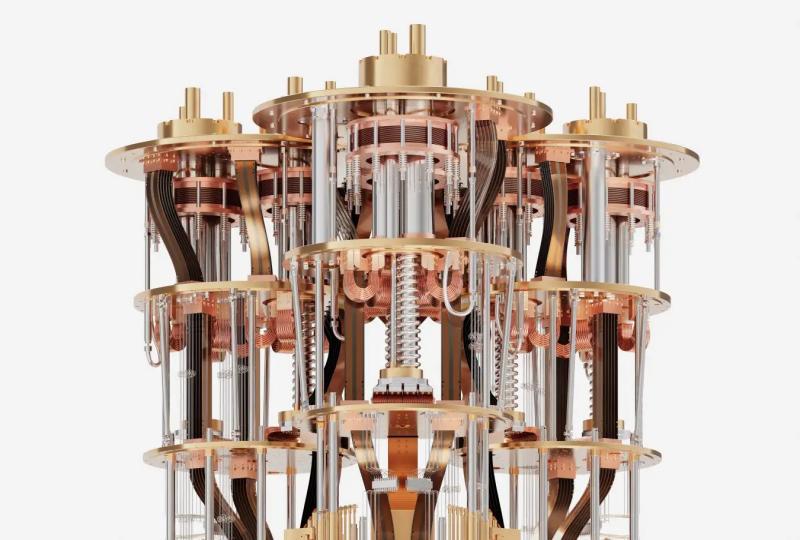

Cryostat Integration for Superconducting Quantum Computers
2026.08.06 · Blog cryostat integration superconducting quantum computer
Cryostat integration is a critical part of superconducting quantum computer deployment. Because superconducting qubits must operate in an extremely controlled environment, the cryostat is not just a supporting component. It is one of the most important parts of the full system architecture.
For teams building or deploying a superconducting quantum computer, cryostat integration affects stability, signal access, thermal management, and overall system usability. It is a technical process that requires careful planning, precise coordination, and attention to the entire hardware stack.
Why Cryostat Integration Matters
A cryostat provides the low-temperature environment needed for superconducting quantum hardware to function. But integration is about more than placing the system inside a chamber. It involves connecting the hardware, control lines, measurement interfaces, and support components in a way that maintains performance.
If integration is not handled well, the system may face issues with access, routing, or consistency. That is why cryostat integration is central to successful superconducting quantum computer deployment.
The Role of the Cryogenic Environment
Superconducting qubits depend on a carefully controlled cryogenic environment. This environment helps support the operating conditions required for the hardware to perform properly. The cryostat therefore becomes a key part of the system’s operational foundation.
A well-integrated cryostat helps create the conditions needed for reliable experimentation and measurement. It also supports the broader goal of stable quantum operation, which is essential for both research and future application development.
Integration Is a System-Level Task
Cryostat integration involves multiple layers of planning. The hardware must fit physically, but it also must function electrically and operationally within the larger system. That includes signal management, thermal considerations, and compatibility with control and measurement equipment.
For superconducting quantum computers, this makes integration a multidisciplinary task. Engineers, researchers, and deployment specialists all need to work together to ensure the system is assembled in a way that supports long-term use.
Deployment Planning Comes First
Before cryostat integration begins, deployment planning should define the requirements of the full system. This includes space, infrastructure, access needs, and operational workflows. Clear planning helps reduce friction later and improves the chances of a smooth installation.
SpinQ supports customers through practical deployment planning for superconducting systems. If you are evaluating how a full setup comes together, our quantum computer cryogenic deployment page is a useful reference for the installation and support process.
Linking Cryostat and Control Systems
The cryostat does not operate alone. It must work together with the quantum control and measurement stack. This connection is essential because the hardware inside the cryostat must be monitored, driven, and read out reliably.
That is why integration must consider both the cold environment and the external electronics. A strong connection between these layers supports better system behavior and improves the usability of the superconducting quantum computer over time.
For more on the related control layer, see our quantum control and measurement system.
Practical Challenges in Integration
Cryostat integration can present a number of challenges, especially when a system is being prepared for research or demonstration use. These may include physical constraints, cabling coordination, thermal management, and alignment with other hardware components.
The best way to manage these challenges is through careful system design and experienced support. The goal is not only to make the hardware fit, but to make it perform as intended once the system is running.
Supporting Reliability and Usability
A superconducting quantum computer is only as useful as the environment that supports it. Cryostat integration contributes directly to reliability and usability by helping the system maintain the conditions required for operation.
This matters to research teams, engineering teams, and customers who want a platform that is practical to work with. When integration is done properly, it becomes easier to focus on experiments, calibration, and system improvement.
SpinQ’s System Perspective
At SpinQ, we view cryostat integration as part of the full superconducting quantum computer lifecycle. That means we pay attention not just to hardware delivery, but to how the system is installed, connected, and operated in real environments.
Our approach is designed to help customers move from technical planning to practical implementation with confidence. By treating cryostat integration as a core system task, we support better outcomes for deployment and long-term use.
Conclusion
Cryostat integration is essential to superconducting quantum computer performance. It connects the cryogenic environment to the rest of the system and helps ensure the hardware can operate under the right conditions. For organizations deploying quantum systems, integration should be planned carefully from the start.
Featured Content