
Quantum Super Computer: Hype vs Reality
2026.06.17 · Blog quantum super computer
The phrase “quantum super computer” often suggests a machine that instantly solves any problem better than classical supercomputers, but real quantum hardware is far more nuanced. Today’s quantum processors excel at specific tasks yet remain limited in size and noise compared with idealized visions. Understanding this gap between expectation and reality is key to making informed decisions about when and how to adopt quantum technology.
SpinQ’s mission is to make quantum computing approachable, transparent, and useful at its current stage of development. Rather than promising a mythical “quantum super computer,” we build tangible systems that users can learn from and experiment with today, while staying aligned with long‑term advances in the field.
What could “quantum super computer” mean?
If we translate “quantum super computer” into more precise language, it usually refers to two ideas. First, a quantum processor that outperforms the best classical supercomputers on specific, well‑defined tasks, such as random circuit sampling or certain quantum simulations. Second, a vision of a fault‑tolerant, large‑scale quantum computer capable of handling complex, real‑world problems across many domains.
Recent experiments on superconducting quantum processors have convincingly demonstrated the first idea for specialized benchmarks, showing that quantum circuits can be executed far faster than classical algorithms can simulate. However, reaching the second vision will require substantial progress in error correction and scaling beyond current device sizes.
Where current quantum hardware stands
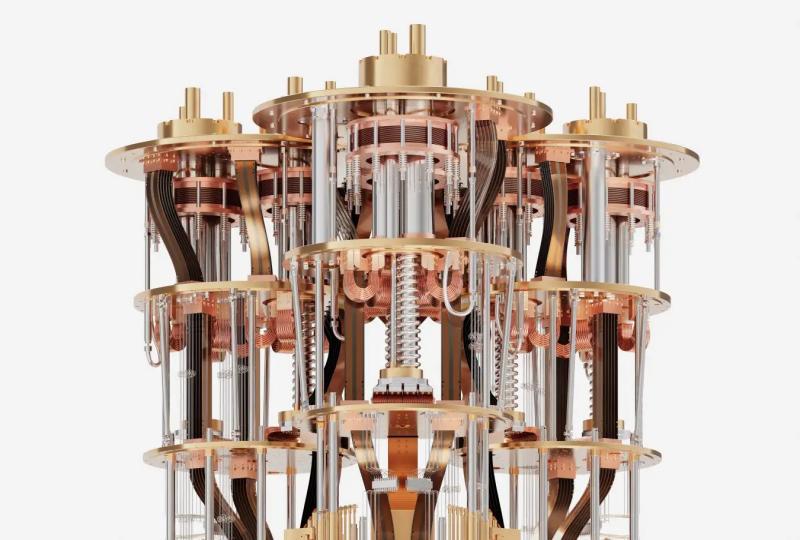
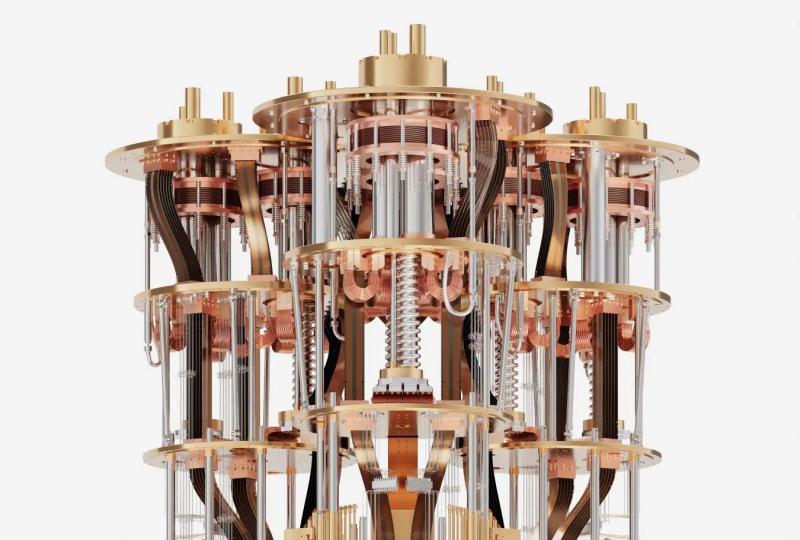
Modern quantum processors come in several hardware flavors, including superconducting qubits, trapped ions, photonics, and NMR‑based systems. Superconducting platforms have advanced rapidly, achieving devices with more than one hundred qubits and demonstrating strong performance on benchmark tasks that showcase quantum computational advantage.
At the same time, educational and desktop systems, such as SpinQ’s NMR‑based quantum computers, have opened quantum access to classrooms and smaller labs, emphasizing usability over scale. These devices do not compete with classical supercomputers on raw performance, but they are crucial for building the expertise and intuition that larger quantum systems will rely on.
SpinQ’s role in the quantum ecosystem
SpinQ has become one of the first companies to deliver desktop and portable quantum computers to users across five continents, bringing quantum experiments out of specialized labs. Our systems are widely used in K‑12 schools and universities, where they support training in quantum information, physics, and computer science. This broad deployment has been recognized by international media as an important milestone in making quantum computing a practical tool rather than a distant concept.
Beyond education, SpinQ’s work on superconducting quantum chips and integrated quantum systems positions us to support advanced research and industry pilots. By offering high‑performance superconducting quantum computers with strong coherence and scalable architectures, we complement our desktop NMR devices and provide a path for organizations to grow their quantum capabilities over time.
You can learn more about these advanced platforms on our superconducting quantum computer product page.
A realistic roadmap to quantum impact
The journey toward machines that might deserve the label “quantum super computer” will be gradual. It will involve combining incremental improvements in hardware, algorithms, and classical‑quantum integration, while continuously validating performance through transparent benchmarks.
For end users, the best strategy is to start building quantum literacy now, using accessible systems to explore algorithms, error mechanisms, and potential use cases. SpinQ’s portfolio is designed to support this journey, enabling institutions of all sizes to participate in the quantum transition and prepare for future breakthroughs in a grounded, hands‑on way.
Featured Content