
Quantum Computing System Integration Solutions
2026.06.03 · Blog quantum computing system integration
Why Quantum Computing System Integration Matters
As quantum computing matures, organizations increasingly ask how quantum systems can be integrated into their existing infrastructure rather than operated as isolated experiments. System integration ensures that quantum resources can be accessed securely, orchestrated alongside classical workloads, and maintained within established IT processes. Without thoughtful integration, even advanced quantum hardware may remain underused.
Our focus on superconducting quantum solutions naturally extends to integration services and architectures. We design our systems to fit into diverse environments, from national labs and universities to industrial research centers and cloud platforms. This integration perspective helps customers see quantum computing not as a standalone curiosity but as a practical part of their technology landscape.
Hardware Integration: From Cryostat to Data Center
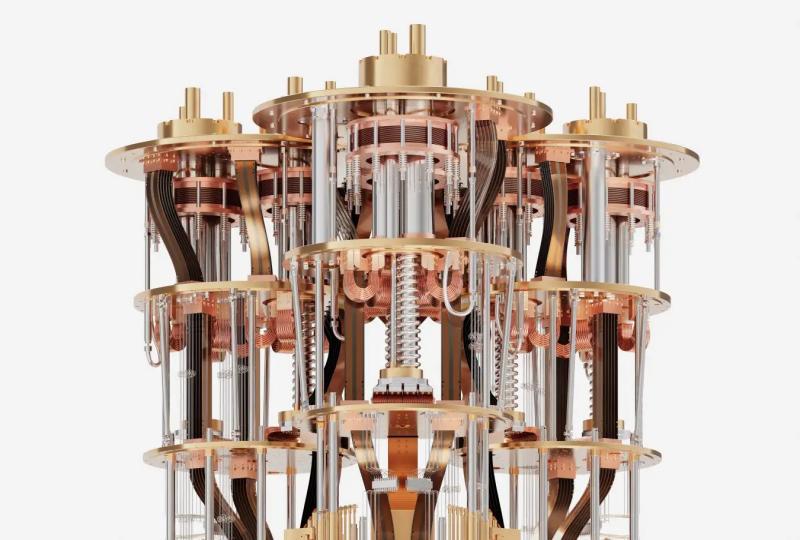
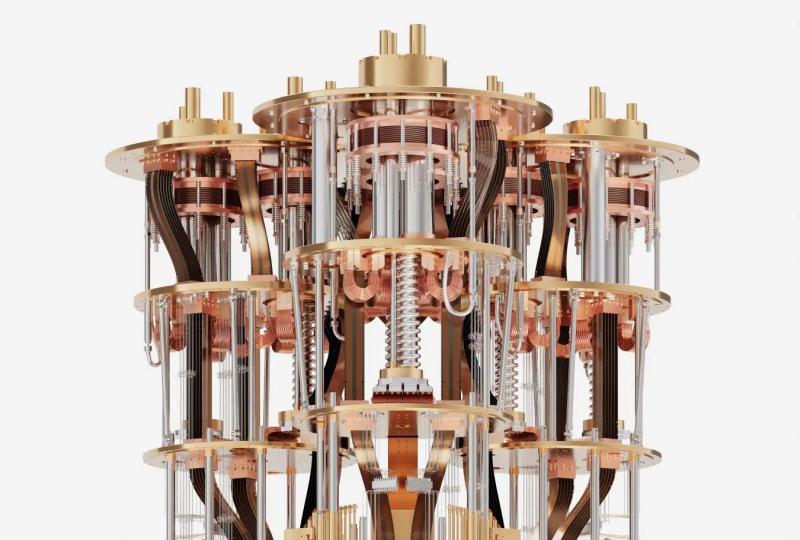
Superconducting quantum computers require specialized hardware environments, including cryogenic systems and microwave control electronics. Integrating such hardware into a laboratory or data center involves careful planning of space, power, cooling, and networking. Our cryogenic deployment solutions and modular control racks are designed to simplify this process.
We support customers with site assessments, layout planning, and installation services that align hardware requirements with facility constraints. This includes planning for future expansion, so additional quantum modules can be added without major rework. By standardizing hardware interfaces and deployment processes, we reduce the complexity and risk associated with introducing superconducting quantum systems into existing facilities.
Control and Measurement System Integration
At the core of any quantum computing system is its control and measurement stack, which generates and processes signals that manipulate and read out qubits. Integrating this stack involves synchronizing timing, managing data flows, and ensuring compatibility with higher‑level orchestration software. Our quantum control and measurement systems are built to interface with both on‑premises and cloud‑based infrastructure.
We provide APIs and software development kits that let customers integrate our control systems into their experiment frameworks and automation pipelines. This flexibility supports diverse use cases: traditional physics experiments, algorithm development, and integrated workflows that connect quantum resources with classical compute clusters. The result is a control environment that acts as a bridge between hardware and software layers.
Software Integration and Cloud Access
Quantum computing system integration also requires careful attention to software. Users need ways to program quantum circuits, submit jobs, and manage results in a consistent and secure manner. Many organizations prefer to access quantum resources through existing cloud platforms or internal portals, rather than bespoke interfaces. Our software stack supports these preferences through standardized APIs and optional cloud‑based access.
We offer integration options that connect our superconducting quantum systems to cloud platforms and workflow engines, enabling users to treat quantum jobs similarly to other compute tasks. This includes authentication, user management, and job scheduling mechanisms that align with organizational policies. By providing these software pathways, we make it easier for different teams—research, IT, and business units—to collaborate around quantum resources.
Integrating Quantum into Existing Workflows
Beyond hardware and software, quantum computing system integration means embedding quantum capabilities into actual workflows. For example, research teams may integrate quantum algorithms into simulation pipelines, while enterprises may explore hybrid workflows that combine classical optimization with quantum subroutines. Achieving this requires both technical integration and process adaptation.
We work with customers to identify use cases where quantum resources can complement existing tools. Our experts help design proof‑of‑concept projects and pilot integrations, demonstrating how superconducting quantum systems can be invoked from familiar environments such as scientific computing frameworks or data analytics platforms. This collaborative approach builds organizational experience and helps teams understand when and how quantum adds value.
Security, Governance, and Lifecycle Management
Integrating quantum computing into an organization also raises questions about security, governance, and lifecycle management. Access control, audit logging, and compliance with internal policies are essential for sensitive projects. Our systems support these requirements by providing role‑based access mechanisms, monitoring tools, and integration points for existing security frameworks.
Lifecycle management is another key aspect. Quantum systems may undergo regular upgrades, both at the hardware and software levels. We provide maintenance plans, upgrade paths, and documentation that help IT and operations teams plan for these changes. By treating quantum systems as managed infrastructure, organizations can integrate them into their established governance processes and long‑term roadmaps.
A Partner for Your Integration Journey
Quantum computing system integration is not a one‑time project but an ongoing journey. As technology evolves, architectures and best practices will continue to change. We position ourselves as a long‑term partner for organizations taking this journey, offering not only superconducting quantum hardware but also integration expertise and support.
By working with us, customers gain a single point of contact for full‑stack quantum solutions—from QPUs and cryogenic deployment to control systems and software integration. This holistic approach reduces integration risk and accelerates time to value. Whether you are a national lab, a university, or an industrial innovator, we help ensure that quantum computing fits naturally into your existing systems and strategies.
Featured Content