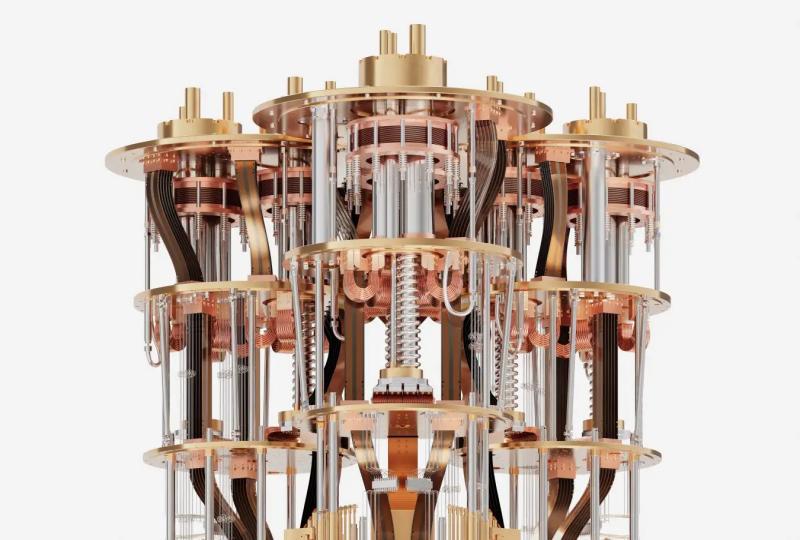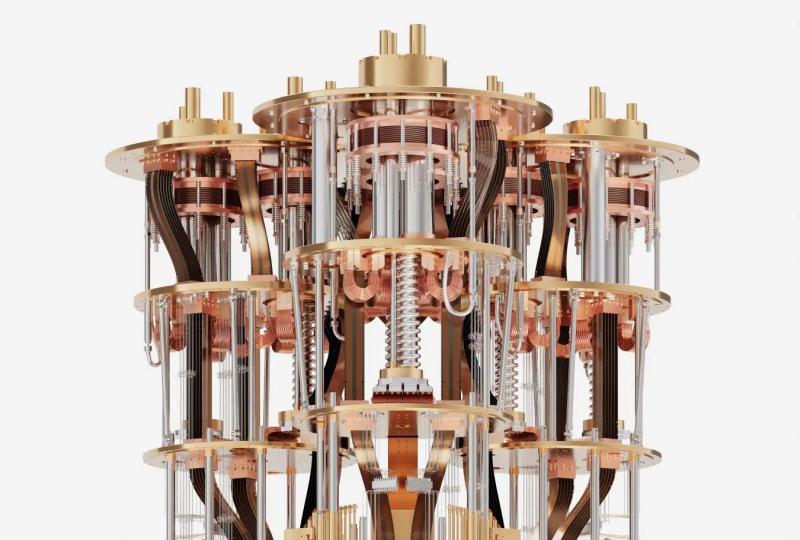

Quantum Computing Hardware for Universities: Key Selection Guide
2026.07.24 · Blog Quantum Computing Hardware for Universities
Introduction
Universities are entering a more demanding phase of quantum education. Employers, research institutes, and government programs increasingly expect graduates to understand not only quantum theory, but also the physical systems that make quantum computation possible. For that reason, Quantum Computing Hardware for Universities is no longer a niche procurement topic. It is becoming part of how academic institutions build competitive research capacity and prepare students for the realities of the field.
Cloud platforms have helped many universities introduce quantum computing courses quickly. They are accessible, flexible, and useful for teaching basic algorithms. But cloud access has clear limits when the goal is deeper learning. Students can submit circuits and receive results, yet they often do not see how those results were produced. That makes it difficult to understand compilation, calibration, qubit connectivity, measurement behavior, and hardware noise in a meaningful way.
A university that wants to train the next generation of quantum researchers cannot rely on abstraction alone. Students need exposure to the full workflow, from circuit design to compiled execution to physical measurement. That is where hardware becomes a teaching instrument, not just a computing resource.
Why Universities Need Advanced Quantum Computing Hardware
The quantum talent pipeline is still developing, and universities sit at the center of that pipeline. Research groups need graduate students who can work across disciplines. Industry needs engineers who understand both software and physical devices. Even undergraduate programs are beginning to recognize that quantum literacy now includes more than writing circuits in a simulator.
This is why universities should think carefully about hardware acquisition. A good platform does more than produce outcomes. It gives students a chance to understand why outcomes vary, how device behavior changes over time, and what technical constraints shape real experiments. That kind of learning is difficult to achieve through simulation alone.

Learning Beyond Algorithms
There is a meaningful difference between learning quantum algorithms and learning quantum engineering. Algorithm training focuses on logic, mathematical structure, and problem design. Engineering training adds the physical reality of the system. Students must learn how device architecture influences circuit execution, how calibration affects reliability, and how hardware limitations change what is possible in practice.
Building Real Technical Intuition
If universities want students to move into experimental work, they need to give them access to those layers early. Real hardware helps students develop technical intuition faster because they can connect theory with actual machine behavior. That connection is often missing in software-only education.
Cloud vs Physical Learning
Cloud quantum platforms are valuable, especially for institutions that need broad access without maintaining local equipment. They make it easier to run experiments remotely, support large classes, and reduce the burden of system maintenance. For introductory education, cloud systems can be an efficient first step.
However, cloud learning is often too abstract for advanced instruction. Students usually cannot inspect the low-level behavior of the device or see how physical constraints affect execution. They may not know which qubits were assigned to the circuit, how the compiler optimized the job, or how calibration data influenced the result. In many cases, they only see the output, not the machine behind it.
What Cloud Platforms Offer
Cloud access supports easy entry, remote use, and lower operational cost. It is especially helpful for universities that need to scale participation across many students or departments. It can also support distributed collaboration between institutions.
Where Cloud Learning Falls Short
The limitation is visibility. Students cannot always observe qubit allocation, compiler behavior, calibration records, or hardware noise in a direct way. This makes it harder to connect a written circuit with the physical execution process. The result is a learning experience that is convenient, but not fully complete.
Why Physical Hardware Still Matters
Physical hardware gives students the process itself. They can see the transition from quantum circuit design to compilation, physical qubit operation, and measurement results. That end-to-end view helps them understand why execution differs from simulation and why hardware-aware thinking is essential in advanced quantum work.
The best educational strategy is usually not cloud or hardware, but both. Cloud access can support accessibility and scale, while physical hardware supports depth and realism. Universities that combine these two layers can serve a broader range of students and still preserve the hands-on experience that advanced training requires.
Key Factors in Selection
When universities evaluate quantum hardware, they should avoid reducing the decision to qubit count. A larger number of qubits may look impressive, but it does not automatically create better learning or better research conditions. The more important question is whether the platform helps students and researchers understand the full system.
Hardware Transparency
Transparency is one of the most important criteria. Universities should look for systems that reveal the structure of the device, the connectivity between qubits, the calibration state, and basic performance behavior. Without this information, students cannot connect the architecture of the machine to the behavior of their program.
Hardware transparency also improves teaching quality. Instructors can use it to explain why some circuits execute more reliably than others, why layout matters, and how error sources appear in real experiments. For research groups, transparent systems are useful because they create opportunities to study the relationship between device behavior and software decisions.
Educational Value
Educational value should be measured by how well the platform supports learning at different levels. A university system should be useful in an introductory classroom, a graduate lab, and an interdisciplinary research environment. It should help students move from conceptual understanding to experimental practice without requiring them to leap over too many hidden layers.
A platform with strong educational value allows faculty to design structured exercises. Students can compare simulated and physical results, observe the effect of noise, and examine how circuit complexity affects measurement. This builds a more realistic understanding of quantum technology than software-only instruction can provide.
Research Capability
Universities also need hardware that supports research, not just teaching. Research capability includes experimentation, hardware-software interaction studies, device behavior analysis, and the ability to explore how real systems respond under varying conditions. These are the kinds of questions that graduate students and faculty often care about.
A useful academic platform should therefore be open enough to support inquiry. Researchers should be able to test assumptions, explore device constraints, and connect theory with observed behavior. If the hardware only works as a closed black box, it may still be useful for demonstrations, but its value for research is limited.
Reliability and Support
Reliability matters because academic use is repetitive and time-sensitive. A university lab is not a one-time demo environment. It has scheduled classes, project deadlines, and research timelines. Hardware that is difficult to maintain or unstable under regular use becomes a barrier to education.
Support is equally important. Universities need systems that can be sustained over time, especially if local faculty and lab staff are still developing internal expertise. Long-term usability depends on more than the machine itself. It also depends on how well the institution can operate, explain, and integrate the system into its curriculum and research workflows.
Why Transparency Matters
Transparent quantum systems help students understand the full chain of execution. They can see how the circuit maps to the device, how the compiler changes the program, how calibration data influences the experiment, and how measurement results are produced. That visibility turns a quantum computer into a learning environment, not just a remote service.
This is especially valuable in higher education because it changes the way students think about the field. At first, many students approach quantum computing as programming. They learn syntax, gates, and algorithmic patterns. But with transparent hardware, they begin to see quantum computing as engineering. They learn that hardware constraints matter, that physical systems drift, and that measurement is part of the problem, not just the result.
That shift is important for the future workforce. Quantum engineers, experimental researchers, and hardware-aware software developers all need to understand how the machine behaves at the physical level. Universities that provide this exposure are building stronger technical foundations for their students.
How SPINQ Supports Universities
SPINQ provides quantum computing hardware solutions designed for universities and research organizations. From an academic perspective, its value lies in helping institutions build practical learning and research environments that are centered on real hardware access. This kind of setup is relevant for universities that want more than simulated instruction.
 (1).png)
SPINQ can help institutions create environments for hands-on exploration, academic research, and quantum technology training. That is important because many universities still face a gap between theoretical teaching and physical systems. Students may understand the mathematics, but they often have limited access to devices that make the engineering side visible. A hardware-oriented educational environment helps close that gap.
SPINQ also addresses a practical challenge in higher education: limited access to quantum infrastructure. Not every university can maintain a large-scale research platform, and not every program can rely exclusively on cloud-based tools. In that context, solutions that support direct interaction with physical systems can improve how students learn and how faculty design experiments.
This does not mean every university needs the same deployment model. Some institutions will prioritize classroom use. Others will focus on research labs. Others may need a mixed environment that supports both teaching and experimentation. The important point is that SPINQ’s role is to help institutions establish a more realistic quantum education base, rather than forcing them to rely only on abstract tools.
The Future of University Quantum Education
Quantum education in universities will continue to mature over the next several years. More departments will add quantum topics to physics, computer science, and engineering programs. More research groups will need access to hardware that supports experimentation. And more students will be expected to graduate with some understanding of how physical quantum systems operate.
As this happens, hardware literacy will become more important. Universities will not be judged only by whether they teach quantum concepts. They will also be judged by whether they give students meaningful access to actual systems. That access helps students understand device limitations, performance tradeoffs, and the relationship between a theoretical model and a physical machine.
Hardware Will Shape Curriculum
Transparent platforms will be especially valuable in that environment. They help future engineers learn how to think across the stack, from algorithm design to system calibration and measurement interpretation. That is the kind of knowledge that supports long-term workforce development.
Practical Training Will Gain Value
Practical quantum education will also become more important for institutional strategy. Universities that invest in hands-on hardware will be better positioned to attract research partnerships, support grant applications, and prepare students for specialized technical roles. In the long run, that makes infrastructure decisions part of academic competitiveness.
Conclusion
The future of university quantum education depends on choosing platforms that provide transparency, learning value, research capability, and practical experience. Qubit count alone is not enough to determine whether a system is educationally useful. Institutions need hardware that helps students understand how quantum circuits become physical operations and how those operations produce measurement results.
For academic leaders and research managers, Quantum Computing Hardware for Universities should be evaluated as a long-term investment in teaching, research, and workforce preparation. Universities that prioritize the full learning stack will build stronger programs, deeper expertise, and better outcomes for the next generation of quantum professionals.
Featured Content