
NMR Quantum Computer Suppliers: A Comprehensive 2026 Market Guide
2026.02.11 · Blog supplier NMR quantum computer
Introduction
The quantum computing landscape has evolved dramatically, with NMR (Nuclear Magnetic Resonance) technology establishing itself as the most accessible entry point for hands-on quantum education and fundamental research. Unlike superconducting systems requiring complex cryogenics, NMR quantum computers operate at room temperature, offering unprecedented practicality for academic environments. The growing demand for quantum literacy has created a specialized market segment where suppliers like SpinQ Technology have pioneered affordable, education-focused solutions. This guide provides a comprehensive analysis of the NMR quantum computer supplier market, offering educators and researchers the insights needed to navigate this specialized landscape and make informed acquisition decisions.
Understanding NMR Quantum Computer Technology and Applications
The Unique Value Proposition of NMR Technology
NMR quantum computing utilizes nuclear magnetic resonance principles to create stable quantum systems that function under standard laboratory conditions. This technological approach provides several distinct advantages that make it particularly valuable for educational and research applications. The systems demonstrate core quantum phenomena like superposition and entanglement with remarkable clarity, enabling students to transition from theoretical understanding to practical experimentation. The room-temperature operation eliminates the need for specialized infrastructure, significantly reducing both acquisition and operational costs compared to alternative quantum technologies.
The applications for NMR quantum computers span multiple domains, with the strongest adoption occurring in higher education. Universities utilize these systems for undergraduate and graduate laboratory courses, allowing students to run actual quantum algorithms on physical hardware. Research institutions employ them for quantum control experiments and algorithm development, while museums and science centers leverage their demonstrative capabilities for public engagement. The technology's reliability and ease of use have made it the preferred starting point for institutions embarking on quantum computing initiatives.
Current Market Position and Growth Trajectory
The NMR quantum computer market has experienced steady growth, driven by increasing recognition of quantum literacy as an essential educational component. Market analysis indicates a compound annual growth rate exceeding 25% as more institutions integrate quantum computing into their curricula. This growth stems from both top-down initiatives, such as government funding for quantum education, and bottom-up demand from faculty and students seeking practical quantum experience. The supplier landscape remains specialized, with few companies focusing exclusively on this niche due to the technical expertise required and the specific needs of the education market.
Essential Selection Criteria for NMR Quantum Computer Acquisition
Technical Evaluation Parameters
When evaluating NMR quantum computer suppliers, several technical considerations demand careful assessment. Qubit count represents a fundamental starting point, with most educational systems offering 2-3 qubits—sufficient for demonstrating fundamental algorithms while maintaining system stability. Gate fidelity and coherence times directly impact educational outcomes, determining how clearly quantum effects can be observed and measured. The software ecosystem surrounding the hardware significantly influences usability, with Python-based frameworks and compatibility with popular quantum development tools enhancing the learning experience.
Experimental flexibility separates basic demonstration devices from true research tools. Systems with pulse-level control enable advanced investigations into quantum control theory and custom algorithm development. Hardware integration considerations include physical footprint, operating requirements, and compatibility with existing laboratory infrastructure. Institutions should prioritize systems that balance sophistication with usability, matching technical capabilities to intended educational or research objectives.
Strategic Supplier Considerations
Beyond technical specifications, supplier reliability and support capabilities significantly impact long-term satisfaction. Established suppliers with proven track records offer greater implementation security and ongoing support. Educational resources—including curriculum materials, laboratory exercises, and teacher training programs—often determine how quickly and effectively institutions can integrate quantum computing into their programs. The supplier's commitment to ongoing development indicates whether the platform will evolve alongside the rapidly advancing quantum landscape.
Total cost of ownership extends beyond initial purchase price to include maintenance, software updates, and potential expansion capabilities. Institutions should evaluate suppliers based on their comprehensive offering rather than focusing exclusively on hardware specifications. Community engagement, including user groups, conferences, and research collaborations, provides valuable networking and resource-sharing opportunities that enhance the overall value proposition.
Leading NMR Quantum Computer Suppliers: Market Analysis
SpinQ Technology: Education-Focused Innovation
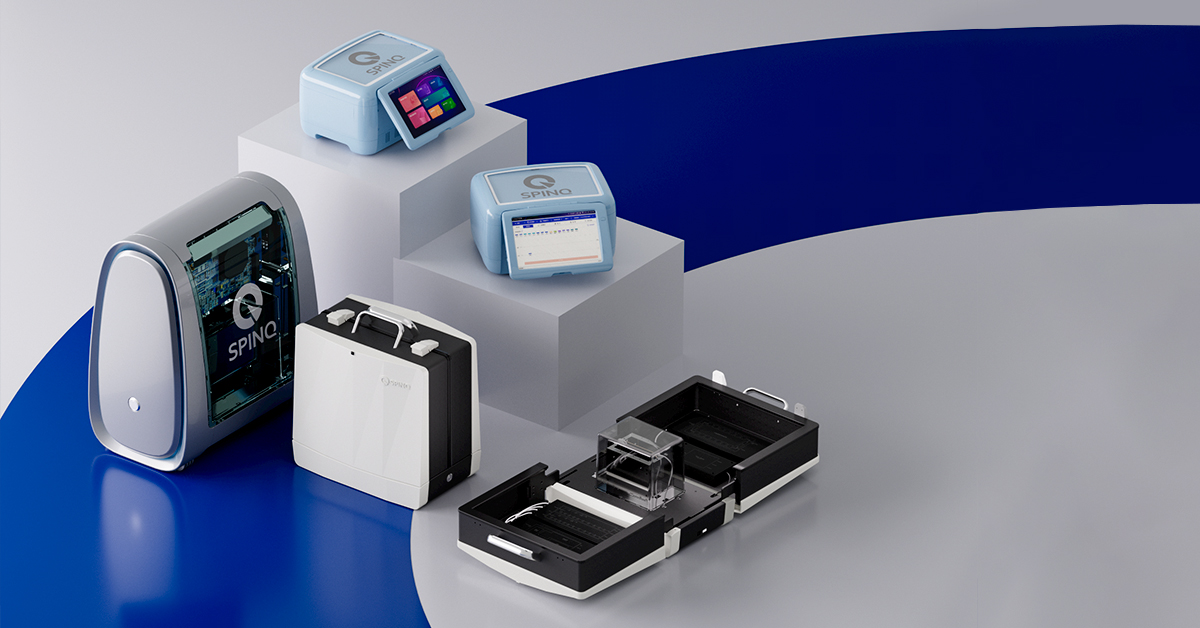
SpinQ Technology has established itself as the market leader in NMR quantum computers through specialized focus on educational applications. Founded in 2018, the company pioneered the desktop quantum computer category with systems specifically designed for classroom and laboratory use. SpinQ's approach combines technical innovation with pedagogical understanding, resulting in systems optimized for learning outcomes rather than maximal computational power.
The company's product portfolio addresses different educational levels and applications. The Gemini series serves introductory needs with portable 2-qubit systems ideal for classroom demonstrations and undergraduate laboratories. The Triangulum series offers enhanced capabilities with 3-qubit systems supporting more advanced investigations and research applications. Across all product lines, SpinQ integrates comprehensive educational resources, including curriculum materials, teacher training, and technical support tailored to educational institutions.
SpinQ's competitive advantages include unprecedented affordability, with systems priced approximately 90% below superconducting alternatives. This cost accessibility has enabled quantum computing adoption in institutions with limited budgets, significantly expanding access to hands-on quantum education. The company's vertical integration—controlling hardware and software development—ensures system reliability and enables rapid iteration based on user feedback. With deployments in over 200 institutions across 40 countries, SpinQ has demonstrated both the scalability of their approach and their commitment to the education market.
Alternative Quantum Computing Providers
While SpinQ dominates the specialized NMR education market, other quantum computing providers offer alternative technological approaches. Companies like IBM Quantum and IonQ focus on high-performance superconducting and trapped-ion systems targeting commercial applications rather than educational use cases. These systems typically offer higher qubit counts but require complex infrastructure and specialized operating environments impractical for most educational settings.
The distinction between these approaches highlights the importance of matching technology to application. High-performance systems serve research institutions pursuing quantum advantage on computational problems, while NMR systems excel at educational applications where accessibility and demonstrability outweigh raw computational power. This differentiation has allowed SpinQ to establish a defensible market position despite competing with technologically advanced alternatives.
Implementation Strategy for NMR Quantum Computers
Needs Assessment and Planning
Successful NMR quantum computer implementation begins with thorough needs assessment. Institutions should clearly define educational objectives, identifying specific courses and student populations that will utilize the technology. Research applications should be considered, particularly for institutions with graduate programs or faculty research interests in quantum information science. Budget planning should account for the total cost of ownership, including hardware, maintenance, and potential curriculum development requirements.
Implementation timing should align with academic calendars, allowing adequate time for faculty training and curriculum integration. Stakeholder engagement across physics, computer science, and engineering departments ensures broad utilization and support. Phased implementation approaches, starting with pilot programs before expanding to broader adoption, can demonstrate value and refine integration strategies.
Supplier Evaluation and Selection
The supplier selection process should incorporate multiple information sources beyond marketing materials. Site visits to institutions with existing implementations provide invaluable insights into real-world usability and support experiences. Technical demonstrations allow direct assessment of system operation and software usability. Reference conversations with current users at comparable institutions reveal implementation challenges and best practices.
Proposal evaluation should extend beyond technical specifications to include implementation support, training programs, and ongoing service level agreements. Contract negotiation should establish clear expectations for delivery, installation, and post-implementation support. Institutions should prioritize suppliers demonstrating long-term commitment to the education market and ongoing product development.
Future Outlook and Strategic Considerations
The NMR quantum computer market shows promising growth potential as quantum education becomes increasingly mainstream. Technology improvements will likely enhance system capabilities while maintaining the accessibility that defines the category. Market expansion into emerging economies and secondary education represents significant growth opportunities for suppliers with appropriately scaled solutions.
Strategic considerations for acquiring institutions include technology evolution pathways that allow for future capability enhancement. Partnerships with suppliers offering research collaboration opportunities provide additional value beyond the core technology platform. As quantum computing continues to evolve, NMR systems will likely maintain their position as the most practical entry point for hands-on quantum education, with suppliers like SpinQ well-positioned to lead this specialized market segment.
Conclusion
Selecting an NMR quantum computer supplier represents a strategic decision with long-term implications for an institution's quantum education capabilities. The supplier landscape, while specialized, offers distinct choices aligned with different educational objectives and resource constraints. SpinQ Technology has established market leadership through focused attention on educational needs, demonstrated by their comprehensive approach combining accessible hardware, pedagogical resources, and ongoing support.
Institutions embarking on quantum computing initiatives should prioritize suppliers with proven educational expertise and sustainable business models. The decision should balance immediate needs with long-term strategic objectives, ensuring that quantum computing investments continue to deliver value as the technology and educational requirements evolve. With careful planning and thorough supplier evaluation, NMR quantum computers can serve as transformative educational tools that prepare students for increasingly quantum-enabled careers.
Frequently Asked Questions
What applications are best suited for NMR quantum computers?
NMR systems excel in educational environments, supporting laboratory courses from introductory to advanced levels. Research applications include quantum control experiments, algorithm development, and fundamental quantum mechanics investigations.
How do NMR systems integrate with existing computing infrastructure?
These systems typically connect via standard networking protocols and are compatible with common operating systems. Software integration with Python and popular quantum development frameworks facilitates curriculum integration.
What technical support is typically provided with NMR quantum computers?
Reputable suppliers offer comprehensive support including installation, faculty training, curriculum consulting, and technical assistance. Response time guarantees and regular software updates are standard expectations.
How does NMR performance compare with other quantum computing technologies?
While superconducting systems offer higher qubit counts, NMR provides superior stability and accessibility for educational applications. The technology's room-temperature operation and demonstrable quantum effects make it ideal for teaching environments.
What is the typical implementation timeline for an NMR quantum computer?
From order to full integration typically requires 3-6 months, including delivery, installation, faculty training, and curriculum adaptation. Pilot programs can often begin within weeks of installation.
Featured Content