
Superconducting Quantum Computers for Universities
2026.08.05 · Blog for universities superconducting quantum computer
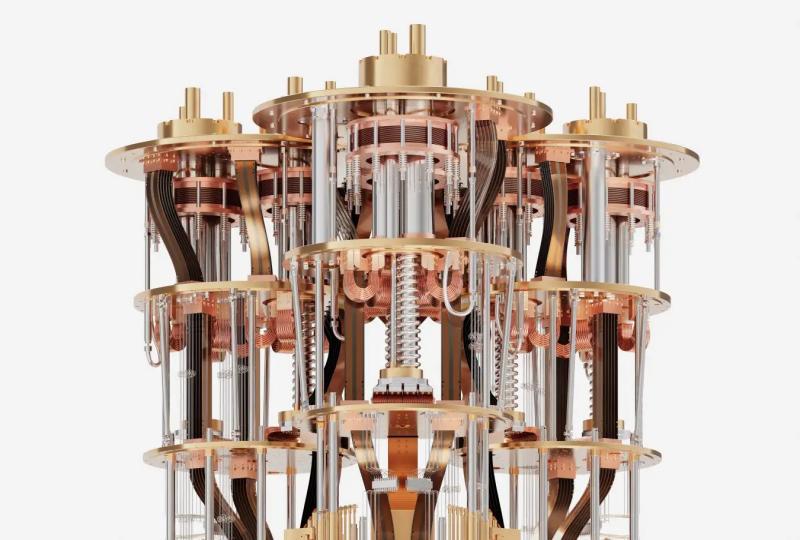
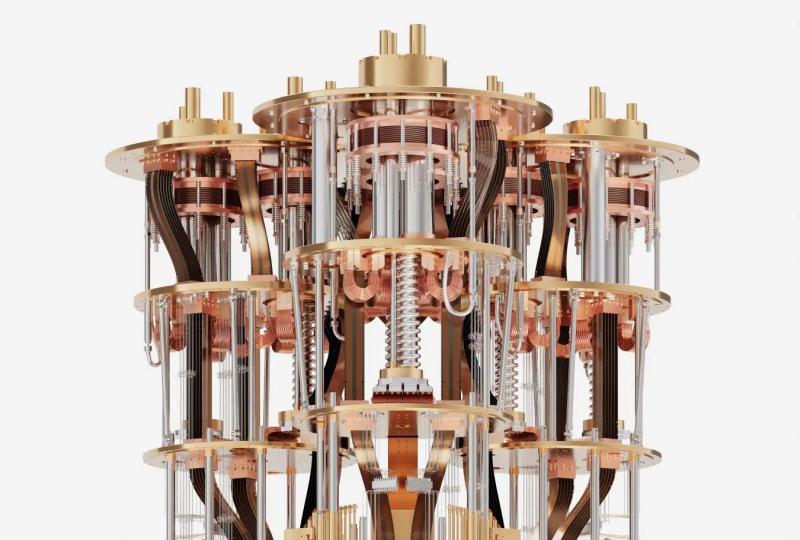
Universities are becoming a key force in the development of quantum computing. As research groups, teaching labs, and innovation centers look for practical ways to engage with this field, the superconducting quantum computer stands out as one of the most relevant platforms for academic use. It combines research value with a hardware architecture that can support experimentation, education, and long-term scientific development.
For universities, the goal is not only to study quantum computing in theory. The real opportunity is to build a learning and research environment where students and faculty can interact with authentic quantum hardware, explore system-level concepts, and develop the skills needed for the next generation of quantum technologies. A superconducting quantum computer can help make that possible.
Why Universities Need Quantum Hardware Access
Quantum computing is difficult to understand through textbooks alone. Students learn faster when they can connect abstract ideas to real devices, control systems, and experimental workflows. This is where superconducting quantum hardware becomes especially useful. It helps universities move beyond simulation and into practical research and education.
Academic teams often need access to hardware that can support multiple use cases, including quantum physics, computer science, materials science, control engineering, and applied mathematics. A superconducting quantum computer is valuable because it can serve as a shared platform for different departments and research goals. That makes it more than a machine; it becomes an educational and research resource.
Supporting Teaching and Research Together
One of the strongest advantages of superconducting quantum systems in universities is their flexibility. They can support both classroom learning and advanced research projects. For example, students may study basic qubit behavior, while graduate researchers investigate calibration methods, circuit design, or quantum algorithms.
This layered use case matters because universities often need equipment that can serve many audiences at once. A platform designed for academic environments should be able to support structured teaching, experimental projects, and faculty-led innovation. That is why superconducting quantum computer solutions are increasingly relevant for higher education institutions building quantum programs.
A Practical Path for Campus Deployment
When universities consider quantum hardware, they also need to think about infrastructure. Lab space, cryogenic support, control electronics, and system integration all matter. The good news is that modern superconducting quantum computer deployments can be planned in a way that fits academic environments more naturally than many people expect.
At SpinQ, we understand that universities need more than hardware specifications. They need reliable deployment planning, clear documentation, and a system that fits into existing research operations. Our approach focuses on practical integration, from hardware preparation to control system coordination, so academic teams can focus on research rather than operational complexity.
For institutions exploring deployment models, a helpful starting point is our quantum computer cryogenic deployment, which explains how system installation can be structured for stable operation.
Building a Quantum Learning Environment
A university quantum program works best when the hardware is connected to curriculum, lab exercises, and research mentorship. A superconducting quantum computer can support all three. It gives students exposure to real-world quantum system behavior, helps instructors design meaningful experiments, and provides researchers with a platform for technical exploration.
This is especially valuable for universities that want to prepare students for careers in quantum software, hardware engineering, scientific research, or advanced manufacturing. Exposure to actual superconducting systems helps learners understand the relationship between theory and implementation. That understanding is difficult to build without direct access to a working platform.
Cross-Disciplinary Value on Campus
Quantum computing is not limited to physics departments. Universities often bring together faculty from engineering, materials science, computer science, and applied research centers. A superconducting quantum computer can act as a shared resource across these groups.
For example, a computer science team may focus on algorithms, while an engineering team studies control signals or hardware stability. A physics lab may investigate coherence behavior or device-level characteristics. This cross-disciplinary structure makes superconducting quantum systems especially attractive for universities aiming to build broader innovation ecosystems.
Why Hardware Design Matters
In academic settings, the design of the quantum hardware affects usability, reliability, and training value. A well-structured superconducting quantum computer should support stable experiments, system observability, and meaningful interaction with the control stack. Universities benefit when the platform is designed for both practical research and educational access.
That is why many academic institutions also pay close attention to the surrounding ecosystem, including control systems, measurement infrastructure, and integration support. These elements help ensure the hardware can be used effectively in daily academic work rather than remaining a theoretical asset.
If your team is also evaluating the broader technical stack, our quantum control and measurement system offers a useful overview of the operational side of superconducting quantum computing.
Preparing Students for the Quantum Industry
A university-based superconducting quantum computer can also strengthen workforce development. Students who learn on real hardware gain a practical perspective that can benefit them in research labs, startups, and advanced technology companies. They become familiar with the realities of calibration, measurement, system coordination, and quantum experimentation.
This practical experience is increasingly important. As the quantum sector grows, employers will look for candidates who understand both the science and the engineering behind quantum systems. Universities that provide access to superconducting platforms can help close that gap.
SpinQ’s Role in Academic Quantum Development
SpinQ supports quantum education and research with a focus on usable, scalable, and application-oriented systems. For universities, that means more than delivering hardware. It means helping institutions build a long-term quantum capability that can support teaching, experimentation, and collaboration.
Our superconducting quantum computer solutions are designed to help academic teams move from interest to implementation. Whether the goal is to launch a new quantum lab, expand an existing research program, or support advanced student training, the right platform can make a meaningful difference.
Conclusion
For universities, a superconducting quantum computer is more than an advanced research tool. It is a foundation for education, collaboration, and innovation. With the right deployment strategy and support structure, universities can build quantum environments that benefit students, faculty, and research partners alike.

Featured Content