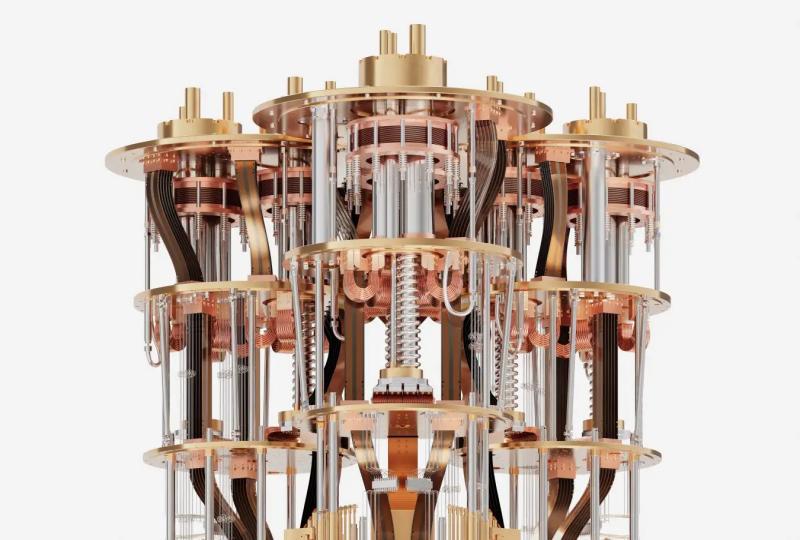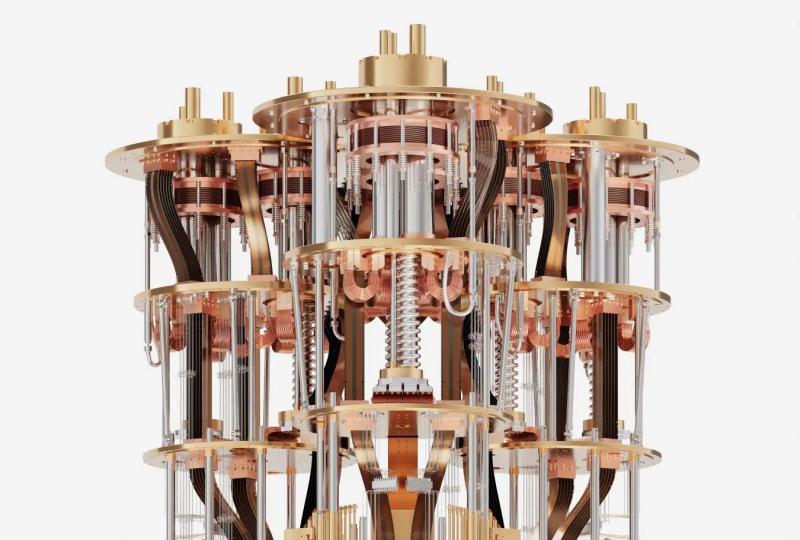

Research-Grade Superconducting Quantum Computer For Labs
2026.07.30 · Blog research-grade Superconducting Quantum Computer
What Makes It Research-Ready
A research-grade superconducting quantum computer is not defined only by qubit count or a single benchmark number. What makes it research-ready is its ability to support real scientific work over time. That includes stable operation, repeatable calibration, flexible access for experiments, and enough integration with the surrounding system to be genuinely useful in a lab environment.
For advanced users, the difference is easy to feel. A demo machine may show something interesting once. A research-grade system has to support repeated experiments, deeper tuning, and longer-term exploration. It should give researchers room to test hypotheses, modify workflows, and build on earlier results without constantly fighting the hardware.
That is why research-grade systems matter so much to universities, national labs, and industrial R&D teams. They are not just buying a device. They are buying a platform that can support serious scientific work and evolve with the program around it.
From Demonstration to Real Use
Many people first encounter superconducting quantum computers through cloud access or simple demonstrations. Those experiences are useful, but they do not always reflect what it takes to run a machine in a research setting. Research use is more demanding because the system has to behave predictably under repeated pressure.
A research-grade system must handle more than simple circuit execution. It needs to support calibration workflows, parameter adjustments, measurement routines, and more advanced forms of analysis. Researchers often want to explore the chip itself as much as the algorithms it runs. That means they need a system that can expose meaningful control without becoming unstable.
This is one reason the term “research-grade” matters. It signals that the hardware has been developed for sustained work, not just for a polished demonstration. In practical terms, it means the system is expected to be usable, inspectable, and reliable enough for deep technical investigation.

What Labs Actually Need
A research-grade superconducting quantum computer should support a wide range of experimental goals. Some teams focus on hardware behavior, while others focus on quantum algorithms, benchmarking, or system integration. The hardware has to be flexible enough to serve all of those use cases.
The most important needs usually include:
-
Stable qubit performance over repeated operation.
-
Clear calibration and tuning workflows.
-
Access to measurement and control layers.
-
Compatibility with experimental software.
-
A path for system-level expansion or modification.
These requirements matter because researchers often need to go beyond fixed usage patterns. They may want to change pulse sequences, compare device behavior across time, or test how the system responds under different configurations. A research-grade machine has to make that possible without forcing every experiment into a narrow preset mode.
Another key point is reproducibility. If a lab is going to spend real time and money on a quantum system, it needs results that can be tracked and repeated. That is difficult when hardware is too fragile or too opaque. Research-grade design tries to reduce that problem by making the system easier to understand and control.
Why the Control Layer Matters
A superconducting quantum computer is only as useful as the control layer around it. In research environments, this is especially important because users often need a high degree of visibility into how the system behaves. The control layer does not just send signals. It shapes the whole experimental workflow.
For a system to be research-grade, the control environment must support both routine use and advanced experimentation. That means precise timing, stable readout, and tools that allow researchers to monitor and adjust the system. If the control layer is too rigid, the machine becomes hard to study. If it is too loose, the machine becomes hard to trust.
This is where system design becomes just as important as chip design. Researchers want to understand how the qubits respond, how the signals are delivered, and how the measurement process behaves under different conditions. A mature control stack gives them that access without overwhelming the workflow.
Deployment Makes the Difference
A research-grade superconducting quantum computer also depends heavily on deployment quality. Even a strong chip can underperform if the cryogenic environment, packaging, or wiring is not handled well. The research setting demands stability because the work being done is often sensitive to small differences in operating conditions.
That means deployment is not just a facilities issue. It is part of the scientific environment. A lab needs the system to remain stable enough that researchers can focus on experiments instead of constant maintenance. If the deployment is fragile, the machine becomes much harder to use for serious work.
This is one of the reasons integrated systems matter. A research-grade machine should not require the user to coordinate every piece from scratch. The better the deployment planning, the faster the team can move from installation to useful work. In research settings, that time matters.
How We Think About the Platform
At SPINQ, the idea of a research-grade superconducting quantum computer is tied to the larger system around it. The platform is not viewed as a single component but as a connected environment that includes superconducting quantum chips, quantum control and measurement systems, and cryogenic deployment support. That connection is important because research users typically need more than raw hardware.
For advanced labs, the value of the system comes from the way these parts work together. A chip that cannot be controlled cleanly is of limited use. A control system that cannot support deeper experiments is also limited. SPINQ’s approach is to make those layers fit together in a way that supports real research work, not just device demonstrations.
That is especially relevant for groups that want to explore hardware-level behavior, calibration routines, or early-stage system development. A research-grade platform should give them room to do that. It should feel like a tool for discovery, not a black box.
Where It Fits in a Lab
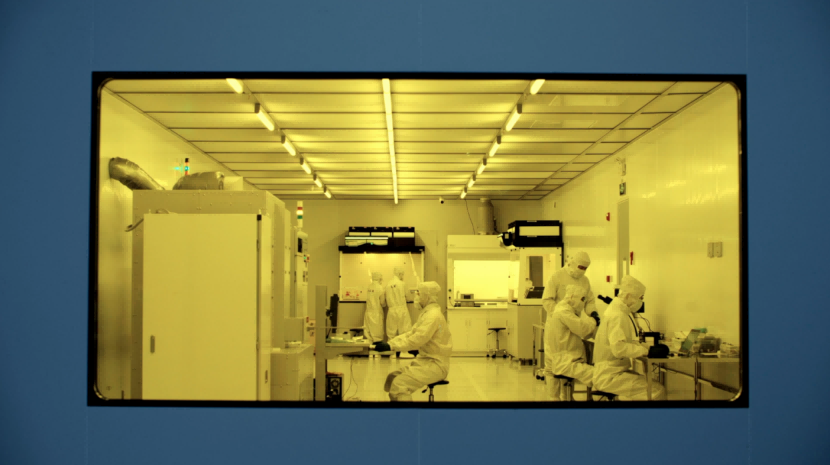
In a serious lab, a research-grade superconducting quantum computer often becomes part of a broader scientific workflow. It may be used alongside classical computing, data analysis tools, and other experimental equipment. The goal is not to isolate quantum from the rest of the lab. The goal is to make it a productive part of the environment.
That is why integration matters as much as hardware performance. If the quantum computer fits smoothly into the lab’s existing habits and systems, it becomes much easier to use consistently. Researchers can plan experiments, collect data, and compare outcomes without needing to redesign their entire workflow.
This also affects collaboration. When a system is research-grade, multiple people may need access to it. That means the platform should support repeatable operation, clear procedures, and enough flexibility for different projects. A well-designed system makes that possible without losing technical depth.
How to Evaluate the System
Organizations evaluating a research-grade superconducting quantum computer should think carefully about how they will actually use it. A strong buyer will look beyond marketing language and focus on operational reality.
Useful questions include:
-
Can the system support repeated calibration and tuning?
-
Does it provide meaningful control for research work?
-
How stable is the deployment over time?
-
Is the platform designed for integration with a real lab workflow?
-
Can it support future growth or deeper experimentation?
These are the questions that separate a general-purpose showcase from a serious research platform. Buyers who ask them usually get a clearer picture of whether the machine will serve their goals over time.
Conclusion
A research-grade superconducting quantum computer is valuable because it supports scientific work that cannot be done with a simple demo setup. It has to be stable, integrated, and flexible enough to support real experimentation. That is what makes it useful to advanced labs and research teams.
For SPINQ, this category is closely tied to the wider superconducting platform. Chips, control systems, and deployment support all contribute to the final result. When those pieces are aligned, the machine becomes more than hardware. It becomes a research tool that can grow with the work being done on it.
Featured Content