
What is Quantum Computing? A Complete Guide to the Future of Technology
2026.03.06 · Blog What is Quantum Computing
Quantum computing is a revolutionary multidisciplinary field of computer science and physics that harnesses the principles of quantum mechanics to process information and solve complex problems exponentially faster than classical computers. Unlike traditional computers that rely on binary bits, quantum computers utilize quantum bits or qubits to perform highly sophisticated calculations through phenomena like superposition and entanglement.
The Fundamentals of Quantum Mechanics in Computing
To truly understand this transformative technology, one must grasp the underlying physics that makes it possible. Classical computing processes data in a straightforward linear fashion, using electrical impulses to represent states of off or on. Quantum technology, however, operates at the subatomic level where the traditional laws of physics no longer apply. This allows for a completely different architecture of information processing. By leveraging these unique properties, modern systems can evaluate millions of possibilities simultaneously instead of sequentially.
Understanding Qubits
The foundational building block of any quantum system is the quantum bit, commonly known as a qubit. While a classical bit can only hold a value of either 0 or 1 at any given moment, a qubit operates differently due to quantum mechanics. Qubits can be engineered from various physical systems, including trapped ions, photons, and superconducting circuits. Their unique ability to hold multiple states is what gives quantum computers their unprecedented processing power.
The Role of Superposition
Superposition is the core quantum phenomenon that allows a qubit to exist in a combination of states—both 0 and 1—at the same time. As long as the qubit remains unobserved, it holds all these potential states simultaneously. When applied to computational tasks, this means a quantum computer can explore vast numbers of potential outcomes or solutions in parallel. For instance, instead of checking every path in a maze one by one, superposition enables the system to calculate all possible routes simultaneously.
The Power of Quantum Entanglement
Quantum entanglement occurs when two or more qubits become intertwined, meaning the state of one qubit will instantly determine the state of another, regardless of the physical distance separating them. This phenomenon creates a deeply correlated system where information is shared instantaneously across the quantum network. In algorithms, entanglement allows qubits to work together as a cohesive unit, unlocking the ability to solve intricate optimization problems and cryptographic puzzles that would overwhelm classical processors.
Quantum Interference and Decoherence
Quantum interference is a mechanism used to control the probabilities of quantum states, amplifying the correct solutions while canceling out the incorrect ones. It acts as a guide to steer the superposition toward the desired output. However, these systems face a major challenge known as decoherence. Decoherence happens when qubits lose their quantum state due to environmental interference like temperature fluctuations or electromagnetic waves, making error correction a critical area of ongoing research.
How Does a Quantum Computer Work?
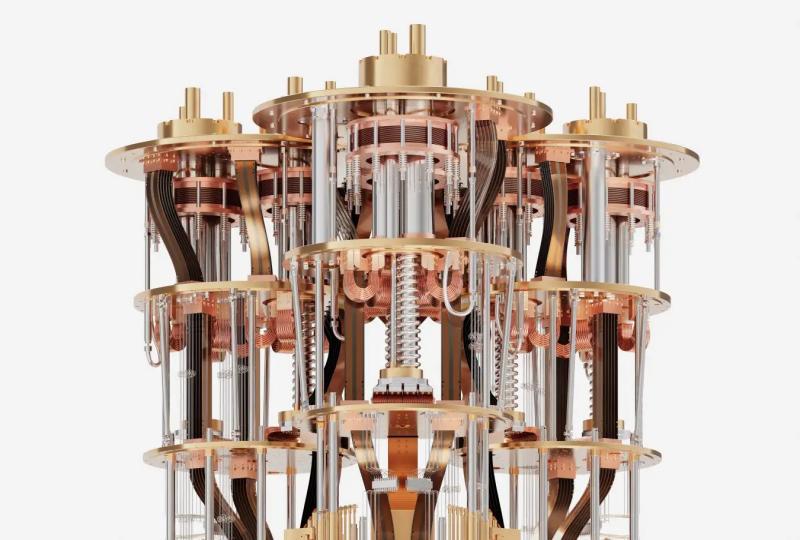
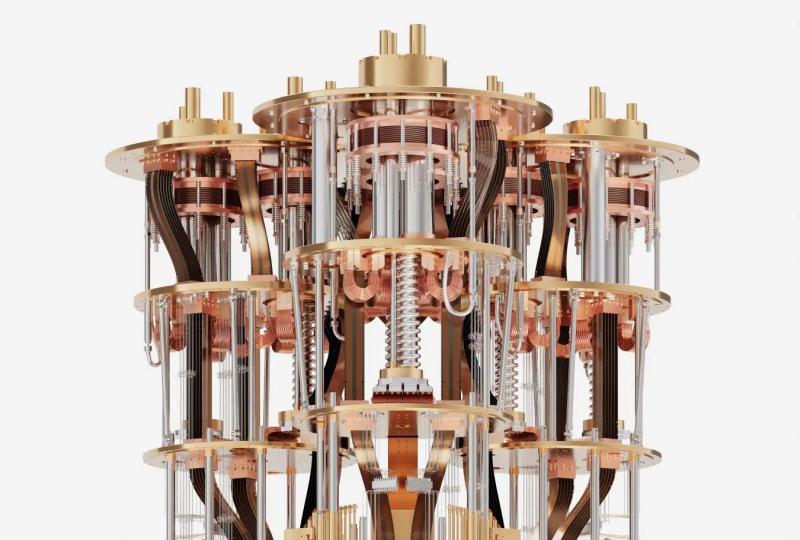
Operating a quantum machine is vastly different from using a standard desktop PC. The entire process requires highly specialized hardware and precise environmental controls. Most advanced systems, such as superconducting quantum computers, must be cooled to temperatures colder than deep space to maintain qubit stability. This extreme cooling prevents thermal energy from disrupting the fragile quantum states.
The Hardware Architecture
Quantum computer architecture encompasses the physical hardware and the control systems required to execute algorithms. The primary component is the quantum processing unit (QPU), which houses the physical qubits. Surrounding the QPU are complex measurement and control systems that send precise microwave or laser pulses to manipulate the qubits into their desired states. Companies like SpinQ provide robust architectures that integrate these hardware elements with dedicated software frameworks for seamless operation.
Executing Quantum Algorithms
A quantum algorithm is a specific set of instructions designed to run on a quantum circuit. The computation begins with initialization, where qubits are set to a baseline state. Next, quantum gates apply operations to create superposition and entanglement, manipulating the probabilities of various outcomes. Finally, the qubits are measured, collapsing their superposition into a single classical output that provides the solution to the user's query.
Classical Computing vs. Quantum Computing
Understanding the differences between these two paradigms is essential for grasping the future of technology. The table below outlines the primary distinctions.
| Feature | Classical Computing | Quantum Computing |
| Basic Data Unit | Bit (0 or 1) | Qubit (0, 1, or both simultaneously) |
| Processing Method | Sequential and linear | Parallel through superposition |
| Physical Dependency | Transistors and microchips | Subatomic particles and quantum chips |
| Primary Use Cases | General-purpose tasks, everyday software | Complex optimization, cryptography, simulation |
| Operating Environment | Room temperature | Often requires ultra-low temperatures (for superconducting) |
Types of Quantum Computers in 2026
The quantum industry is currently exploring several different hardware approaches to achieve scalable computing. Each type utilizes different physical phenomena to create and maintain qubits. The race for quantum supremacy involves determining which architecture will ultimately provide the most stability and lowest error rates for commercial applications.
Superconducting Quantum Computers
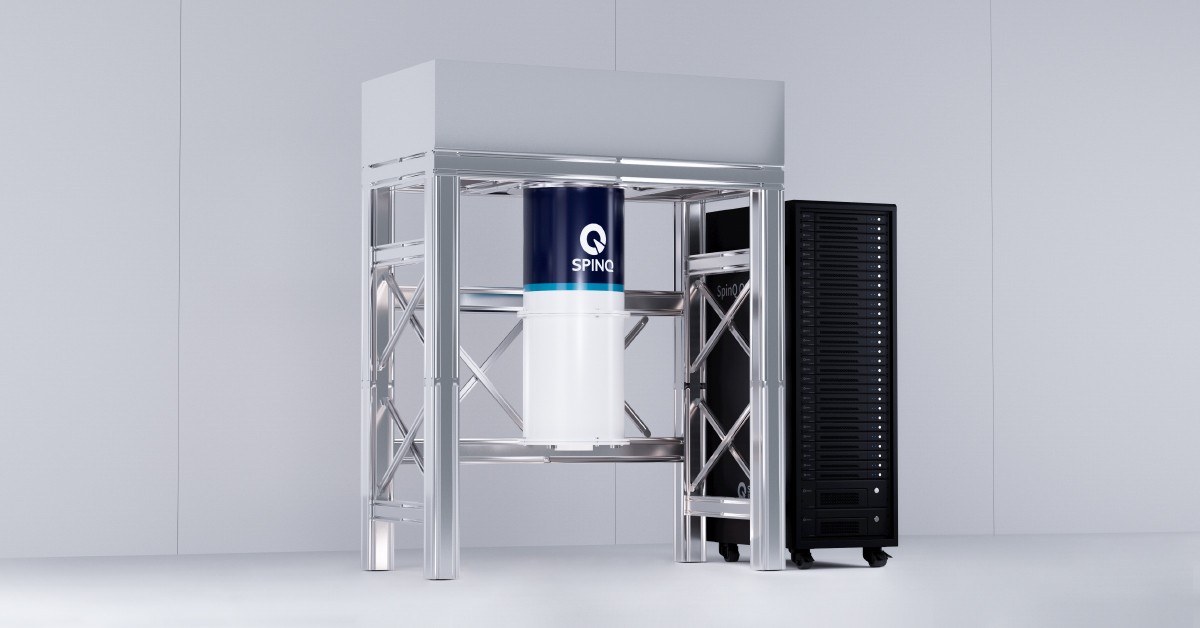
Superconducting systems are currently the most prominent architecture pursued by major tech companies. They use electrical circuits built from superconducting materials that exhibit zero electrical resistance at extreme sub-zero temperatures. SpinQ's Superconducting Quantum Computers are highly regarded for their exceptional coherence times and operational fidelity. These systems are heavily utilized in research institutions for tackling advanced problems in materials science and financial modeling.
Desktop NMR Quantum Computers
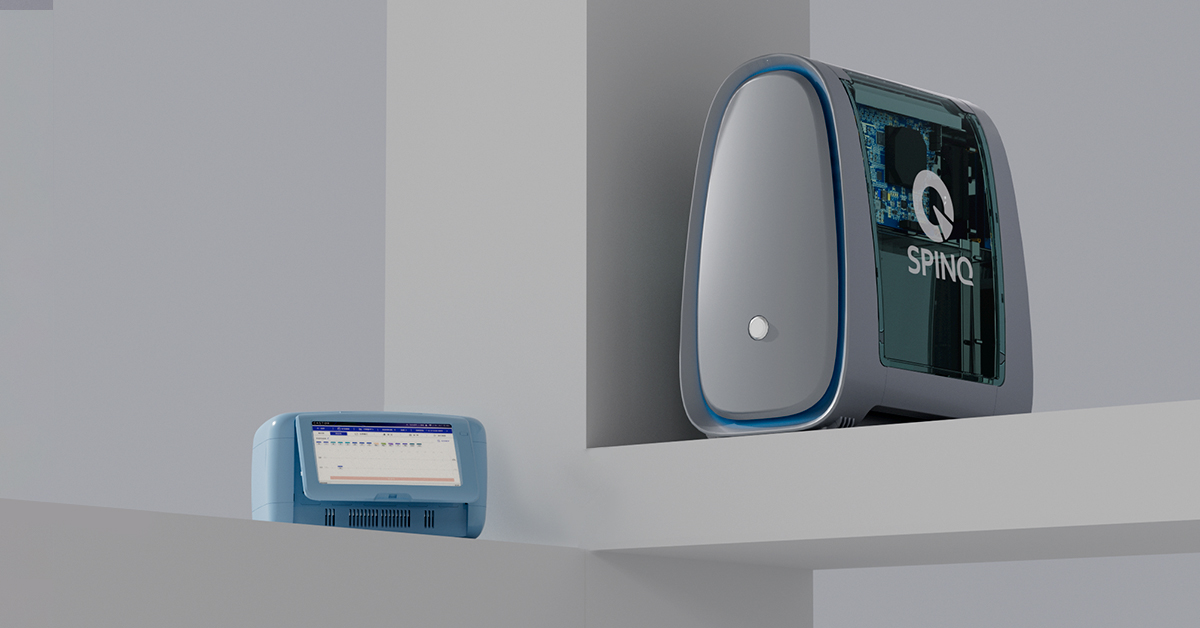
Nuclear Magnetic Resonance (NMR) quantum computers offer a highly accessible alternative to massive superconducting systems. They use the spin states of atomic nuclei in molecules to represent qubits. SpinQ has revolutionized this space by creating portable, room-temperature devices for educational and developmental purposes. The SPINQ Triangulum, a 3-qubit desktop NMR quantum computer, is an excellent example of a maintenance-free system that allows students and researchers to write and test their own quantum circuits directly.
Transformative Applications of Quantum Technology
The potential applications for this technology span across numerous global industries. Because quantum systems excel at modeling complex systems with multiple interacting variables, they are poised to revolutionize fields that currently rely on trial-and-error methodologies or massive classical supercomputers.
Drug Discovery and Chemistry
In pharmaceutical research, simulating the exact molecular interactions of new drugs is incredibly computationally heavy. Classical computers struggle to accurately model large molecules because the number of electron interactions grows exponentially. Quantum machines can natively simulate quantum interactions, allowing scientists to model complex chemical reactions seamlessly. This could drastically reduce the time and cost required to discover life-saving medications.
Cryptography and Cybersecurity
Quantum computing poses both a threat and a solution to global cybersecurity. Modern encryption relies on the fact that classical processors take thousands of years to factorize enormous prime numbers. A sufficiently powerful quantum algorithm could crack these encryption methods in hours. In response, the industry is rapidly developing quantum-resistant cryptography to secure digital communications against future quantum attacks.
Financial Modeling and Optimization
Financial institutions manage massive portfolios and risk assessments that involve millions of fluctuating variables. Quantum algorithms can execute complex financial modeling much more efficiently than traditional methods. By utilizing quantum optimization, banks can instantly calculate the most profitable investment strategies, predict market movements with greater accuracy, and manage economic risks in real-time.
Quantum Machine Learning
Machine learning and artificial intelligence are heavily restricted by the processing capabilities of classical servers. Quantum machine learning (QML) seeks to merge quantum computing with AI to analyze vast datasets far more efficiently. By utilizing quantum principles, QML algorithms can process multiple analytical pathways simultaneously, significantly speeding up pattern recognition and predictive modeling.
Advancing the Future with SpinQ Technology
As the quantum landscape evolves, dedicated hardware and software providers are crucial for democratizing access to this technology. SpinQ is at the forefront of this movement, offering turnkey integrated service systems that encompass everything from quantum chip design to full software deployment.
Comprehensive Ecosystems
SpinQ provides an unparalleled ecosystem that spans the entire technology stack. Their QPU C Series superconducting chips deliver high-stability performance, managed by precision RF control electronics capable of measuring hundreds of qubits. This high level of hardware and software integration ensures that industry users receive reliable, ready-to-use computational power tailored to their specific research needs.
Education and Accessibility
Beyond industrial applications, bringing quantum knowledge to the broader public is essential for future innovation. SpinQ's desktop quantum computers, such as the Triangulum, offer a hands-on learning platform for mastering quantum gates, algorithms, and pulse sequence engineering. By lowering the barrier to entry, these tools empower the next generation of scientists to explore the quantum realm directly from a classroom or home laboratory.
Frequently Asked Questions (FAQs)
What is the main difference between a classical computer and a quantum computer?
A classical computer processes data using bits that represent either 0 or 1, calculating tasks linearly. A quantum computer uses qubits, which can exist as 0, 1, or both simultaneously through superposition, allowing it to perform highly complex calculations in parallel.
Can I buy a quantum computer for personal use?
Yes, thanks to advancements by companies like SpinQ, desktop-sized quantum computers are now available for personal and educational use. Devices like the SpinQ Triangulum use NMR technology to operate at room temperature, making them accessible without the need for extreme refrigeration.
Will quantum computers replace classical computers?
No, quantum computers are not designed to replace classical machines for everyday tasks like browsing the internet or sending emails. They will be used as specialized accelerators to solve highly specific, complex problems in optimization, cryptography, and molecular simulation that classical systems cannot handle.
What is decoherence in quantum computing?
Decoherence is the loss of a qubit's quantum state due to interference from its surrounding environment, such as temperature changes or electromagnetic noise. It is one of the biggest hurdles in hardware development, requiring sophisticated error correction techniques to ensure accurate calculations.
Why do some quantum computers need to be so cold?
Many quantum architectures, specifically superconducting quantum computers, require operating temperatures near absolute zero. This extreme cold prevents thermal energy from causing decoherence, keeping the highly sensitive qubits stable enough to execute operations and retain their information.
Featured Content