
What Is a Quantum Computer and Why It Matters
2026.04.10 · Blog what is a quantum computer
From Classical Bits to Quantum Qubits
A quantum computer is a new type of computer that uses the principles of quantum mechanics to process information. Unlike classical computers that use bits as 0 or 1, quantum computers use qubits, which can be 0, 1, or both at the same time thanks to superposition. This parallelism allows quantum systems to explore many possible solutions simultaneously, giving them an advantage on specific complex tasks.
Key Quantum Properties: Superposition and Entanglement
Superposition lets a single qubit exist in multiple states at once, rather than just a single definite value. Entanglement links qubits so that the state of one qubit is directly related to another, even if they are physically separated. Together, these quantum effects enable powerful new algorithms that are fundamentally different from classical computing approaches.
How a Quantum Computer Is Built
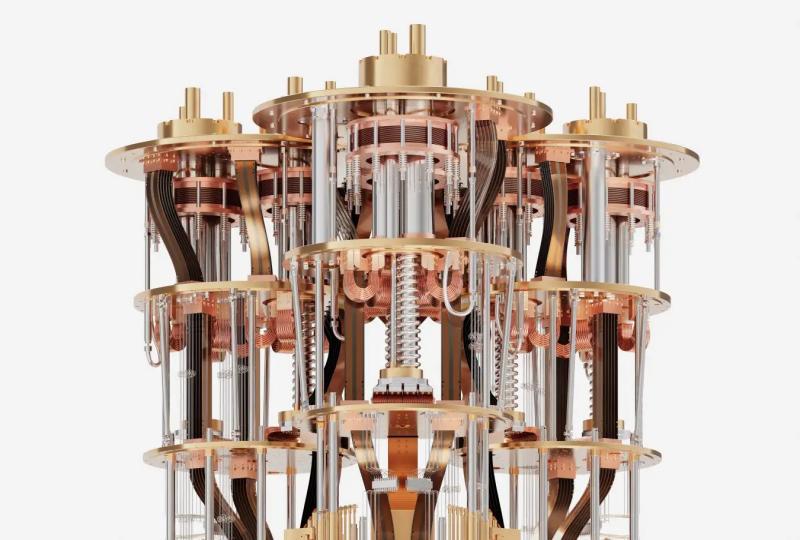
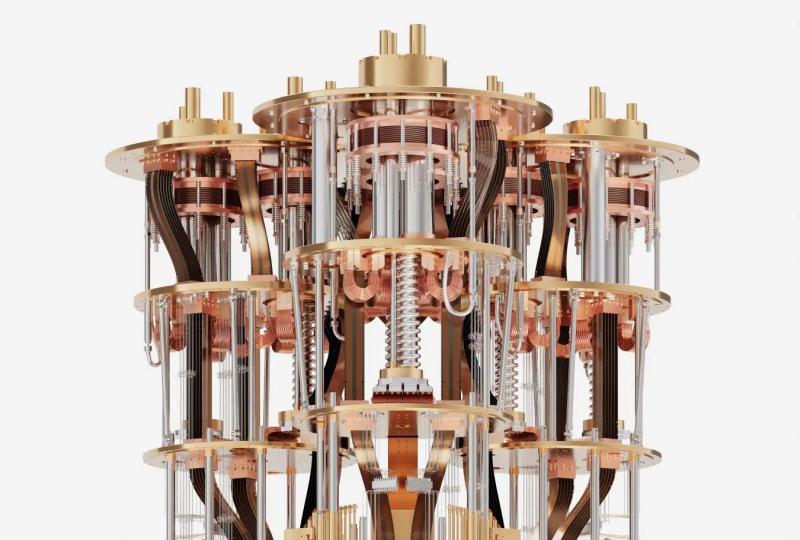
At the heart of a quantum computer is the Quantum Processing Unit (QPU), or quantum chip, where qubits live and quantum logic gates operate on them. Surrounding this chip are control electronics, cryogenic systems, and classical computers that send signals to manipulate and read out the qubits. The entire system is designed to protect fragile quantum states from noise and decoherence.
Quantum Computers vs. Supercomputers
Supercomputers rely on huge numbers of classical processors working in parallel, while quantum computers exploit superposition and entanglement at the hardware level. For certain problems like optimization, chemistry simulation, and cryptography, a fault-tolerant quantum computer could outperform any classical machine. However, for everyday tasks such as email or web browsing, classical computers will remain the best tool.
What Today’s Quantum Computers Can Do
Current quantum computers are in the so‑called noisy intermediate‑scale quantum (NISQ) era, where devices have tens to thousands of qubits but still suffer from errors. They can already demonstrate speedups on carefully chosen problems, but full-scale, error‑corrected quantum machines are still under active development. Companies and research labs are rapidly improving qubit quality, control electronics, and software tools to close this gap.
Why Quantum Computing Matters for Business and Society
Quantum computers could accelerate drug discovery, optimize global logistics, strengthen or break cryptographic systems, and power a new generation of AI models. Organizations that start learning and experimenting with quantum technology today will be better prepared when larger, more reliable systems become available. For enterprises, building a quantum strategy is quickly shifting from “nice to have” to a long‑term competitive requirement.
Featured Content