
Quantum Computing Basics: Qubits, Entanglement, and What It Means for You
2026.04.17 · Blog quantum computing basics
Introduction to Quantum Computing Basics
In the fast-paced world of technology, quantum computing has moved from science fiction to tangible reality, promising to solve problems that even the most powerful classical supercomputers can’t touch. But for many, quantum computing basics remain a mystery—filled with complex terms and counterintuitive concepts. If you’ve ever wondered what quantum computing is, how it works, or why it matters, you’re in the right place. This guide breaks down quantum computing basics in simple terms, explains key concepts like qubits and quantum entanglement, and highlights why this technology is set to reshape industries from healthcare to finance.
Classical vs. Quantum: The Core Difference
Let’s start with the foundation: what makes quantum computing different from the classical computers we use every day? Classical computers—from your laptop to data centers—rely on bits as their basic unit of information. A bit is a simple switch: it can be either 0 or 1, and it processes information sequentially, one bit at a time. This works well for most tasks, but when faced with extremely complex problems—like simulating molecular structures for drug discovery or optimizing global supply chains—classical computers hit a wall. They simply can’t process the massive number of possibilities quickly enough.
Qubits: The Building Blocks of Quantum Computing
Quantum computing changes the game by using qubits (quantum bits) instead of classical bits. Qubits are the building blocks of quantum computing, and their unique properties are what give quantum computers their extraordinary power. Unlike classical bits, which are limited to 0 or 1, qubits can exist in a state of superposition—meaning they can be 0, 1, or both at the same time. To visualize this, think of a coin: a classical bit is like a coin that’s landed on heads (0) or tails (1), while a qubit is like a coin spinning in the air—both heads and tails simultaneously until it lands (is measured).
Quantum Entanglement: “Spooky Action at a Distance”
Superposition is one of the two key quantum properties that make quantum computing possible; the other is quantum entanglement. Quantum entanglement is a phenomenon where two or more qubits become correlated in such a way that the state of one qubit cannot be described independently of the others—even when they’re separated by vast distances. Albert Einstein famously called this “spooky action at a distance,” as manipulating one entangled qubit instantly affects its partner, no matter how far apart they are. This isn’t just a theoretical concept: in 2023, researchers even captured the first image of quantum entanglement, showing the interconnected wave functions of entangled photons.
Why Quantum Entanglement Matters for Quantum Computing Basics
To understand why quantum entanglement matters for quantum computing basics, consider this: when qubits are entangled, they can process information in parallel. A single qubit can represent two states, two entangled qubits can represent four states, three entangled qubits can represent eight states, and so on. This exponential growth means that a quantum computer with just 50 qubits can process more possibilities than there are atoms in the observable universe. For complex problems that require testing millions (or billions) of combinations, this parallel processing power is a game-changer.
How Qubits and Entanglement Work Together in Practice
But how do qubits and quantum entanglement work together in practice? Let’s take a simple example: imagine you’re trying to find the shortest path in a complex maze. A classical computer would test each path one by one, which could take hours or even days for a large maze. A quantum computer, using qubits in superposition and entanglement, can test all possible paths simultaneously. The entangled qubits correlate their states, and through a process called quantum interference, the computer amplifies the probability of the correct path and cancels out the probabilities of incorrect ones. This allows quantum computers to find solutions in a fraction of the time it would take a classical computer.
Challenges in Quantum Computing Basics
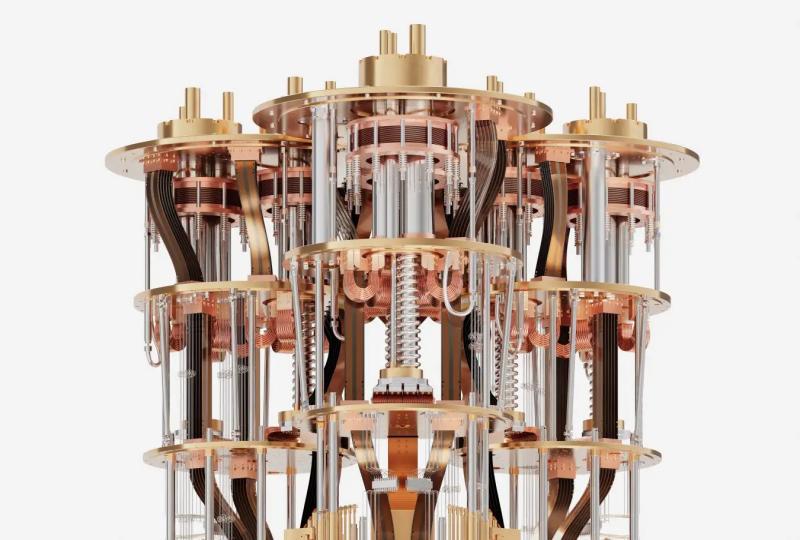
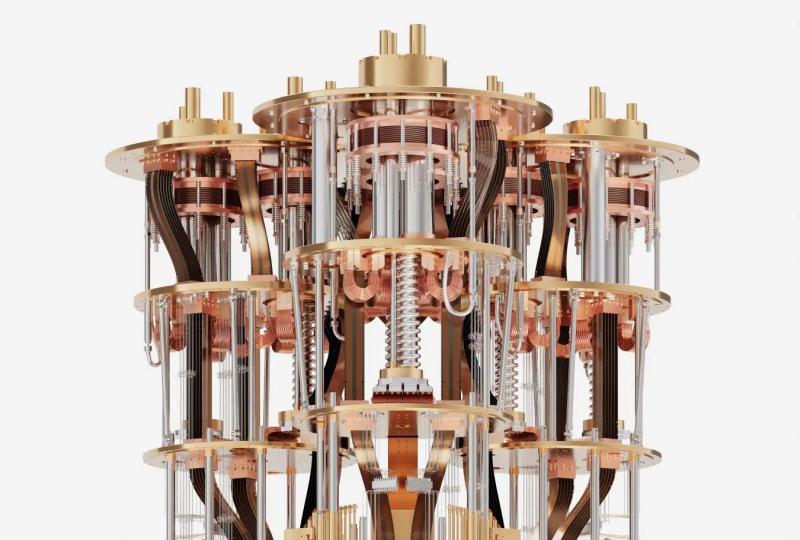
Of course, quantum computing basics aren’t without challenges. Qubits are extremely fragile—they can easily lose their quantum state (a process called decoherence) if they’re exposed to even tiny amounts of heat, noise, or vibration. That’s why quantum computers are kept in ultra-cold environments, often near absolute zero (-273°C)—colder than outer space—and shielded from external interference. Researchers are constantly working to improve qubit stability and reduce decoherence, which is key to building more powerful quantum computers.
What Quantum Computers Can Do
Another important part of quantum computing basics is understanding what quantum computers can (and can’t) do. Contrary to popular belief, quantum computers won’t replace classical computers. Instead, they’ll work alongside them, tackling specific tasks that classical computers struggle with. For example, quantum computers excel at: simulating quantum systems (like molecular structures for new drugs), optimizing complex systems (like logistics or financial portfolios), breaking encryption (though they can also help create unbreakable quantum encryption), and machine learning (speeding up training for complex models).
Practical Application: Quantum Computing in Drug Discovery
Let’s dive a bit deeper into one practical application to see quantum computing basics in action: drug discovery. Developing a new drug typically takes years of trial and error, as researchers must simulate how different molecules interact with the human body. Classical computers struggle to simulate these molecular interactions accurately, as they involve thousands of atoms and complex quantum interactions. Quantum computers, however, can simulate these systems directly using qubits and quantum entanglement, allowing researchers to identify promising drug candidates much faster. This could drastically reduce the time and cost of bringing new drugs to market, potentially saving millions of lives.
Debunking Common Myths About Quantum Computing Basics
Now that we’ve covered the core quantum computing basics—qubits, superposition, quantum entanglement, and their practical applications—it’s important to address some common myths. First, quantum computing isn’t just “faster classical computing.” It’s a fundamentally different way of processing information, leveraging quantum mechanics to solve problems that classical computers can’t. Second, you don’t need a background in physics or math to understand quantum computing basics—anyone can grasp the key concepts with a little explanation.
Why Quantum Computing Basics Matter to You
So, why should you care about quantum computing basics? Because this technology is set to revolutionize nearly every industry. From healthcare to finance, from logistics to cybersecurity, quantum computing will enable innovations that were once impossible. Whether you’re a business leader looking to stay ahead of the curve, a student interested in emerging technologies, or simply someone curious about the future of computing, understanding quantum computing basics is the first step toward embracing this revolutionary technology.
Recap: Key Quantum Computing Basics
To recap, quantum computing basics revolve around three key concepts: qubits (the quantum equivalent of classical bits), superposition (qubits existing in multiple states at once), and quantum entanglement (qubits being correlated across distances). These properties give quantum computers their unique power, allowing them to solve complex problems faster than any classical computer. While there are still challenges to overcome—like qubit stability and decoherence—the future of quantum computing is bright.
The Future of Quantum Computing Basics
As quantum computing continues to evolve, we’ll see more practical applications and advancements. But for now, the most important thing is to grasp the basics. By understanding qubits, quantum entanglement, and how quantum computing differs from classical computing, you’ll be well-equipped to understand the next wave of technological innovation. Whether you’re interested in the science behind quantum computing or its real-world impact, the basics are the foundation of everything to come.
Featured Content