
Quantum Computers: The Next Frontier of Computational Power (2026 Guide)
2026.04.03 · Blog quantum computers
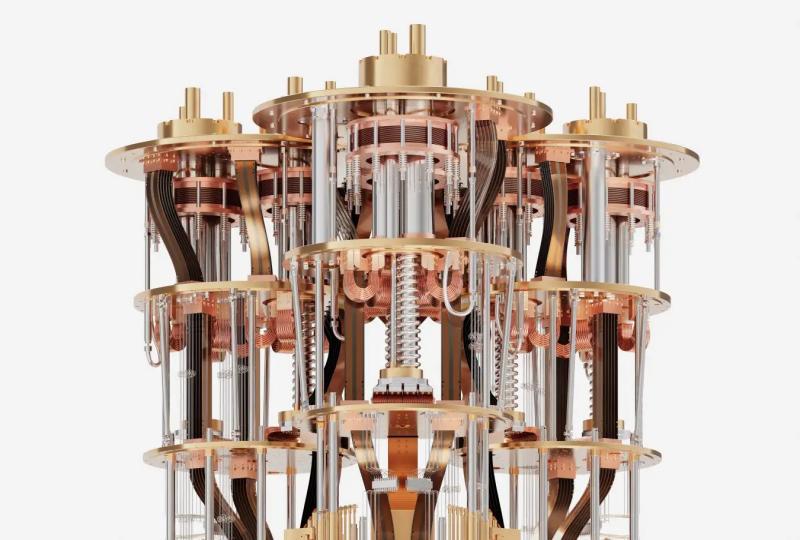
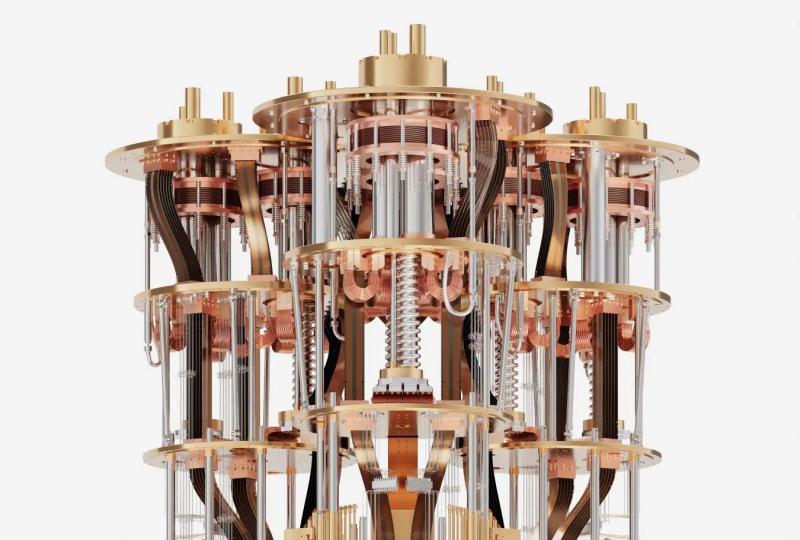
In an era where classical computers are hitting their physical and practical limits, quantum computing has emerged as the most transformative technology of our time. Unlike traditional systems that rely on binary bits (0s and 1s), quantum computers leverage the laws of quantum mechanics to process information at speeds that were once unimaginable. For businesses, researchers, and tech innovators, understanding quantum computers isn’t just a curiosity—it’s a strategic necessity to stay ahead in a rapidly evolving digital landscape.This blog breaks down everything you need to know about quantum computers in 2026: how they work, their real-world applications, the latest industry milestones, and why they’re poised to disrupt nearly every sector. Whether you’re a tech enthusiast, a business leader, or a researcher, this guide will demystify quantum computing and show you how it’s changing the game.
What Are Quantum Computers, and How Do They Differ from Classical Computers?
To understand quantum computers, we first need to contrast them with the classical computers we use every day. Classical computers process information using bits, which can only exist in one of two states: 0 (off) or 1 (on). This binary system works well for most everyday tasks—from browsing the web to running office software—but it struggles with complex problems that require analyzing millions of variables simultaneously.
Quantum computers, on the other hand, use qubits (quantum bits) as their basic unit of information. What makes qubits revolutionary is their ability to exist in multiple states at once—a phenomenon known as superposition. A qubit can be 0, 1, or any linear combination of both, allowing quantum computers to process millions of different states simultaneously.
Another key principle of quantum mechanics that powers these systems is entanglement. When two qubits are entangled, the state of one instantly influences the state of the other—no matter how far apart they are. This “quantum teamwork” enables quantum computers to perform multiple calculations at once, giving them an exponential advantage over classical systems for specific complex tasks.
In simple terms: If a classical computer is like searching for a book in a library by checking one shelf at a time, a quantum computer checks every shelf simultaneously. This difference is why quantum computers can solve problems that classical supercomputers would take thousands—even millions—of years to crack.
Real-World Applications: How Quantum Computers Are Transforming Industries
Quantum computing’s power isn’t just theoretical—it’s already being applied to solve some of the world’s most pressing problems across industries. Here are the key sectors being disrupted by quantum technology in 2026:
1. Healthcare & Pharmaceuticals
One of the most promising applications of quantum computing is in drug discovery and protein simulation. Classical computers struggle to model the complex 3D structures of proteins, which are critical for understanding diseases and developing new medications. Quantum computers, however, can simulate these structures in minutes—tasks that would take classical supercomputers years.
2. Finance & Banking
The financial sector is among the earliest adopters of quantum computing, thanks to its ability to solve complex optimization and risk analysis problems. Quantum algorithms like the Quantum Approximate Optimization Algorithm (QAOA) and Grover’s Algorithm can process vast amounts of financial data exponentially faster than classical systems, enabling:
1. Faster Monte Carlo simulations for risk assessment
2. Optimized investment portfolios with complex constraints
3. Improved fraud detection systems with predictive capabilities
3. Cybersecurity
Quantum computing poses both a threat and an opportunity for cybersecurity. On one hand, quantum computers could break the encryption standards used to protect sensitive data today (such as RSA and ECC). On the other hand, they enable quantum key distribution (QKD), a new form of encryption that is theoretically unbreakable—even by quantum computers themselves.
As quantum technology matures, businesses and governments are racing to develop post-quantum cryptography (PQC) standards to protect their data from future quantum threats.
4. Manufacturing & Logistics
Quantum computing excels at combinatorial optimization—problems that involve finding the best solution from a vast number of possibilities. This makes it ideal for optimizing global supply chains, manufacturing processes, and logistics routes.
For example, quantum algorithms can reduce delivery costs by optimizing route planning, enhance efficiency in manufacturing lines, and balance energy grids in real time.
The Future of Quantum Computing: What to Expect in the Next 5 Years
While quantum computing is still in its early stages, the next five years will bring significant advancements that make the technology more accessible and practical. Here’s what to watch for:
Scalable Qubits: Companies will continue to increase qubit counts while improving qubit fidelity (reducing errors), bringing us closer to “quantum advantage” for more complex tasks.
Quantum-as-a-Service (QaaS): Cloud platforms like IBM Quantum, SPINQ, Microsoft Azure Quantum, and AWS Braket will make quantum computing accessible to businesses of all sizes, eliminating the need for expensive on-premise hardware.
Hybrid Quantum-Classical Systems: Most practical applications will combine quantum and classical computing, leveraging the strengths of both to solve real-world problems.
Quantum Education & Workforce Development: As demand for quantum talent grows, universities and companies will expand quantum education programs.
Ready to Explore Quantum Computing?
Quantum computing isn’t the future—it’s here, and it’s transforming industries at a rapid pace. The businesses that embrace quantum technology today will be the leaders of tomorrow. If you’re ready to learn how quantum computers can revolutionize your operations, contact our team today to schedule a demo or consultation.
Follow our blog for the latest quantum computing news, insights, and updates—and stay ahead of the curve in the quantum era.
Featured Content