
What Is a High-Coherence Superconducting Quantum Computer?
2026.09.07 · Blog high-coherence superconducting quantum computer
A high-coherence superconducting quantum computer is a quantum computing system that uses superconducting qubits and is designed to keep those qubits in their quantum states for longer periods. This matters because a qubit must preserve its state long enough to be controlled, measured, and used in quantum logic operations.
In superconducting quantum computing, coherence is a foundational hardware characteristic. Longer qubit lifetimes can create a larger operational window for executing quantum gates, running quantum circuits, and collecting results. However, coherence alone does not define a usable quantum system. Reliable operation also depends on precise control electronics, stable cryogenic infrastructure, software integration, and repeatable measurement.
Understanding Superconducting Quantum Computers
A superconducting quantum computer is a computing architecture based on quantum-mechanical principles that uses superconducting qubits as its information-processing units. Unlike classical bits, which represent either 0 or 1, qubits can represent quantum states that are manipulated through controlled operations.
At the center of the system is the quantum processing unit, or QPU. The QPU carries and stabilizes qubits, supports single-qubit and two-qubit quantum logic operations, and provides the physical hardware foundation for executing quantum algorithms.
Because superconducting qubits require specialized operating conditions, they are part of a larger integrated system rather than standalone chips. A complete superconducting quantum computer typically combines a QPU, quantum control and measurement electronics, an ultra-low-temperature environment, pulse-level control software, programming tools, and deployment or integration services.
For research teams and institutions planning quantum infrastructure, understanding this system-level structure is as important as understanding the qubit chip itself.
What Does “High Coherence” Mean?
In quantum computing, coherence describes how long a qubit can retain its quantum state before unwanted interactions with the environment disturb that state. These disturbances can make it harder to perform accurate operations or interpret measurement results.
A high-coherence superconducting quantum computer aims to provide qubits with longer usable lifetimes. With more time available before quantum information degrades, a system can potentially perform more controlled quantum operations within an experimental or computational sequence.
High coherence is closely connected with several practical objectives:
-
Supporting longer qubit-state stability during quantum operations
-
Creating more time for single-qubit and two-qubit gate operations
-
Improving the conditions for repeatable control and measurement
-
Providing a stronger hardware basis for quantum algorithm experiments
-
Supporting research into more complex quantum circuits and quantum error correction
Coherence should not be confused with gate fidelity. Coherence relates to how long a qubit maintains its quantum state, while gate fidelity describes how closely an implemented quantum gate matches its intended operation. Both are important in a superconducting quantum system, but they measure different parts of overall performance.
Core Components of a High-Coherence System
High coherence is not simply a characteristic of one chip specification. It depends on how the quantum processing unit, measurement hardware, cryogenic infrastructure, and software work together as an integrated system.
The superconducting QPU carries qubits, supports quantum logic operations, and provides the physical layer on which quantum algorithms are executed. Its ability to stabilize qubits is a critical foundation for building a high-coherence superconducting quantum computer.
The quantum control and measurement system is equally important. It uses radio-frequency pulses to manipulate qubit states and read out measurement results. High-precision, low-noise, and repeatable control and measurement help researchers apply operations consistently and obtain useful experimental data.
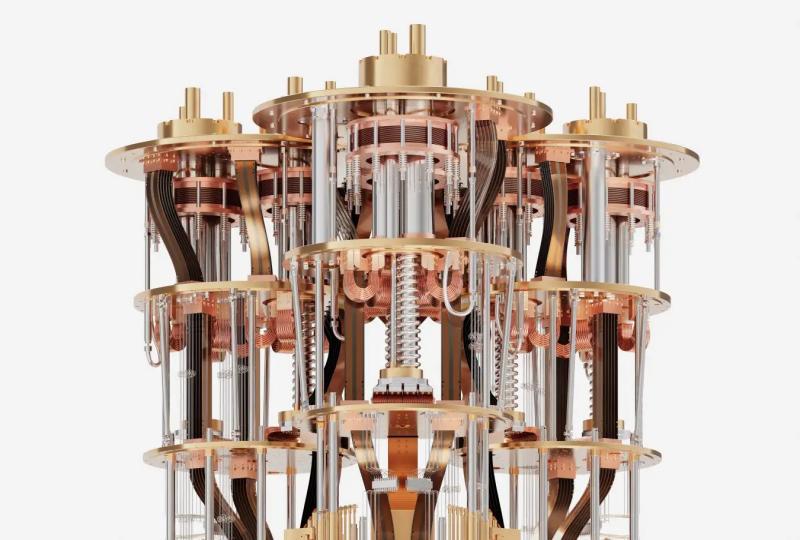
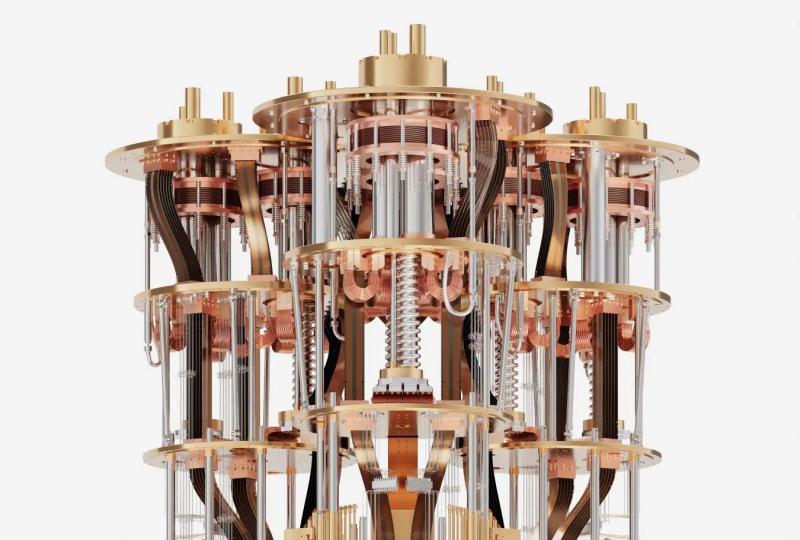
An ultra-low-temperature environment provides the operating conditions required by superconducting quantum hardware. This part of the system can include a dilution refrigerator, cryogenic radio-frequency components, laboratory evaluation or renovation, equipment installation, and ongoing maintenance support.
Pulse-layer control software and Python APIs connect programming workflows with physical hardware. They enable teams to translate quantum circuits or control procedures into actions that can be executed by the QPU and its control electronics.
Finally, quantum software, cloud capabilities, and private deployment options can support software–hardware coordination, flexible access, and institution-specific infrastructure requirements.
Why High Coherence Matters for Quantum Operations
A longer-lived quantum state gives researchers more time to apply operations before quantum information is lost. In practical terms, this can help create a more suitable operating window for quantum circuit execution, quantum control experiments, and algorithm validation.
High-coherence hardware is particularly relevant when teams need to investigate:
-
Quantum system construction and integration
-
High-speed quantum logic gate operations
-
Qubit control and measurement methods
-
Multi-qubit quantum circuit experiments
-
Quantum software–hardware coordination
-
Surface-code quantum error-correction research
Still, high coherence does not eliminate quantum errors. Quantum processors also face control imperfections, readout limitations, environmental noise, and system-integration challenges. That is why a high-coherence superconducting quantum computer should be evaluated as a complete engineering platform, not only through an isolated qubit metric.
SpinQ Superconducting Quantum Solutions
SpinQ develops quantum computing technologies spanning superconducting quantum products, NMR quantum computers, quantum software, and cloud-related capabilities. Its superconducting portfolio includes quantum chips, quantum control and measurement systems, cryogenic-environment deployment support, chip manufacturing and testing services, and system integration.
SpinQ’s QPU C series superconducting QPUs are standardized, mass-producible high-performance quantum chips with high Qi values and long qubit lifetimes. These characteristics are relevant to the goal of preserving quantum states for longer periods and supporting stable quantum hardware research.
A superconducting QPU must be paired with a capable quantum control and measurement system. SpinQ’s quantum control and measurement system is designed to control, manipulate, and read the states of superconducting qubits using radio-frequency pulses. This control layer provides the electronics required for quantum circuits and algorithms to run on physical hardware.
Organizations exploring superconducting quantum products can consider the full pathway from quantum chip design and fabrication to testing, cryogenic deployment, control electronics, software integration, and technical support. This system-oriented approach can reduce the complexity of coordinating multiple hardware and software suppliers.
SpinQ also provides quantum computing solutions for education for institutions developing practical quantum learning and research capabilities.
Questions to Ask When Evaluating a System
When evaluating a high-coherence superconducting quantum computer, research institutions and technology teams should look beyond the number of qubits. Useful evaluation questions include:
-
What information is available about qubit lifetime, coherence, and factory testing?
-
Does the system support high-precision, low-noise, repeatable qubit control and measurement?
-
What cryogenic environment and supporting infrastructure are required?
-
Are QPU, control electronics, software, and laboratory deployment available as an integrated solution?
-
Does the platform provide pulse-level control, programming interfaces, and Python API support?
-
What installation, maintenance, testing, training, and long-term technical support are available?
-
Can the system support quantum hardware research, algorithm experiments, and future system expansion?
A well-matched platform should align with the organization’s research objectives, laboratory conditions, technical expertise, and long-term quantum development plan.
Conclusion
A high-coherence superconducting quantum computer is built around qubits that can maintain their quantum states for longer periods, enabling a larger window for controlled quantum operations. But coherence is only one part of the equation. High-quality QPUs, precise control and measurement systems, ultra-low-temperature infrastructure, and integrated software must work together to create a reliable quantum computing platform.
For institutions building quantum research capabilities, the most meaningful evaluation is system-wide: how effectively the hardware, control layer, cryogenic environment, and programming tools support real experimental and engineering workflows.
Featured Content