
Superconducting Quantum Computing Systems for University Research and Teaching
2026.08.27 · Blog for universities Superconducting Quantum Computing System
A for universities superconducting quantum computing system should be planned as more than an advanced laboratory asset. It can serve as shared research infrastructure for quantum science, electronics, materials, software, and interdisciplinary application studies. When combined with suitable teaching resources and an operating model for users, it can also help universities connect quantum theory with real experimental practice.
SpinQ supports institutions that want to establish quantum capability through connected hardware, software, services, and education resources. Our approach recognizes that universities need more than system access: they need a practical path for faculty, researchers, laboratory engineers, and students to develop confidence in quantum technologies over time.
Why Universities Need a Physical Quantum Research Platform
Quantum computing is inherently multidisciplinary. A university quantum program may involve quantum mechanics, information science, microwave engineering, cryogenics, integrated circuits, signal processing, materials research, software engineering, optimization, and data analysis. A physical superconducting system gives these disciplines a common technical platform.
Simulators and cloud-based tools can help students learn circuit design and fundamental algorithms. They are valuable for building early programming skills and making quantum concepts more accessible. However, a superconducting quantum system introduces the physical and engineering realities behind quantum execution.
Students and researchers can examine how a quantum state is controlled by microwave pulses, how readout signals are acquired, why qubits require a milli-kelvin environment, and how calibration affects experimental performance. This moves learning beyond an abstract circuit model and toward the real workflow of quantum hardware operation.
Supporting a Complete Academic Journey
Universities often serve users at different stages of quantum learning. Undergraduate students may require a structured introduction to quantum concepts and programming. Graduate students may need experimental access for thesis work. Faculty teams may require a platform for device characterization, quantum control, algorithm research, or collaborative projects with external partners.
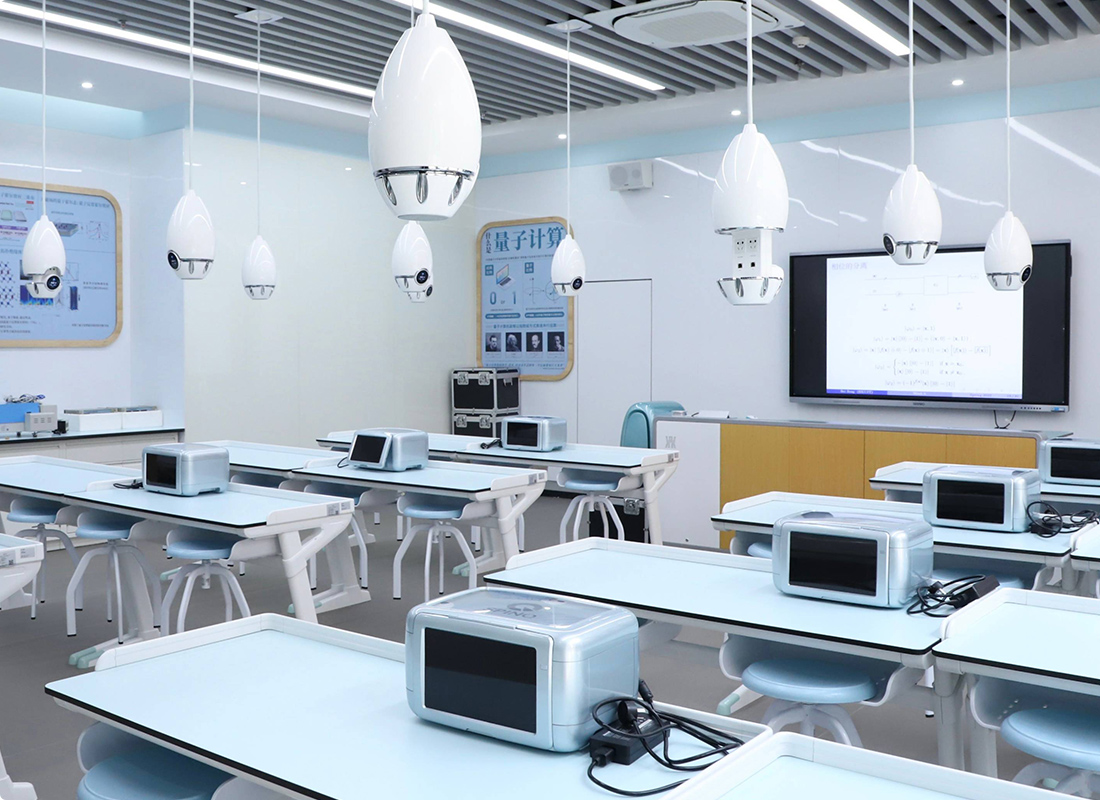
A layered quantum education and research strategy can support these needs more effectively than one platform used for every purpose. Education-grade systems can make early hands-on experimentation more accessible, while superconducting systems can support advanced research involving cryogenics, pulse control, processor characterization, and error-correction-related studies.
SpinQ provides quantum computing education solutions that combine equipment, instructional resources, and capability-building support for institutions. This can help universities create a progression from foundational learning to more specialized quantum research, while aligning equipment access with real teaching objectives.
What a Superconducting System Adds to University Research
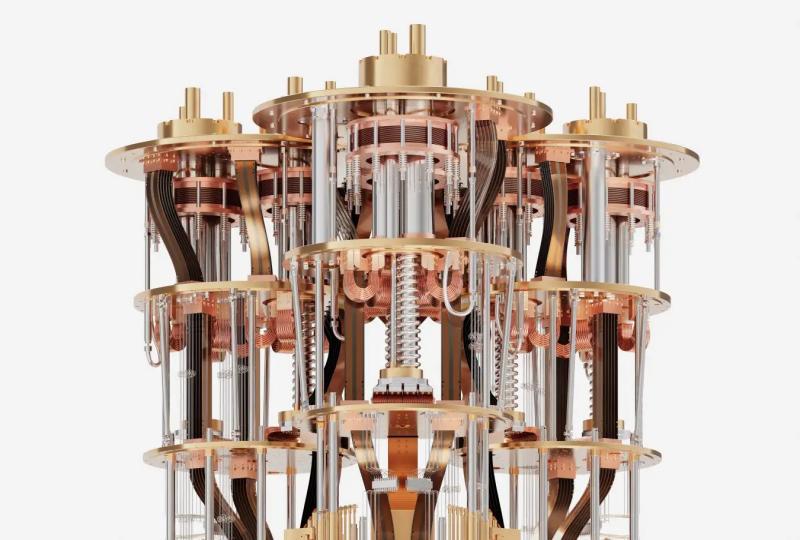
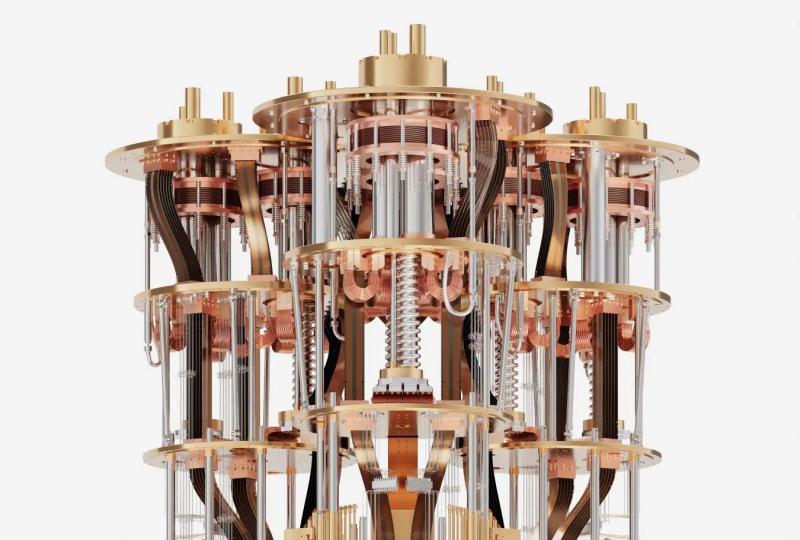
A superconducting quantum computing system includes a QPU, cryogenic infrastructure, quantum control and measurement equipment, and software for experiment execution. Each layer can become a source of research value for academic users.
Physics teams can investigate quantum coherence, superconducting circuits, quantum measurement, and low-temperature behavior. Electrical engineering teams can study RF control, timing synchronization, signal integrity, low-noise readout, and system architecture. Computer science teams can work on quantum algorithms, compilation, software tooling, and hybrid quantum-classical workflows. Materials and microelectronics researchers can explore fabrication-related challenges and the physical sources of device loss and noise.
This shared infrastructure can help create research connections across departments. Rather than positioning quantum computing as the responsibility of one discipline, the system can support a collaborative model in which theoretical, experimental, engineering, and computational expertise contribute to the same technology platform.
For universities developing this type of shared capability, SpinQ’s superconducting quantum computing products provide an integrated technology foundation for advanced research and system development. The portfolio includes the SPINQ SQC superconducting quantum computer, QPU C Series superconducting chips, the QCM quantum control and measurement system, quantum chip manufacturing and characterization services, and cryogenic environment deployment support. Together, these capabilities help universities plan a connected research environment rather than sourcing the quantum processor, control electronics, and low-temperature infrastructure as separate technical projects.
This integrated approach is particularly relevant for institutions that need to align hardware configuration with research access, laboratory readiness, qubit characterization, pulse-level experiments, and long-term talent development. It also gives academic teams a clearer path to expand from initial system deployment into sustained quantum-device and application research.

From Quantum Circuits to Microwave Pulses
One of the most valuable learning outcomes from a superconducting system is understanding that quantum circuits must be implemented through physical controls. A circuit may specify a sequence of gates, but the hardware must receive precisely timed and shaped microwave signals to perform those operations.
This introduces students to the connection between quantum software and experimental engineering. They can learn why frequency, phase, amplitude, timing, and pulse shape influence qubit behavior. They can also see why multiqubit experiments require carefully managed synchronization and why readout quality affects the reliability of measured results.
For advanced university research, these topics can support work in quantum control, pulse optimization, experimental automation, crosstalk mitigation, calibration, and quantum error correction. They also develop technical skills that are relevant across the broader quantum technology ecosystem.
Cryogenic Laboratories as Research Environments
Superconducting qubits operate at milli-kelvin temperatures, making the cryogenic environment a defining part of the system. A dilution refrigerator and its supporting equipment create the necessary thermal conditions, but successful use depends on more than cooling capacity.
The laboratory must manage signal routing, thermal anchoring, filtering, grounding, electromagnetic conditions, vibration, equipment layout, and access for operation and maintenance. These factors influence how the system is installed and how consistently it can support research activities.
For universities, this infrastructure can provide a valuable experimental setting in its own right. Students can learn how low-temperature engineering supports quantum-device operation and why mechanical, electrical, thermal, and electromagnetic considerations must be addressed together.
Planning should involve academic users, laboratory managers, facility teams, and technical specialists early in the project. This helps ensure that the selected system and installation environment match the university’s intended research and teaching workflows.
Calibration as a Teaching and Research Discipline
Calibration is a fundamental part of superconducting quantum computing. Qubit frequencies, pulse responses, readout conditions, and interactions can change with time and operating conditions. A system must therefore be characterized and adjusted on an ongoing basis.
For a university, calibration is not merely a maintenance requirement. It is also a source of meaningful research and training. Students can learn how to identify qubit properties, tune control pulses, optimize measurements, study crosstalk, and assess the relationship between control quality and experimental results.
As processors become more complex, calibration workflows must become more systematic and automated. This creates additional opportunities for research in experimental design, machine learning-assisted optimization, feedback control, data analysis, and error-management methods.
These activities help students understand a critical reality of quantum technology: system performance relies on ongoing interaction among the chip, cryogenic environment, electronic controls, and software.
Software Access for Different User Levels
University users need a software environment that supports different levels of experience. Beginners may need circuit-based programming tools and guided experiments. Advanced researchers may need hardware-aware compilation, calibration integration, data analysis, and the ability to develop custom experimental workflows.
A connected software environment can help institutions maintain continuity across these levels. Students can begin by running programs in simulation, then explore real hardware through structured experiments, and eventually participate in advanced research involving superconducting processors.
SpinQ’s quantum computing software supports programming and practical quantum-computing workflows across hardware and simulation resources. This can help universities give users a common foundation for circuit development, experiment execution, and result analysis as their skills progress.
Designing an Operating Model for Shared Access
A university superconducting quantum computer should be managed as a shared institutional resource. Before deployment, the institution should define how researchers, faculty members, graduate students, undergraduate courses, and laboratory staff will access the system.
Research projects may require scheduled blocks for device experiments and data collection. Teaching teams may need supervised sessions for demonstrations or advanced laboratory classes. Technical staff require dedicated windows for calibration, system verification, and maintenance. A clear governance model helps protect the system while enabling productive access across the academic community.
Universities should also define user training expectations, laboratory safety procedures, data-handling practices, technical responsibilities, and support pathways. These decisions help turn a specialized quantum system into a sustainable capability rather than a standalone installation.
Choosing the Right Scope for University Goals
The appropriate system configuration depends on the university’s goals. A research-intensive program may prioritize control flexibility, QPU characterization, advanced measurement, and cryogenic laboratory capability. A talent-development-focused program may place greater emphasis on accessible software, curriculum integration, user training, and a progression from introductory to advanced hardware.
Institutions should identify which departments will participate, what laboratory resources are already available, how the system will support current and future courses, and what level of technical support is required. They should also consider future expansion, cross-disciplinary partnerships, and whether the system will contribute to regional quantum research initiatives.
These questions help universities select a solution that fits their academic strategy instead of treating quantum hardware as a generic technology purchase.
Build Capability Beyond Initial Installation
A for universities superconducting quantum computing system can help create a long-term platform for experimental research, interdisciplinary teaching, and talent development. Its value comes from the way it connects the physical processor with cryogenic engineering, electronic control, calibration, software, and skilled users.
SpinQ supports universities seeking that integrated path. By combining superconducting quantum systems with education-oriented resources and quantum software, we help institutions build the conditions for sustained quantum learning and research. The goal is not only to provide access to advanced equipment, but to help universities develop the people, workflows, and interdisciplinary capability needed to use quantum technology with purpose.
Alt:2026-Global-Quantum-Computing-Industry-Update-Report
Featured Content