
Buy a Quantum Computer in 2026: Complete Buying Guide
2026.04.17 · Blog buy quantum compute
The year 2026 marks a pivotal shift for quantum computing: what was once lab-only hardware is now commercially deployable for research, enterprise, and industrial use cases. If you’re planning to buy a quantum computer this year, you need clear, actionable insights into technology, performance, total cost, and vendor support. This guide walks you through everything you need to know to purchase a high-performance superconducting quantum computer, with a focus on quantum entanglement, gate fidelity, coherence time, and real‑world value.
Why 2026 Is the Right Time to Buy a Quantum Computer
Quantum computing has moved far beyond experimental prototypes. In 2026, superconducting quantum systems offer stable qubit performance, mature software stacks, and end‑to‑end deployment support. Key improvements include longer qubit coherence, higher gate fidelity, faster operation speeds, and standardized manufacturing. Organizations across finance, biotech, logistics, and advanced manufacturing now invest in on‑premises quantum hardware to gain competitive advantage, protect intellectual property, and accelerate R&D workflows.
Purchasing a quantum computer in 2026 means you’re not just buying hardware—you’re securing a future‑proof platform for quantum chemistry, quantum finance, supply chain optimization, AI acceleration, and quantum machine learning. Vendors like SpinQ provide full‑stack superconducting systems designed for real‑world operation, not just lab demonstration.
Superconducting Quantum Computers: The Best Choice for 2026 Buyers
When you decide to buy a quantum computer, the first critical choice is qubit technology. Superconducting qubits dominate 2026 commercial deployments for four compelling reasons:
1.Long Qubit Lifetime & High‑Fidelity Gates
Stable quantum states are foundational. Superconducting qubits deliver extended coherence times, preserving quantum entanglement and quantum information long enough to run meaningful algorithms. High‑fidelity quantum gates ensure accurate operations, reducing error rates that limited earlier systems. This stability supports complex simulations in quantum chemistry, materials science, and drug discovery—tasks where precision is non‑negotiable.
2.Ultra‑High‑Speed Gate Operation
While qubit lifetime is finite, modern superconducting systems compensate with ultra‑fast logic gates in the tens of nanoseconds—less than one‑thousandth of qubit lifetime. This boosts CLOPS (circuit layer operations per second), letting you run deeper quantum circuits and more advanced algorithms. Speed matters for real‑time optimization, financial modeling, and AI‑quantum hybrid workflows.
3.Fully Integrated, Scalable Architecture
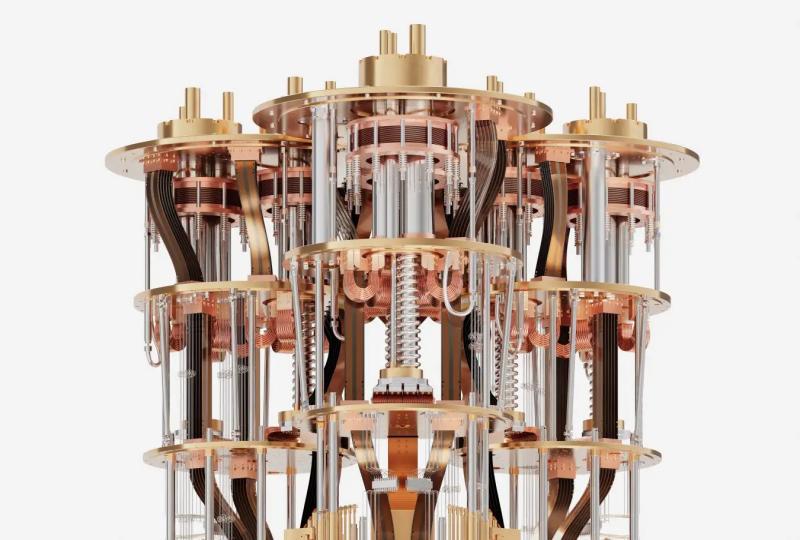
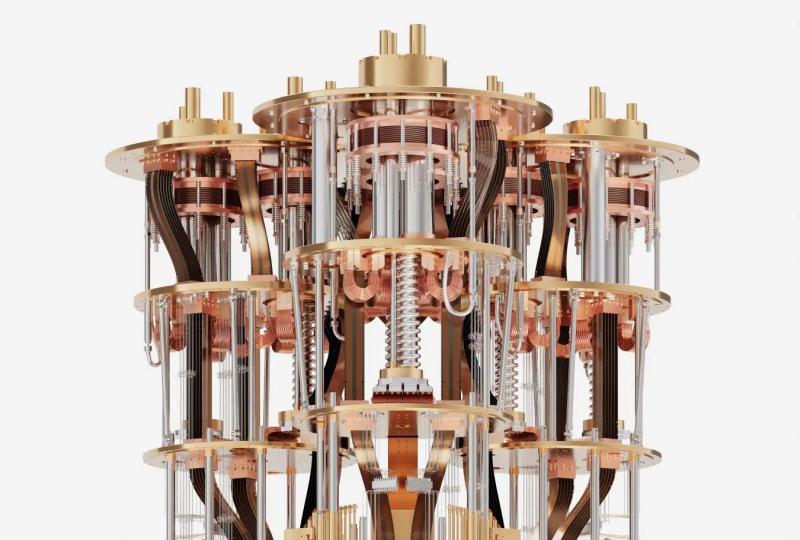
A complete quantum computer isn’t just a QPU—it requires cryogenics, control electronics, software, and EDA tools. 2026 systems like SpinQ SQC integrate:
-
SPINQ QPU superconducting chips
-
Milli‑Kelvin cryogenic dilution refrigeration
-
SPINQ QCM quantum control and measurement modules
-
Native operating system and SpinQit programming framework
-
Full QPU EDA for chip design and validation
This integration removes integration risk and speeds deployment.
4.Industrial Quality & Cost Efficiency
In 2026, in‑house chip production and standardized manufacturing drive down costs while boosting reliability. Vendors with internal fabrication lines deliver consistent, high‑yield qubits and better total cost of ownership (TCO). This makes superconducting systems accessible for research labs, tech enterprises, and industry consortia.
If your goal is to buy a quantum computer for scalable, real‑world use, superconducting architecture remains the industry’s top choice in 2026.
Key Performance Metrics to Check Before You Buy
To avoid overpaying or underperforming, evaluate these core specs when you compare systems:
Qubit Coherence Time
Longer coherence means qubits maintain quantum entanglement and quantum state longer, supporting larger circuits and more accurate computation. Look for systems optimized to extend coherence under real operating conditions.
Gate Fidelity & Speed
High gate fidelity ensures reliable quantum operations; fast gates support more steps per second. Together, they define usable computational power—not just raw qubit count.
CLOPS (Circuit Layer Operations Per Second)
CLOPS measures real throughput. Higher CLOPS means faster time‑to‑solution for practical algorithms.
Support for Quantum Entanglement
Quantum entanglement is what gives quantum computers their exponential power. Verify the system supports stable multi‑qubit entanglement for algorithm execution.
Full‑Stack Software Compatibility
Your hardware needs a usable development environment. Check support for popular quantum programming languages, algorithm libraries, and hybrid classical‑quantum workflows.
What You’re Actually Buying: Full System Components
Many first-time buyers underestimate what’s included in a quantum computer. A turnkey 2026 superconducting system includes:
-
Superconducting QPU Chips – The core quantum processor
-
Milli‑Kelvin Cryogenic System – Dilution refrigerator maintaining near‑absolute‑zero temperature
-
Quantum Control & Measurement (QCM) Electronics – Precision microwave and signal control
-
Integrated Software Stack – OS, compilers, visualization, and algorithm tools
-
Lifecycle Services – Consultation, installation, maintenance, and upgrades
Vendors like SpinQ provide end‑to‑end support so your team focuses on research and applications, not system maintenance.
2026 Pricing & Total Cost of Ownership
Quantum computer pricing varies widely based on qubit count, performance, cooling infrastructure, and support. In 2026:
-
Entry research systems start from tens of thousands of dollars
-
Mid‑range superconducting platforms range from hundreds of thousands to millions
-
Large enterprise on‑premises systems can reach multi‑million‑dollar investments
But upfront price is only part of TCO. Factor in:
-
Cryogenic system operation and maintenance
-
Annual service and calibration
-
Software updates and developer training
-
Hardware upgrades as quantum tech advances
Real‑World Applications for Your 2026 Quantum Computer
Once you buy a quantum computer, you can immediately deploy it across high‑impact industries:
Quantum Finance
Optimize portfolios, manage risk, detect fraud, and build predictive models. Quantum parallelism accelerates complex financial calculations beyond classical limits.
Quantum Chemistry & Biomedicine
Simulate molecular interactions, speed drug discovery, model disease pathways, and analyze genetic data. Quantum computing cuts years from traditional R&D cycles.
Logistics & Supply Chain
Solve complex routing, scheduling, and resource allocation problems. Quantum optimization improves efficiency, reduces delays, and lowers costs for large networks.
Manufacturing & Component Design
Use quantum search algorithms to select optimal components under constraints, improving product design and production efficiency.
AI & Quantum Machine Learning
Accelerate neural network training, boost pattern recognition, enhance NLP, and power next‑gen recommendation systems. Quantum parallelism supercharges classical AI pipelines.
These applications are no longer theoretical—they’re running on superconducting systems deployed worldwide in 2026.
How to Buy a Quantum Computer in 2026: Step‑by‑Step
Follow this roadmap to purchase confidently:
-
Define Your Use CaseAlign hardware to your workload: research, education, enterprise optimization, or drug development.
-
Choose Superconducting for Scalability & PerformanceFor most buyers, superconducting delivers the best balance of speed, fidelity, and ecosystem support.
-
Verify Quantum Entanglement & Coherence PerformanceInsist on measurable specs for entanglement stability, coherence time, and gate fidelity.
-
Evaluate Full‑Stack IntegrationEnsure QPU, cryogenics, control electronics, and software work seamlessly together.
-
Assess Long‑Term SupportLook for consultation, installation, training, and lifelong maintenance.
-
Partner with an Experienced VendorSelect a provider with proven chips, manufacturing, and global customer experience.
Why SpinQ SQC Is the Smart Choice to Buy a Quantum Computer in 2026
If you’re ready to buy a quantum computer in 2026, SpinQ SQC offers a complete superconducting solution built for real results.
SpinQ SQC advantages:
-
Extended qubit lifetime and high‑fidelity gates supporting quantum entanglement
-
Ultra‑fast gate operation for high CLOPS and real algorithm performance
-
Fully integrated stack: chips, cryogenics, control system, OS, and SpinQit framework
-
In‑house production ensuring quality, scalability, and cost efficiency
-
Full service: pre‑sales consultation, installation, and lifelong maintenance
-
Proven applications in finance, chemistry, logistics, medicine, manufacturing, and AI
Designed for scientific research, commercial deployment, and industrial innovation, SpinQ SQC lets you leverage quantum computing’s full potential in 2026 and beyond.
Final Thoughts: Buy a Quantum Computer in 2026 with Confidence
2026 is the year organizations stop experimenting with quantum computing and start owning it. When you buy a quantum computer this year, you gain a transformative tool for innovation, efficiency, and competitive leadership.
Focus on superconducting architecture, prioritize coherence and fidelity, verify strong quantum entanglement performance, and choose a full‑service vendor. With the right system, you’ll solve problems classical computers cannot, accelerate breakthrough R&D, and build capabilities that define your industry’s future.
Ready to take the next step? Explore SpinQ’s superconducting quantum computer solutions and start your quantum journey in 2026.
Featured Content