
Quantum Computing Price: A Complete Guide to Costs, Basics, and How to Choose
2026.03.26 · Blog quantum computing price
In the era of technological breakthroughs, quantum computing has moved from theoretical physics labs to commercial pilots and enterprise use cases—but one question remains top of mind for researchers, businesses, and investors alike: How much does a quantum computer cost? The answer isn’t straightforward, as quantum computing prices vary dramatically based on hardware, performance, use cases, and deployment models. Before diving into the financials, let’s start with the basics: what a quantum computer is, how it differs from classical computers, and why its price tag is unlike anything in traditional tech.
What Is a Quantum Computer? The Basics You Need to Know
A quantum computer is a specialized device that leverages the principles of quantum mechanics—superposition, entanglement, interference, and decoherence—to process information in ways classical computers cannot. Unlike classical computers, which use bits (limited to 0 or 1) to store and process data, quantum computers use qubits (quantum bits) that can exist in a superposition of both 0 and 1 simultaneously. This unique capability allows quantum computers to handle complex calculations exponentially faster than even the most powerful supercomputers, especially for tasks like molecular simulation, climate modeling, financial risk assessment, and cryptography.
To put it simply: Classical computers solve problems by testing one path at a time (like navigating a maze on foot), while quantum computers can “explore” all possible paths simultaneously (like viewing the maze from above). This makes them ideal for tackling problems that are too complex or time-consuming for classical systems—from drug discovery and material science to AI model training and logistics optimization.
Today’s quantum computers are still in the early stages of commercialization, with most systems falling into two categories: research-grade prototypes (used by universities and labs) and enterprise-grade systems (deployed by large corporations and government agencies). The price of a quantum computer depends heavily on which category it falls into, along with a range of technical and operational factors.
Quantum Computing Price: Key Factors That Determine Cost
Quantum computing is not a “one-size-fits-all” technology, and its price reflects that. Unlike classical computers—where you can buy a laptop for $1,000 or a server for $10,000—quantum computers range from tens of thousands to hundreds of millions of dollars. Below are the most critical factors that influence quantum computing prices, helping you understand why costs vary so widely.
1. Qubit Count and Quality
Qubits are the building blocks of quantum computers, and their count and quality are the single biggest drivers of price. More qubits mean more computational power—but not all qubits are created equal. Two key metrics define qubit quality: fidelity (how accurately a qubit can perform operations) and coherence time (how long a qubit can maintain its quantum state before decohering, or “losing” its information).
- Low-qubit systems (1–50 qubits): These are often education-grade or entry-level research systems, such as SpinQ’s NMR quantum computers, with prices ranging from $28,000 to $280,000. They’re ideal for academic research, quantum education, and early-stage prototyping but lack the power for complex enterprise tasks.
- Mid-range systems (50–500 qubits): Used for specialized research and small-scale commercial pilots, these systems (e.g., IonQ’s trapped ion quantum computers) cost between $1.5 million and $15 million. They offer higher fidelity and coherence times than low-qubit systems, making them suitable for tasks like small-molecule simulation and basic financial modeling.
- High-qubit systems (500+ qubits): These are enterprise-grade systems (e.g., IBM’s superconducting quantum computers or Google’s Sycamore) with prices ranging from $10 million to $50 million or more. A 1,000-qubit superconducting system, for example, can cost upwards of $20 million, with additional costs for cooling and control infrastructure.
Qubit type also impacts cost: Superconducting qubits (used by IBM and Google) require ultra-low temperatures, driving up hardware costs, while trapped ion qubits (used by IonQ) have higher fidelity but require expensive laser systems, with single qubits costing up to $5,000 each.
2. Hardware Infrastructure: The “Hidden” Costs of Quantum Computing
A quantum computer is more than just qubits—it requires specialized infrastructure to operate, and these costs often add up to more than the qubits themselves. The most significant infrastructure expenses include:
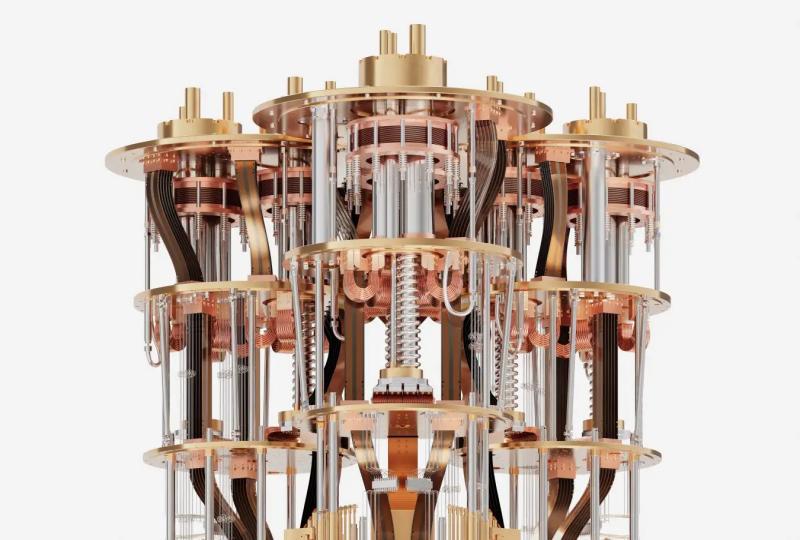
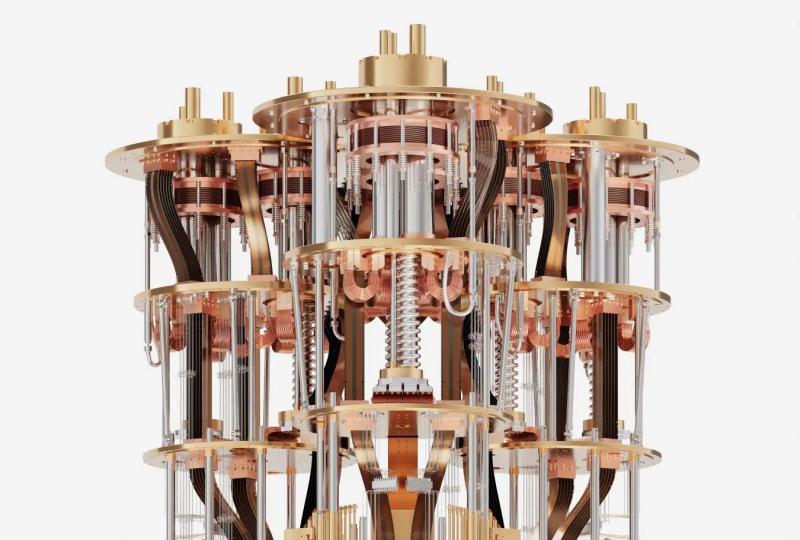
- Dilution Refrigerators: Superconducting qubits need to operate at temperatures near absolute zero (-273°C), which requires a dilution refrigerator. A high-end dilution refrigerator (like IBM’s “Golden Eye”) can cost $500,000 to $800,000, with annual energy costs exceeding $100,000.
- Control Systems: Qubits require precise microwave and laser control systems to manipulate their quantum states. A 100-qubit system’s control infrastructure can cost $1 million to $3 million, with larger systems requiring even more investment—for example, a 10,000-qubit system may need 500 kilometers of microwave wiring, costing over $500,000 alone.
- Shielding and Lab Space: Quantum systems are extremely sensitive to environmental noise (e.g., electromagnetic interference), so they require shielded lab spaces and ultra-clean rooms. Building a dedicated quantum lab can add $500,000 to $2 million to the total cost, with annual maintenance fees of $50,000 or more.
3. Software, Algorithms, and Maintenance
Quantum computing costs don’t end with hardware—software and ongoing maintenance are critical (and often overlooked) expenses:
- Quantum Software: Unlike classical software, quantum algorithms are designed specifically for qubits and require specialized tools for development and optimization. Custom quantum algorithm development can cost $200,000 to $1 million, depending on the complexity of the task (e.g., drug discovery algorithms may cost more than basic optimization tools).
- Maintenance and Upgrades: Quantum systems require regular maintenance, including replacing cooling components, calibrating qubits, and updating control software. Annual maintenance costs can range from 10% to 20% of the initial hardware cost—for a $10 million system, that’s $1 million to $2 million per year.
- Expertise: Quantum computing requires highly trained physicists, engineers, and data scientists to operate and maintain. Hiring a team of quantum experts can add $500,000 to $1 million annually to operational costs, as these roles are in high demand and command premium salaries.
4. Deployment Model: Buying vs. Cloud Access
Not every organization needs to buy a quantum computer outright—cloud access has emerged as a more affordable alternative, especially for small businesses and research teams:
- Cloud Quantum Computing: Costs range from $10 to $1,000 per hour, depending on qubit count and usage. For example, running a small experiment on a 50-qubit system might cost $50–$200 per hour, while enterprise-level cloud contracts can cost $100,000 to $1 million annually.
- Outright Purchase: Buying a quantum computer is only feasible for large organizations with significant resources. As noted earlier, prices range from $28,000 (entry-level) to $50 million+ (enterprise-grade), with additional infrastructure and maintenance costs. Most organizations opt for cloud access or partnerships with quantum vendors to avoid upfront capital expenses.
5. Use Case and Industry
The intended use case also impacts quantum computing prices. For example:
- Academic/Research: Universities and labs often qualify for discounted rates on research-grade systems, with prices ranging from $50,000 to $5 million. Government grants can further offset these costs.
- Enterprise: Industries like pharmaceuticals, finance, and aerospace require high-performance quantum systems for complex tasks (e.g., drug discovery, portfolio optimization, climate modeling). These systems cost $10 million to $50 million+ and often include custom software and support packages.
- Education: Entry-level quantum systems (e.g., SpinQ’s education-grade models) are designed for classrooms and training, making quantum education more accessible.
How to Choose a Quantum Computer
With so many variables affecting quantum computing prices, it’s critical to align your purchase or cloud subscription with your organization’s goals. Here’s a step-by-step guide to choosing the right quantum system for your budget:
Step 1: Define Your Use Case
Start by identifying what you want to accomplish with quantum computing. Are you conducting academic research? Developing a quantum algorithm? Optimizing a business process? Your use case will determine the required qubit count, fidelity, and infrastructure. For example, if you’re simulating small molecules for drug discovery, a 100–200 qubit system with high fidelity may be sufficient. If you’re working on large-scale climate modeling, you’ll need a high-qubit system (500+ qubits) or enterprise cloud access.
Step 2: Evaluate Your Budget
Be realistic about your budget—including upfront costs, ongoing maintenance, and expertise. Small organizations and academic teams may benefit from cloud access or entry-level research systems, while large enterprises can invest in on-premises systems. Remember: The cheapest quantum computer isn’t always the best choice—opting for a lower-quality system may limit your ability to scale or achieve your goals.
Step 3: Compare Qubit Types and Vendors
Different qubit types (superconducting, trapped ion, photonic) have different costs and performance characteristics. Superconducting qubits are faster but require expensive cooling, while trapped ion qubits have higher fidelity but are slower and require laser systems. Compare vendors to find the best balance of price and performance for your needs.
Step 4: Consider Long-Term Scalability
Quantum computing technology is evolving rapidly—today’s 100-qubit system may be obsolete in 5 years. Choose a system or cloud provider that offers scalability, whether through hardware upgrades, software updates, or flexible subscription plans. This will help you avoid wasting money on a system that can’t grow with your needs as quantum technology advances.
Step 5: Factor in Hidden Costs
Don’t forget to account for infrastructure, maintenance, software, and expertise costs. For on-premises systems, these hidden costs can add 50%–100% to the initial hardware price. For cloud access, make sure to understand the pricing structure (per hour, per experiment, annual contracts) to avoid unexpected fees.
The Future of Quantum Computing Prices
While quantum computing is expensive today, prices are expected to drop as technology advances and adoption grows. Here’s what to expect in the coming years:
- Scaled Production: As quantum chip manufacturing becomes more efficient, qubit costs will decrease. Experts predict that by 2030, enterprise-grade quantum systems could cost 90% less than they do today, making them more accessible to mid-sized organizations.
- Improved Technology: New qubit types (e.g., neutral atoms) are emerging that are cheaper to produce and require less infrastructure, further driving down costs. Neutral atom qubits, for example, have lower hardware costs than superconducting qubits, reducing overall system prices by up to 40%.
- Wider Cloud Adoption: As cloud providers scale their quantum infrastructure, pay-as-you-go prices will become more competitive, making quantum computing accessible to even small businesses and startups. Free access tiers for education and small research projects will also expand, lowering the barrier to entry.
Final Thoughts: Is Quantum Computing Worth the Cost?
For organizations looking to solve complex problems that classical computers can’t handle, quantum computing is an investment worth making. While the upfront costs are high, the potential benefits—faster drug discovery, more efficient logistics, stronger cryptography, and breakthroughs in material science—far outweigh the expenses for many industries. For others, cloud access offers a low-risk way to experiment with quantum technology without the upfront investment.
The key to navigating quantum computing prices is to align your investment with your goals, understand the hidden costs, and choose a solution that scales with your needs. As quantum technology matures, it will become more affordable and accessible—but the organizations that start exploring it today will be ahead of the curve when it becomes a mainstream tool.
If you’re ready to explore quantum computing options for your organization, reach out to our team to learn how we can help you find a solution that fits your budget and goals.
Featured Content