
Inside a Quantum Computer: Parts and Principles
2026.04.10 · Blog quantum computer
What Makes a Computer “Quantum”
A quantum computer is any computing device that exploits quantum phenomena such as superposition and entanglement in an essential way. It still has inputs, outputs, memory, and processors, but its internal information units are qubits instead of bits. This change in the basic data unit leads to a completely different style of computation.
The Quantum Processing Unit (QPU)
The Quantum Processing Unit, or quantum chip, is the core where qubits reside and quantum logic gates run. In many platforms, the chip is housed in a cryogenic environment so that delicate qubit states can be maintained with minimal noise. The number, connectivity, and quality of qubits on this chip largely determine the machine’s capability.
Qubits and Quantum Gates
Qubits can be implemented using different physical systems, such as superconducting circuits, trapped ions, or spins in semiconductors. Quantum gates manipulate these qubits by rotating their states or entangling them, similar in spirit to how logic gates act on bits. A quantum algorithm is essentially a carefully designed sequence of these gates, executed on the QPU.
Control Electronics and Classical Computers
Outside the cryostat, classical control electronics generate microwave pulses, lasers, or other signals to drive qubit operations. Classical computers coordinate experiments, compile quantum circuits, and process the measurement results returned from the QPU. Quantum computing is therefore a hybrid process where quantum and classical hardware work together.
What Does a Quantum Computer Look Like?
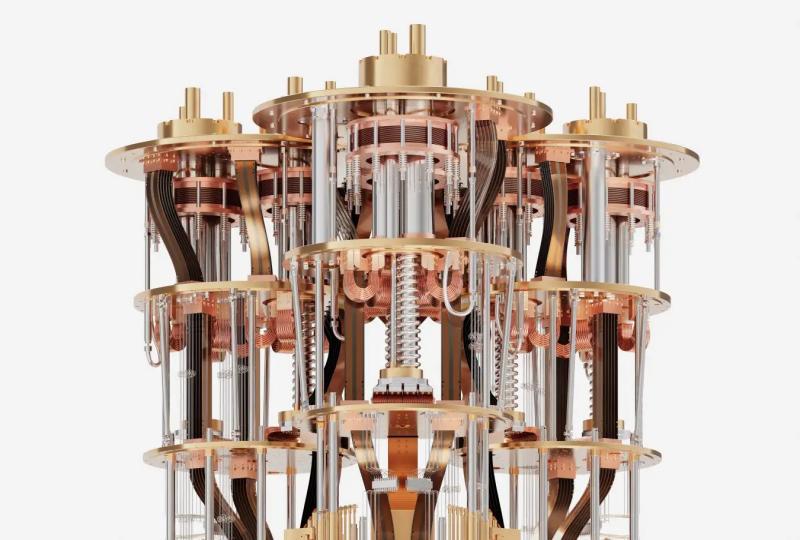
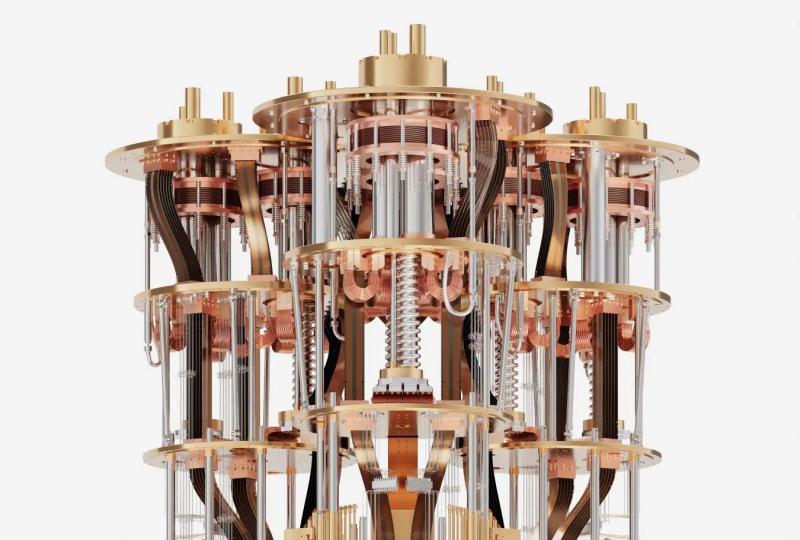
Visually, many quantum systems resemble a tall, golden chandelier or a complex cabinet of racks and cables rather than a sleek laptop. The chandelier‑like structure usually houses the cryogenic stages that cool the quantum chip close to absolute zero. Other designs look more like compact enclosures, emphasizing plug‑and‑play usability for labs and classrooms.
Where You Can Access Quantum Computers Today
You do not need to own a physical quantum computer to start experimenting with quantum code. Major vendors and specialized startups provide cloud access to real quantum devices and high‑quality simulators through software development kits. This makes it practical for businesses, students, and researchers to explore quantum computing without major hardware investments.
Featured Content