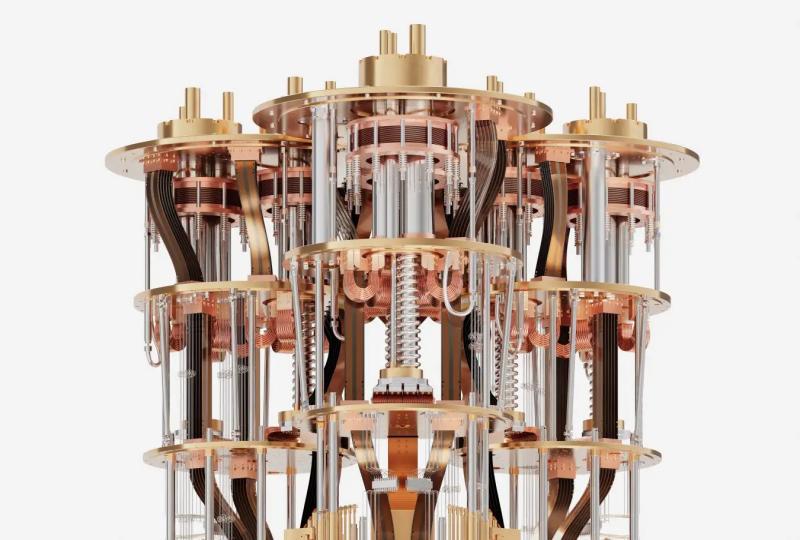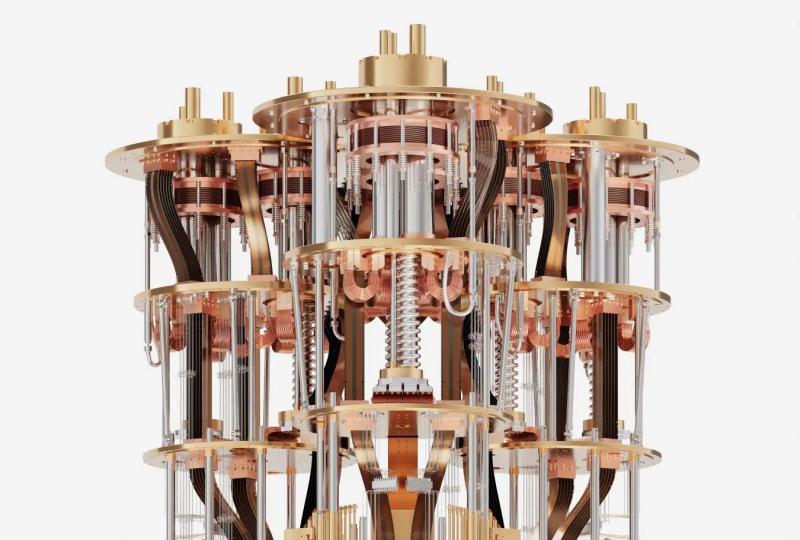

AI Superconducting Quantum Computing System for Real Workloads
2026.07.29 · Blog for AI Superconducting Quantum Computing System
Why AI and Superconducting Quantum Computing Belong Together
AI and superconducting quantum computing are often discussed as separate technologies, but they are increasingly being considered together because they solve different parts of the same problem. AI systems are strong at pattern recognition, prediction, and optimization across large data sets. Superconducting quantum systems, on the other hand, are being explored for problems that are difficult for classical machines, especially in simulation, combinatorial optimization, and complex search spaces.
When these two worlds meet, the result is not a replacement model. It is a hybrid approach. AI can help manage data, automate workflows, and improve system tuning, while quantum hardware can be used as an experimental accelerator for selected tasks. That combination is exactly why many labs and companies are now asking how to build an AI superconducting quantum computing system that is practical rather than theoretical.
At SPINQ, we see this trend as a natural next step in quantum development. The focus is no longer only on building a machine that can operate. It is on building a machine that can fit into AI-driven workflows and support real users with real workloads.
What an AI Quantum System Actually Needs
A useful AI superconducting quantum computing system is more than a chip and a dashboard. It needs control software, data handling, experiment scheduling, calibration routines, and enough stability to support repeated use. If the system is too fragile, it becomes difficult to integrate into an AI pipeline. If it is too isolated, it becomes just another lab instrument instead of part of a larger workflow.
AI projects also tend to move quickly. Teams want to test, compare, retrain, and iterate. That means the quantum system has to support a similar pace of use. It should be easy to launch experiments, collect output, and move on to the next test without a long manual process every time.
This is where superconducting systems have an advantage. They are already built around digital control, software orchestration, and precision measurement. That makes them easier to connect with AI workflows than many people expect. In practice, the challenge is less about whether the technologies are compatible and more about whether the system architecture has been designed with integration in mind.
Where Quantum Can Support AI Work
There are several areas where a superconducting quantum system may be useful in an AI environment. One is optimization. Many AI pipelines involve selecting the best parameters, allocating resources, or searching across many possibilities. Quantum approaches may help in some of those spaces, especially when the search space becomes large and difficult to handle classically.
Another area is simulation. AI teams working in materials, chemistry, or drug discovery often need better ways to model complex behavior. Superconducting quantum systems can support this kind of exploration, especially when the goal is to test a hypothesis or compare different structures in a controlled way.
A third area is workflow experimentation. Even when the quantum system is not solving the main AI problem directly, it can still help with hybrid experimentation. Teams may use quantum hardware for a small step in a larger AI pipeline, then feed the results back into classical compute systems. That kind of loop is becoming more common as organizations look for practical ways to combine the two fields.
The Importance of System Stability
For AI users, stability matters as much as novelty. A quantum system that looks impressive once but behaves inconsistently will not support a serious workflow. AI teams need repeatable output, predictable operation, and tools that allow them to monitor performance over time.
Superconducting quantum computing systems are especially sensitive to this issue because they depend on precise control and carefully managed operating conditions. That is why system design and deployment are so important. The chip itself may be capable of advanced behavior, but the value is only realized when the whole system remains stable enough to be used repeatedly.
SPINQ’s approach emphasizes full-stack consistency. The idea is that the quantum chip, measurement system, and supporting environment should work together cleanly enough for AI teams to focus on experiments rather than constant troubleshooting. That matters a great deal in practical settings where time and staff resources are limited.
Why Hybrid Workflows Make Sense
Most AI teams will not use a superconducting quantum system as a stand-alone machine. They will use it as part of a hybrid workflow. That means classical compute still handles data preparation, training, post-processing, and most large-scale operations. The quantum system steps in where it may add value, usually in a targeted part of the process.
This hybrid model is attractive because it is realistic. It does not assume quantum will take over everything. Instead, it treats the quantum system as a specialized accelerator that can work alongside the tools teams already know. That lowers adoption barriers and makes it easier to justify a quantum investment.
For SPINQ, this is an important design principle. An AI superconducting quantum computing system should connect naturally to the tools people already use. If the integration is too complicated, the system will stay on the shelf. If the integration is smooth, it becomes part of the team’s normal workflow.
How to Choose the Right Solution
Organizations evaluating an AI superconducting quantum computing system should ask practical questions. How easy is the system to operate every day? How well does it integrate with existing data pipelines? Can it support repeated experiments without heavy manual intervention? Does the vendor provide enough support to help the team move from testing to routine use?
They should also think about the skill level of their team. Some groups have scientists who understand quantum hardware, while others are more software- and data-focused. A good system should bridge that gap instead of assuming everyone has the same background. Clear interfaces, reliable documentation, and manageable calibration routines all matter.
That is why full-stack offerings are often more useful than isolated components. If the vendor can support the chip, control system, and deployment together, the buyer has a much easier path from installation to actual use. This is especially important for AI organizations that want to explore quantum without building a separate infrastructure team from scratch.
The Role of SPINQ
SPINQ’s position in this space is straightforward: provide superconducting quantum systems that can actually fit into modern research and AI environments. The goal is not to oversell what quantum can do today. The goal is to make sure organizations have a serious platform they can explore, test, and build around.
For AI teams, that means looking for a system that is stable, integrated, and suitable for iterative work. For research labs, it means having a machine that can support both experimentation and long-term development. For institutions building future-facing capabilities, it means choosing hardware that can grow with the program instead of becoming obsolete after the first round of testing.
An AI superconducting quantum computing system is most valuable when it feels like part of the team’s toolchain, not a separate science project. That is the standard SPINQ is working toward.
A Practical Next Step
The best way to approach an AI superconducting quantum computing system is to start small and stay concrete. Define one or two use cases. Decide what role the system should play in your workflow. Then look for hardware and support that can match that plan without adding unnecessary complexity.
If the goal is to explore, test, and gradually build quantum capability around AI workloads, superconducting systems are a strong place to start. They offer the control, flexibility, and integration potential that practical teams need. With SPINQ, the focus is on making that path clearer and more usable, so AI and quantum can start working together in a real environment rather than just on paper.

Featured Content